Who Is Lionel Messi?
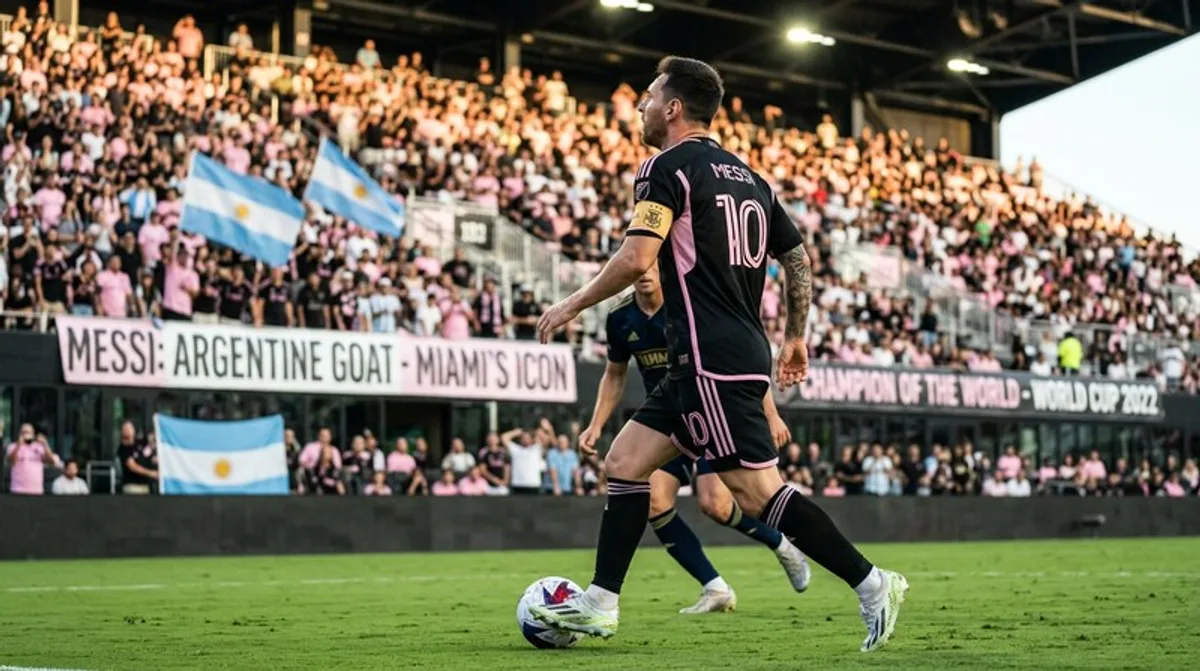
Lionel Andrés Messi Cuccittini holds more Ballon d'Or awards than any player in football history — eight, as of 2023 — and is the only player to have won the award in four different decades. His 2022 FIFA World Cup victory with Argentina, coming at age 35 in what many expected to be his final tournament opportunity, completed the one credential that his career had lacked and resolved the primary remaining argument in the GOAT debate on terms that his own individual statistical achievements could not. With 500 million Instagram followers, he is the second most-followed person on the platform behind Cristiano Ronaldo, and the commercial parallel between the two — sustained over twenty years by a rivalry that is simultaneously genuine and commercially amplified — is the defining case study in how sporting achievement converts to social media audience at scale.[1]
Latest videos · Open channel ↗
His move to Inter Miami CF in 2023 fundamentally altered the commercial trajectory of Major League Soccer: MLS Apple TV subscriptions surged 100% in the week of his announcement, Inter Miami's Instagram following grew from 900,000 to over 16 million within days, and the club's sponsor valuations increased by multiples. A single signing decision by one athlete demonstrated a commercial leverage that no league marketing campaign had previously achieved.
La Masia & the Barcelona Career
Lionel Andrés Messi Cuccittini was born on June 24, 1987, in Rosario, Argentina. He was diagnosed with growth hormone deficiency at age 10; his family could not afford the $1,500 monthly treatment. FC Barcelona's director of football Carles Rexach, watching an 11-year-old Messi train at La Masia after arrangements made by the club's Argentine scout, signed him on a paper napkin — a contract informal enough to be framed as a relic but legally binding enough to have been enforced. Barcelona paid for his treatment. He moved to Catalonia at 13 and never played senior football anywhere else until the PSG transfer in 2021.[2]
His Barcelona career (2004–2021) produced records that the history of football had not seen concentrated in a single player: 672 goals in 778 appearances (the all-time record for a single club), six Ballon d'Or awards in the Barcelona years, 10 La Liga titles, four Champions League titles, and three La Liga top-scorer records simultaneously. The statistical output was so consistent for so long that it periodically ceased to generate news — a remarkable position for a footballer to occupy.
World Cup 2022 & the Complete Legacy
Argentina's 2022 FIFA World Cup victory in Qatar — won on penalties against France in one of the highest-quality finals in tournament history — completed the one part of Messi's résumé that critics had cited as the primary distinction between him and the absolute apex of footballing greatness. He was named Player of the Tournament and Golden Boot joint winner. The narrative arc of his international career — Copa América defeat (2007, 2015, 2016), World Cup finals defeat (2014), Copa América victory (2021), World Cup victory (2022) — has been covered with the structure of a literary redemption story, which is an unusual framework for sports journalism and reflects the cultural weight attached to his career's trajectory.[3]
Career Timeline
Brand Portfolio & Adidas Lifetime Deal
Messi's commercial relationship with Adidas — which pre-dates his international stardom, as the brand equipped him during his formative Barcelona years — is a lifetime deal estimated at over $500 million in total value across its term, making it one of the most significant athlete-brand contracts in history alongside Ronaldo's Nike lifetime deal. The parallel between the two athletes' lifetime deals with rival brands (Adidas vs. Nike) is not coincidental: it reflects both brands' assessment that the Messi/Ronaldo era has been the defining commercial moment in football history and that lifetime deals lock in association with that legacy regardless of playing career duration.[4]
His brand portfolio includes Pepsi (2003–2014), Lay's, Ooredoo, Jacob & Co, Gatorade, and Hard Rock International. The Lay's campaign featuring him alongside Ronaldo — both endorsing competing cola brands — generated a category of sports marketing content specifically because of the audience expectation that they would never appear in the same commercial frame.
Brand Deals & The Rivalry Commercial Engine
Messi's estimated Instagram post rate is $1.5–$2.5 million per placement — slightly below Ronaldo's rate premium despite a comparable follower count, reflecting the relative posting frequency difference between the two (Ronaldo posts more, generating more data points for rate negotiations). His total estimated social media earnings across platforms have been documented at approximately $120–$140 million annually in peak years. For context on how elite athlete rates at this tier compare across platforms, see our celebrity pricing breakdown and influencer pricing guide.
The commercial principle his career demonstrates is that sporting achievement and social media reach are reinforcing but not identical: he reached 100M Instagram followers slower than Ronaldo did, because Ronaldo invested in social media content strategy more deliberately earlier, but both eventually converged at comparable scales because their sporting achievements provided the underlying audience demand. How that distinction affects brand deal structure is a useful lens for understanding how sport celebrity differs from entertainment celebrity at the platform level.
Related Creators
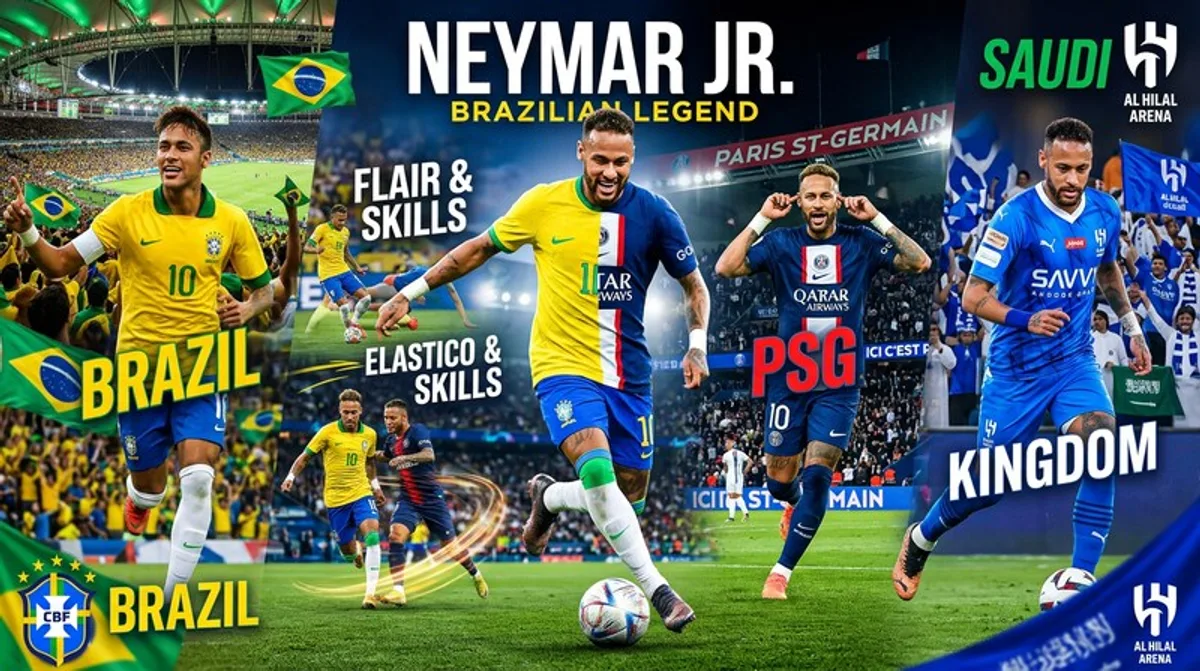
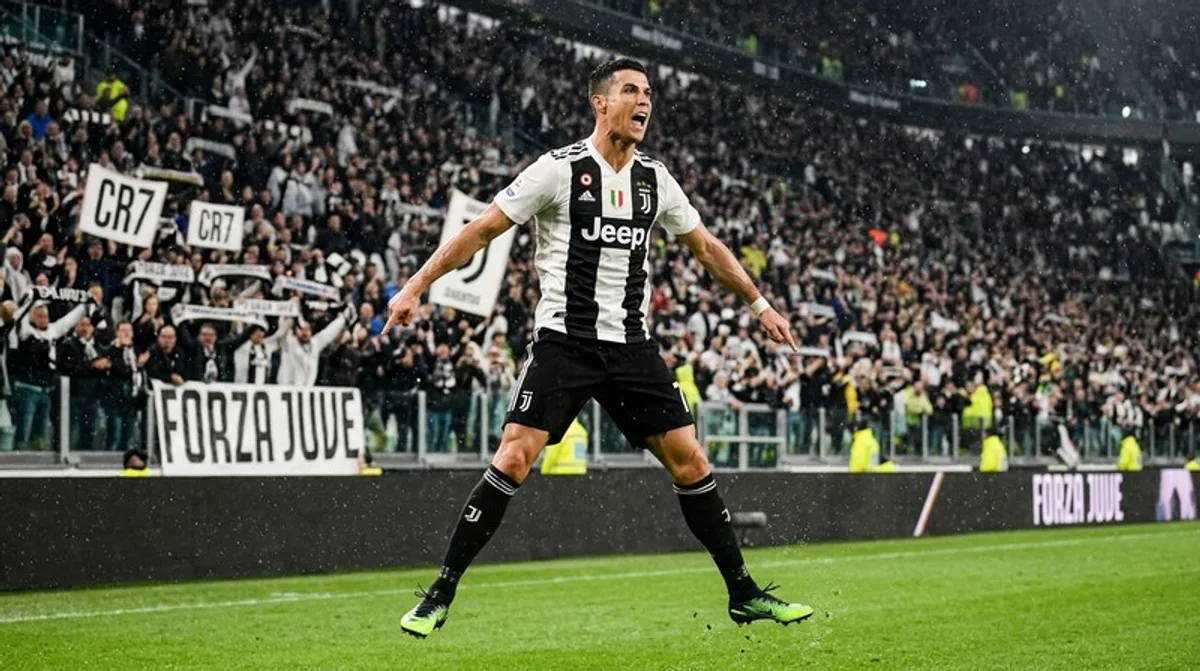
Cristiano Ronaldo is the only direct comparison that matters — the rivalry is the defining commercial story in modern football, and no analysis of Messi's brand value is complete without its context. The GOAT debate is not a question that resolves cleanly, which is precisely what sustains its commercial utility: both athletes benefit commercially from an argument that has no definitive answer. Neymar Jr was Messi's attacking partner at Barcelona from 2013–2017, the player chosen to inherit the post-Messi era at the club, and has since followed him to PSG — the commercial relationship between their careers is unusually intertwined for two athletes at the top of the same sport. Kylian Mbappé is the successor generation — the player who scored in the 2022 World Cup Final against Messi and is positioned as the figure most likely to dominate the next decade of the sport's commercial value.
Sources
- 1 Forbes — Lionel Messi: The World's Most Followed Athlete (2023)
- 2 FourFourTwo — The Napkin Contract: How Messi Joined Barcelona (2018)
- 3 FIFA — 2022 World Cup Golden Ball Award: Lionel Messi (2022)
- 4 Business of Fashion — Adidas vs. Nike: The Messi-Ronaldo Lifetime Deal Race (2021)
Platform Statistics
Channel Growth History
| Year | YouTube Subscribers | Monthly Views | Est. Annual Earnings |
|---|---|---|---|
| 2024 | 0 | 0 | — |
| 2021 | 0 | 0 | — |
| 2018 | 0 | 0 | — |
| 2015 | 0 | 0 | — |
Data sourced from Social Blade & public estimates. Updated annually.
Estimated Sponsorship Rates
Market estimates — actual rates vary by deal structure & exclusivity
Brand Deals & Sponsorships
| Brand | Year | Deal Type | Source |
|---|
Frequently Asked Questions
Lionel Messi's real name is Lionel Andrés Messi Cuccittini.
Lionel Messi was born on June 24, 1987, and is 39 years old as of 2026.
Lionel Messi's net worth is estimated at $600 million, based on platform ad revenue, brand partnerships, merchandise, and business ventures. This is an estimate — exact figures are not publicly disclosed.
Lionel Messi is Argentine, born in Rosario, Santa Fe.
Lionel Messi — Official Social Media & Links
All accounts below are the verified official profiles for Lionel Messi. Follower counts are approximate and updated periodically.
Sponsorship Rates & Booking
- Instagram: 500M followers
- Twitter: 12M followers
- Facebook: 110M followers