Vitamins and mineral supplements represent one of the most competitive categories in influencer marketing. The wellness creator market is saturated with vitamin deals, audiences have grown sophisticated about supplement recommendations, and regulatory constraints on what can and cannot be claimed limit how brands can differentiate. Despite these challenges — or perhaps because of them — vitamin brands that build smart influencer programs with authentic creator partners consistently outperform brands relying on paid search and traditional advertising alone. This guide covers how the vitamin creator ecosystem works, what rates look like across tiers, the regulatory framework that governs vitamin content, and how to structure deals that drive sustainable growth.
The Vitamin Creator Ecosystem

Vitamin brands have access to a broader creator pool than most supplement categories because the audience for basic vitamins overlaps with general wellness, lifestyle, and health content rather than being confined to fitness-specific creators.
Related: Influencer Marketing for Supplement Brands: Complete Guide to Rates, Compliance, and Strategy, Influencer Marketing for Weight Loss Brands: Rates, Compliance, and Ethical Guidelines
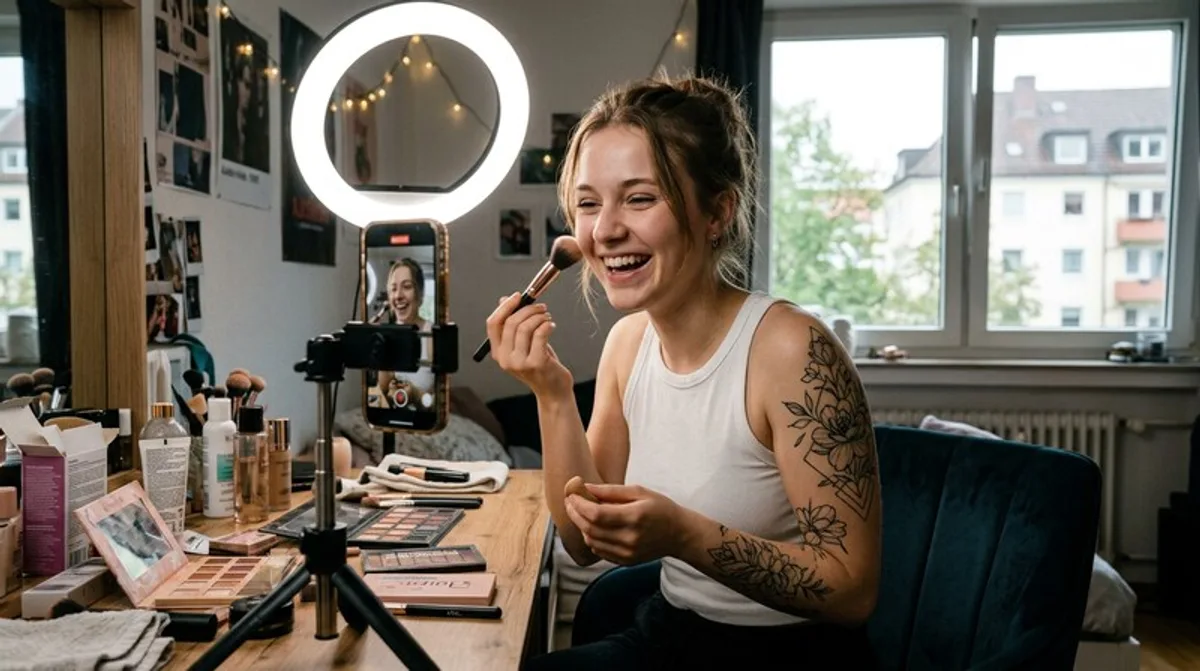
Wellness lifestyle creators are the largest and most versatile category for vitamin brands. These creators cover topics like morning routines, healthy habits, sleep optimization, stress management, and general self-care. Vitamins fit naturally into this content — a daily multivitamin, vitamin D, or B-complex supplement is a natural component of a wellness morning routine feature. The audiences are broadly health-conscious but not necessarily fitness-focused, which matches the general consumer profile for vitamin products.
Nutrition coaches — both credentialed (registered dietitian, certified nutritionist) and non-credentialed — carry significant authority for vitamin recommendations. A registered dietitian explaining why vitamin D supplementation is appropriate for people in northern latitudes, or why a prenatal vitamin matters for folic acid intake, creates content that is both genuinely useful and highly persuasive. Credentialed nutrition professionals command a 2–4x rate premium over general wellness creators.
General health influencers cover a wide range of health topics including sleep, immunity, energy, mental clarity, and longevity. These creators have audiences actively seeking health optimization products. Vitamin integration into their content is natural and low-friction for audiences who already trust the creator's health judgment.
Mommy bloggers and parenting creators are particularly valuable for children's vitamins, prenatal vitamins, and family supplement products. Parents researching nutrition for their children or managing their own prenatal health are active vitamin consumers, and recommendations from trusted parenting creators carry strong purchase influence.
Rate Table: Health and Wellness Creators by Tier and Platform
| Creator Tier | Followers | Instagram Post/Reel | TikTok Video | YouTube Integration | Blog / Newsletter |
|---|---|---|---|---|---|
| Nano | 1K–10K | $75–$200 | $60–$175 | $150–$400 | $50–$150 |
| Micro | 10K–100K | $300–$1,000 | $250–$900 | $800–$3,000 | $200–$700 |
| Mid-tier | 100K–500K | $1,000–$3,500 | $900–$3,000 | $3,000–$10,000 | $700–$3,000 |
| Macro | 500K–1M | $3,500–$9,000 | $3,000–$8,000 | $10,000–$25,000 | $3,000–$8,000 |
| Mega | 1M+ | $9,000–$35,000+ | $8,000–$30,000 | $25,000–$80,000+ | $8,000–$25,000 |
| RD / Credentialed (any tier) | Varies | 2–4x base rate | 2–4x base rate | 2–4x base rate | 2–4x base rate |
The free calculator can help you model costs across different creator tiers before deciding on your campaign budget allocation.
FDA Supplement Labeling Rules for Vitamins

Vitamins and mineral supplements are regulated by the FDA under the Dietary Supplement Health and Education Act of 1994. This regulatory framework determines what claims can legally be made in influencer content about vitamin products.
Permitted structure/function claims describe how a nutrient affects normal structure or function of the body. Examples of permitted claims include "vitamin D supports bone health," "vitamin C supports the normal function of the immune system," and "B vitamins support energy metabolism." These claims must be truthful and substantiated, but they do not require pre-approval by the FDA.
Prohibited disease claims are claims that a product can treat, prevent, cure, or mitigate a specific disease. "Vitamin D prevents osteoporosis" is a disease claim and is prohibited without FDA drug approval. "Vitamin C prevents colds" is similarly prohibited. The line between structure/function and disease claims can be subtle, and influencer content must be reviewed against this framework before publication.
Required disclaimer: Any supplement product making a structure/function claim must include on the product label the statement "This statement has not been evaluated by the Food and Drug Administration. This product is not intended to diagnose, treat, cure, or prevent any disease." Influencer content that repeats structure/function claims should include similar qualifying language.
FTC Requirements for Vitamin Sponsored Content
Beyond FDA rules governing the claims themselves, FTC rules govern the disclosure of the commercial relationship between the brand and the creator. All vitamin sponsored content must clearly disclose the commercial relationship — the creator received compensation (cash, free product, or both) in exchange for the content.
Key FTC requirements for vitamin influencer content include: the disclosure must appear at the beginning of the post or video, not at the end; the disclosure must be in plain language (not obscured by hashtags like #ad buried among 20 other hashtags); and the creator should not imply personal results attributable to the product unless those results are genuine, typical, and accompanied by appropriate disclaimers if they are not typical.
Endemic Vitamin Brand Categories and Creator Alignment
| Vitamin Category | Target Consumer | Best Creator Type | Typical Deal Structure |
|---|---|---|---|
| Daily multivitamin | Broad adult health-conscious consumer | Wellness lifestyle, morning routine | Monthly supply + fee, ambassador |
| Vitamin D | Northern climate residents, winter supplementers | General health, nutrition educator | Monthly supply + flat fee |
| B-vitamin complex | Energy-seekers, working adults | Productivity, wellness, work-life balance | Routine integration + fee |
| Prenatal vitamins | Pregnant and trying-to-conceive women | Pregnancy creators, mommy bloggers, OB-adjacent | Ambassador + affiliate 15–25% |
| Children's gummies | Parents with young children | Parenting creators, family lifestyle | Monthly supply + fee, affiliate |
| Vitamin C / immune support | Broad consumer, seasonal purchase | General health, wellness, family | Seasonal integration, flat fee |
Deal Structures for Vitamin Brand Influencer Campaigns
Monthly supply plus fee is the most common structure for vitamin campaigns. The creator receives a 30-day supply of the product alongside a cash fee. The ongoing product supply positions the vitamin as something the creator continues to use, which supports authentic integration into daily routine content over time.
Ambassador programs for daily supplement positioning work particularly well for vitamins because the product is inherently habitual. A daily multivitamin or vitamin D supplement is something the creator can authentically incorporate into their morning routine content repeatedly. Long-term ambassador agreements typically involve monthly product supply, a monthly retainer fee, and a commitment to a minimum number of organic mentions or featured posts per month.
Affiliate at 15–25% is appropriate for direct-to-consumer vitamin brands with subscription models. At 20% affiliate commission on a $30/month subscription, a creator earns $6 per subscriber per month for as long as that subscriber remains active. For creators with audiences who convert to recurring supplement subscriptions, this income stream can be substantial over time and creates alignment between the creator's recommendation and the product's actual retention performance.
How Vitamin Brands Differ from Performance Supplement Brands
Vitamin supplements occupy a different positioning than performance supplements like pre-workout, creatine, or protein powder. Performance supplements have an obvious fitness creator natural fit — the product is used in the context of training, and the audience is motivated by performance outcomes. Vitamins have a less specific natural fit, which is both a challenge and an opportunity.
The challenge is that vitamin content must work harder to be interesting and shareable. There is no dramatic performance effect to show on camera. A vitamin integration must rely on the creator's explanation, their genuine belief in the product's importance, or educational framing about nutrient deficiency to be engaging.
The opportunity is that vitamins can work across a far wider range of creator categories than performance supplements. A cooking creator, a sleep optimization creator, a pregnancy content creator, or a general wellness influencer can all authentically feature vitamin products in ways that a pre-workout product could not fit.
Seasonal Timing for Vitamin Campaigns
Vitamin purchase behavior has clear seasonal patterns that smart brands leverage in their influencer campaign timing.
January health goals are the single largest seasonal opportunity for vitamin brands. The new year resolution cycle drives significant consumer interest in starting new supplement routines. Campaigns launched in late December for January promotion benefit from peak audience receptivity to health product recommendations.
Cold and flu season (October–February) drives demand for vitamin C, zinc, and immune support vitamins. Campaigns positioned around immune health during fall and winter capture consumers who are actively thinking about seasonal health protection.
Summer and vitamin D awareness represents a counterintuitive opportunity — while many consumers assume they get adequate sun exposure in summer, vitamin D deficiency is common year-round, and summer campaigns that educate audiences about baseline supplementation (rather than sun replacement) can be effective for year-round subscription conversion.
The Wellness Influencer Market Saturation Problem
Creator selection is particularly critical for vitamin brands because the wellness creator space is intensely saturated with supplement deals. The average wellness creator with 100,000 or more followers has received multiple vitamin brand partnership inquiries and may have existing relationships with competing products. This creates a selection problem: the creators you can most easily reach may already be committed to a competitor, and the first few responses to your outreach will skew toward creators who are less selective — which is not what you want for a product that depends on genuine daily use to be authentic.
The solution is to identify creators who align with your specific product positioning — not just general wellness creators — and to lead with product value before discussing rates. A creator who genuinely takes vitamin D in their morning routine is a better partner than one who will add your vitamin to their existing stack of five competitor products simply because the rate is competitive.
For rate tables across all tiers, formats and platforms, see our influencer pricing by niche benchmarks.
Frequently Asked Questions
Get the market rate for any creator — free
Enter followers, niche, and content type. Get an instant benchmark with CPM equivalent and fair/high/low verdict.
Open Rate Calculator →