
Supplement brands were among the earliest adopters of influencer marketing, and the category has evolved into one of the most sophisticated — and most regulated — in the creator economy. Protein powder, vitamins, collagen, pre-workout, nootropics, and probiotics collectively represent a multi-billion dollar market where influencer endorsements drive significant purchase decisions. But this category also carries some of the highest regulatory complexity and brand risk of any consumer product, requiring brands to approach compliance with the same rigor they bring to creative strategy.
This guide covers the supplement creator ecosystem, a full rate table by tier and platform, FDA and FTC compliance requirements for supplement marketing, deal structures, the significant premium commanded by credentialed creators, and how to vet brands as a creator. Use the free calculator to build a custom rate estimate for any supplement creator partnership.
Related: Supplement Brand Influencer Marketing: Rates, Compliance, and Creator Strategy, Beauty E-Commerce Influencer Marketing: Rates and Strategy
The Supplement Creator Ecosystem
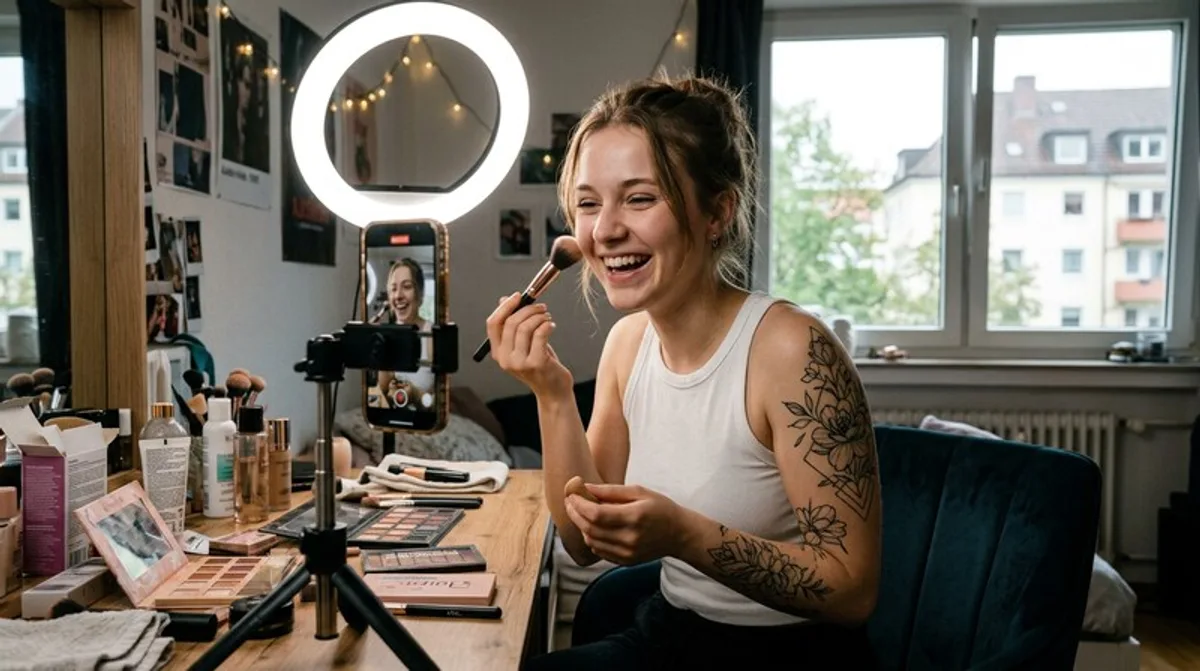
Supplement content lives across every major platform, but creator types differ significantly in audience composition, trust level, and brand fit.
Fitness YouTubers are the most commercially significant creator category for supplement brands. These are gym-focused creators who document training, nutrition, and physique progress across long-form video. Their audiences are actively interested in performance optimization — they watch nutrition breakdowns, supplement reviews, and "what I eat in a day" content specifically to inform their own supplementation decisions. For protein powder, pre-workout, creatine, and performance-oriented products, fitness YouTube creators offer the highest purchase-intent audiences in the category. Channel sizes range from 50K subscribers with tight-knit gym communities to multi-million subscriber channels with global reach.
Nutrition coaches and wellness Instagram creators speak to a broader health-conscious audience than pure gym content. These creators post meal plans, macro breakdowns, supplement routines, and wellness education. They reach an audience that crosses between fitness-first and general health interest — which makes them valuable for multivitamins, protein supplements targeting everyday health (not just performance), and lifestyle-oriented products like collagen and greens powders.
Wellness and biohacking TikTok creators have built significant audiences around optimization culture: morning supplement routines, stack videos, "everything I take daily" posts, and longevity-focused content. TikTok's algorithm amplifies this content effectively, and the format suits quick demonstrations of supplement routines. For nootropics, adaptogens, and trending wellness categories (mushroom supplements, electrolytes, AG1-style greens powders), TikTok wellness creators reach a highly engaged audience.
Credentialed creators — Registered Dietitians (RDs) and certified nutritionists are the premium tier of the supplement creator ecosystem. These professionals carry formal credentials that their audiences understand and trust, and they typically apply higher standards to the products they promote — which increases the persuasive power of their endorsements. A 40K-follower RD recommending a protein powder carries more authority with nutrition-seeking audiences than a 200K-follower general fitness creator recommending the same product.
Rate Table: Supplement Creators by Tier and Platform
| Creator Type | Tier / Following | Instagram Post | Instagram Reel | TikTok Video | YouTube Integration | YouTube Dedicated |
|---|---|---|---|---|---|---|
| General Fitness / Wellness | Nano (1K–10K) | $50–$200 | $75–$300 | $75–$250 | $150–$500 | $300–$800 |
| General Fitness / Wellness | Micro (10K–100K) | $200–$900 | $350–$1,500 | $300–$1,200 | $500–$3,000 | $900–$5,000 |
| General Fitness / Wellness | Mid-Tier (100K–500K) | $900–$4,000 | $1,500–$6,000 | $1,200–$5,000 | $3,000–$12,000 | $5,000–$20,000 |
| General Fitness / Wellness | Macro (500K–1M) | $4,000–$12,000 | $6,000–$18,000 | $5,000–$15,000 | $12,000–$35,000 | $20,000–$55,000 |
| RD / Certified Nutritionist | Micro (10K–100K) | $500–$2,500 | $800–$4,000 | $700–$3,500 | $1,500–$8,000 | $2,500–$12,000 |
| RD / Certified Nutritionist | Mid-Tier (100K–500K) | $2,500–$10,000 | $4,000–$15,000 | $3,500–$12,000 | $8,000–$30,000 | $12,000–$45,000 |
Credentialed creators (RDs and certified nutritionists) command 2–3x the rate of general fitness creators at equivalent follower counts. This premium is justified by the higher trust and conversion rates their recommendations generate, the compliance protection their credentials provide (content from a credentialed professional carries lower regulatory risk), and their relative scarcity compared to general fitness creators.
FDA and FTC Compliance Framework for Supplement Claims

Dietary supplements are regulated by the FDA under DSHEA (Dietary Supplement Health and Education Act of 1994), which creates a specific legal framework that every supplement brand and their creator partners must understand.
Structure-function claims are allowed. These claims describe how a nutrient or dietary ingredient is intended to maintain the normal structure or function of the body. Examples: "calcium builds strong bones," "antioxidants maintain cell health," "protein supports muscle recovery." Structure-function claims must be truthful, substantiated, and accompanied by the disclaimer: "This statement has not been evaluated by the Food and Drug Administration. This product is not intended to diagnose, treat, cure, or prevent any disease." This disclaimer is required on product labels and should appear in any creator content that makes structure-function claims.
Disease claims are prohibited. Any claim that a supplement can diagnose, prevent, mitigate, treat, or cure a disease makes the product a drug under FDA law, requiring FDA approval — which most supplements do not have. Examples of prohibited claims: "lowers blood pressure," "treats depression," "prevents cancer," "cures insomnia." The line between a structure-function claim and a disease claim is sometimes subtle, and brands should require legal review of all claim language before use in creator content.
Understanding "supports" versus "treats." The vocabulary matters significantly. "Supports immune health" (structure-function — permissible with substantiation) versus "boosts your immune system to fight colds" (implying a disease-specific claim — problematic). "Supports mental clarity" (structure-function) versus "treats brain fog and ADD symptoms" (disease claim — prohibited). Creators should use only brand-approved claim language and should not improvise benefit claims beyond what appears in the brand brief.
FTC requirements for supplement advertising add a second compliance layer. The FTC requires that all supplement claims be substantiated by competent and reliable scientific evidence. "Before and after" testimonials must reflect typical results for typical users, not best-case outliers. Creators must disclose material connections to brands as conspicuously as required for any sponsored content. Additionally, the FTC has issued guidance specifically targeting supplement marketing on social media, and has brought enforcement actions against brands and creators making unsupported claims.
Required Disclaimer Language for Supplement Sponsored Content
All creator content promoting supplement products should include:
The mandatory FDA disclaimer: "This statement has not been evaluated by the Food and Drug Administration. This product is not intended to diagnose, treat, cure, or prevent any disease." This can appear as a text overlay, caption footnote, or verbal disclosure in video content.
FTC sponsorship disclosure: "#ad," "#sponsored," or "paid partnership with [Brand]" must appear conspicuously at the beginning of captions and verbally in video content before any product mention.
For weight loss or body composition claims: additional disclaimers that results are not typical and that the creator's results were achieved with diet and exercise are required to avoid FTC liability.
For creators with professional credentials (RDs, certified nutritionists): content should clarify whether the professional opinion is being given in a personal capacity as a sponsored creator or as clinical advice. Most credentialed creators operating as sponsored partners include language clarifying they are speaking as a content creator, not in a clinical advisory capacity.
Endemic Supplement Brand Categories and Their Creator Strategies
Protein powder brands (Optimum Nutrition, Garden of Life, Ghost, Momentous, Orgain) are the highest-volume supplement category in influencer marketing. Creator programs typically involve monthly supply plus flat fee, with affiliate programs offering 10–20% commission on direct-to-consumer sales. YouTube fitness creators are the primary channel; Instagram and TikTok support discovery and trial.
Vitamins and multivitamins (Ritual, Thrive Market, Garden of Life, generic retail vitamins) appeal to broader audiences beyond dedicated fitness creators. Wellness Instagram and general lifestyle creators are appropriate partners, along with credentialed RD creators who can speak to micronutrient gap research. This category is well-suited for ongoing ambassador programs rather than one-off posts, because daily supplement habits are built over time.
Collagen supplements straddle beauty and wellness creator communities. Collagen content appears in both gym-focused nutrition content ("supports joint health and recovery") and beauty/skincare content ("supports skin elasticity"). Brands should identify which positioning best matches their target audience and select creators accordingly rather than trying to bridge both communities in a single campaign.
Pre-workout and performance supplements are most effective with gym-specific creators — bodybuilders, powerlifters, CrossFit athletes, and high-intensity training creators. These audiences have strong purchase intent for products that directly affect training performance, and genuine enthusiast creators who naturally use pre-workout produce the most authentic content.
Nootropics and cognitive supplements (mushroom coffee blends, lion's mane supplements, biohacking stacks) align with productivity and biohacking creator communities. These audiences are younger (25–35), college-educated, and receptive to performance optimization messaging. TikTok biohacking content has been particularly effective for brands in this segment.
Probiotic and gut health supplements benefit from the credentialed creator premium more than most supplement categories, because gut health claims are complex and the audience tends to be skeptical of simplistic marketing. RD and functional medicine-adjacent creators provide the credibility this category requires.
Deal Structures for Supplement Brands
Monthly supply plus flat fee is the standard structure for ongoing creator partnerships. The brand provides a month's supply of product (allowing genuine use rather than single-use review) and pays a per-post or monthly flat fee. This structure aligns creator incentives with authentic product use — creators who actually take a supplement for 30+ days produce more credible content than those reviewing a single serving.
Affiliate programs with 15–30% commission are particularly effective for DTC supplement brands with high average order values or subscription models. A creator who drives subscribers at $50/month generates meaningful ongoing income from renewal commissions. Impact, ShareASale, and brand-direct affiliate programs are all common structures in this category.
Performance ambassador programs for hero products involve a select creator receiving premium product supply, co-branded discount codes (which also serve as attribution tools), priority access to new products, and a monthly flat fee retainer. These multi-month relationships produce stronger content quality and audience trust than transactional one-off deals.
Brand Vetting Guidance for Creators
Given the regulatory complexity and potential for audience harm in the supplement space, creators should vet brands before accepting partnerships. Red flags to assess before signing:
Illegal claims in existing marketing: if the brand's website, existing influencer content, or advertising makes disease claims, guarantees results, or uses clinical language without the required FDA disclaimer, the brand is operating outside compliance and creates liability risk for creators who work with them.
Undisclosed or unsubstantiated clinical trials: if a brand claims clinical evidence they cannot produce when requested, that is a significant concern. Legitimate supplement brands can provide the research behind their structure-function claims.
Guaranteed results in the brief: any brief that asks a creator to guarantee a specific outcome ("you'll lose 10 pounds in 30 days," "users report 40% better sleep") is asking for a claim the brand cannot legally make and the creator should not make.
MLM or pyramid structure: some supplement brands operate through multi-level marketing structures where creator income depends on recruiting other sellers rather than product sales. These structures are not inherently illegal but require additional FTC disclosure and often create reputational risk for creators.
For rate tables across all tiers, formats and platforms, see our influencer pricing by niche benchmarks.
Frequently Asked Questions
Supplement influencer marketing is a mature, competitive category where success requires balancing aggressive reach strategies with rigorous compliance management. The brands that build lasting creator programs are those that invest in genuine product experiences (rather than scripted one-off promotions), select creators whose credibility the audience trusts, and manage compliance with the same care they apply to their product formulations. For help budgeting your supplement influencer program, use the free calculator to benchmark rates across every tier and platform.
Get the market rate for any creator — free
Enter followers, niche, and content type. Get an instant benchmark with CPM equivalent and fair/high/low verdict.
Open Rate Calculator →