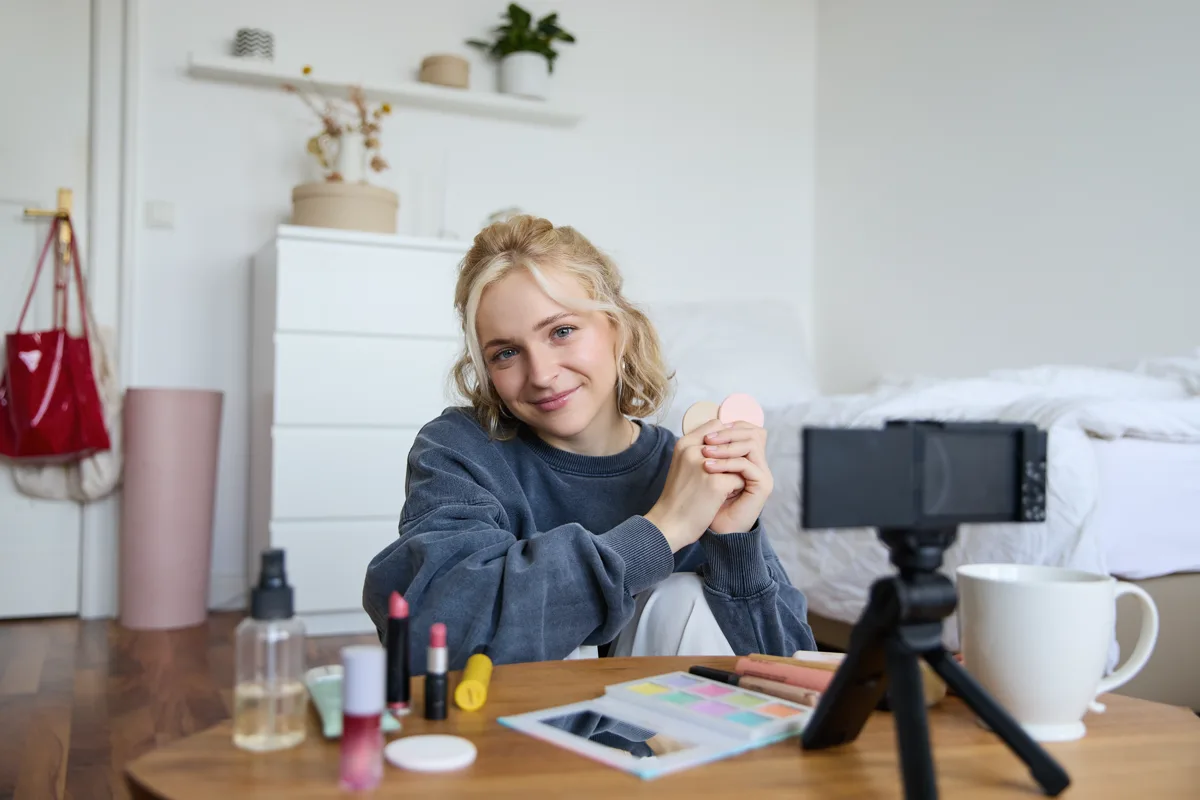
Beauty is the vertical where influencer marketing was essentially invented. Long before most industries began testing creator partnerships, beauty brands were mailing products to bloggers and YouTube vloggers and watching sales follow. Today, beauty remains the highest-performing category in influencer marketing — both in terms of content volume and measurable ROI. For beauty e-commerce brands, understanding how to navigate this ecosystem — from rate structures to platform selection to campaign architecture — is a competitive necessity, not a strategic option.
This guide covers the beauty creator ecosystem, why the vertical delivers industry-leading ROI, rate benchmarks by tier and platform, the optimal creator funnel for beauty, deal structure options, content formats that drive conversion, and platform-by-platform strategy.
Related: Beauty Influencer TikTok Rates 2026: BeautyTok Pricing and Brand Deal Guide, YouTube Beauty Influencer Rates: What Brands Pay for Beauty Channel Placements
The Beauty Creator Ecosystem

Beauty content is produced by a highly differentiated creator population, each type serving a distinct function in the marketing funnel:
- Beauty YouTubers: Long-form tutorial and review creators (15–40 minute videos) covering full makeup looks, skincare routines, and in-depth product comparisons. High audience trust, long content shelf life, strong search discoverability. Dominant in skincare and makeup categories.
- Makeup TikTok creators (BeautyTok): Short-form transformation, trend-forward, and entertainment-first content. Mass reach potential through viral mechanics. Particularly strong for launching trending products and reaching the 18–25 demographic.
- Skincare Instagram creators: Educational, before/after, and routine-based content. Strong in the 25–40 demographic. Instagram's high-quality image format is optimal for skincare, where texture and results visuals drive purchase intent.
- Beauty haul creators: Volume purchasers who feature multiple products per post or video. High share-of-voice within a post is limited, but haul creators provide broad category exposure and comparison context.
- Specialist and niche creators: Clean beauty, men's grooming, mature skin, deep skin tones, budget beauty — each serves an underserved audience with high community trust and strong engagement.
Why Beauty Has the Highest Influencer Marketing ROI
Beauty e-commerce consistently outperforms other verticals in influencer marketing ROI for several structural reasons:
High visual impact: Beauty results are immediately visible in content. A before/after skincare transformation, a makeup tutorial with dramatic results, or a hair color video provides proof of product performance within the content itself — reducing the trust gap that other product categories face.
Strong community trust: Beauty creators hold a peer-advisory role with their audience. Followers ask creators for specific product recommendations, follow multi-step skincare routines exactly as prescribed, and return to creators repeatedly for new launches. This creates a purchase-intent relationship that most other content categories do not achieve.
Product discovery-driven category: Beauty consumers are actively seeking new products. Unlike categories where loyalty to existing products is high, beauty shoppers are receptive to creator-introduced alternatives at essentially every purchase cycle.
Repeat purchase economics: Beauty products have high repurchase rates. Influencer-acquired customers in the beauty category have above-average LTV because they tend to rebuy and expand into related SKUs. The first-purchase CPA is justified by a stronger LTV/CPA ratio than most other verticals.
Rate Table: Beauty Creators by Tier and Platform
| Creator Tier | Instagram Post | Instagram Reel | TikTok Video | YouTube Integration | YouTube Dedicated |
|---|---|---|---|---|---|
| Nano (1K–10K) | Gifting or $50–$200 | Gifting or $75–$250 | Gifting or $50–$200 | Rare | Rare |
| Micro (10K–100K) | $200–$1,200 | $300–$1,500 | $200–$1,200 | $500–$2,500 | $1,000–$5,000 |
| Mid-Tier (100K–500K) | $1,200–$5,000 | $1,500–$6,000 | $1,200–$5,000 | $2,500–$12,000 | $5,000–$20,000 |
| Macro (500K–1M) | $5,000–$15,000 | $6,000–$18,000 | $5,000–$15,000 | $12,000–$35,000 | $20,000–$60,000 |
| Mega (1M+) | $15,000+ | $18,000+ | $15,000+ | $35,000+ | $60,000+ |
Beauty rates run 15–25% above general lifestyle rates at equivalent follower counts because of the category's proven conversion rates and high demand for beauty placements from competing brands.
The Beauty Creator Funnel
Effective beauty brand influencer programs are not single-tier activations. The most efficient strategy mirrors the standard marketing funnel with different creator tiers performing different functions:
- Awareness layer — Mega and macro creators: Build brand recognition and reach new audiences. One or two hero posts per quarter to establish category authority. High CPM, lower direct conversion rate, but necessary for brand building.
- Consideration layer — Mid-tier and micro creators: In-depth tutorials, skincare routine integrations, "full review" content. These creators produce the content that shoppers actually watch before making purchase decisions. Mid-tier beauty YouTube in particular dominates the "is this worth it?" search queries that precede high-consideration beauty purchases.
- Conversion layer — Nano and micro affiliate creators: Authentic community members with highly engaged niche audiences. Gifting-first strategy to build genuine advocates, then conversion to affiliate or paid posts for top performers. These creators drive the discount code redemptions and trackable conversions that justify program ROI.
Deal Structures for Beauty Brands
PR gifting at scale: Seed products to 50–200 nano and micro creators without a required posting obligation. Aim for 30–50% organic posting rate from gifted creators. Cost is product + shipping only. Best used for new SKU launches to generate launch-day content velocity and organic social proof.
Paid flat fee for key SKUs: Select 10–30 creators at the micro and mid-tier level for paid posts around hero products or key campaign moments (launch, holiday, brand refresh). These posts carry posting obligations, brand approval rights, and typically usage rights for paid social amplification.
Affiliate program (10–20% commission): Beauty affiliate rates run 10–20% of sale value, above the 5–15% norm in most categories. The higher rate reflects the category's strong conversion performance and the willingness of beauty creators to promote on an earnings basis. Use affiliate as the always-on layer of your program — a permanent link in creator bios that generates passive revenue for creators and continuous attributed sales for the brand.
Hero creator for hero product launch: Identify one or two signature creators for your most important product launches. Negotiate exclusivity (typically 30–60 days in beauty), video integration, and usage rights for paid social. Budget $20,000–$75,000 for a mid-tier to macro hero creator partnership at launch, including exclusivity and usage premiums.
Content Types That Convert in Beauty
Not all beauty content formats deliver equal conversion performance. Based on industry data:
- Tutorial content: Highest conversion rate. Viewers are actively learning product application, which creates both education and purchase intent simultaneously. Best on YouTube (long-form) and TikTok (short tutorial trend formats).
- Lifestyle/aesthetic: Strong for brand building and reach. Lower direct conversion but important for brand association and Pinterest/Instagram discovery.
- Haul content: Good for share-of-mind within product categories. Lower per-product conversion since attention is divided across many items.
- Review/honest opinion: High-trust, high-conversion for considered purchases (serums, treatments, high-ticket skincare). Requires creators with editorial credibility — works poorly with obviously paid posts.
Platform Comparison for Beauty
TikTok (#BeautyTok): Viral potential is highest on TikTok. A single transformation video or "dupe" content piece can reach millions of users outside the creator's follower base. Best for rapid product awareness, reaching younger demographics (18–25), and generating buzz for launches. TikTok Shop integration with native checkout is increasingly powerful for beauty impulse purchases — use our free calculator to model expected TikTok campaign reach by creator tier.
YouTube: The strongest platform for in-depth product review, comparison, and tutorial content. YouTube beauty content has multi-year search longevity — a well-produced tutorial video can continue driving organic traffic and conversions for 2–5 years after publication. Ideal for mid-tier and macro creator partnerships with high content quality standards.
Instagram: Optimal for aesthetic inspiration, premium positioning, and lifestyle brand association. Reels for reach, Stories for conversion (swipe-up links, product stickers), and Feed posts for brand equity and evergreen content. Strongest in the 25–40 female demographic for skincare and fragrance.
PR List vs. Paid Strategy
A PR gifting list is not a paid influencer program — it is a discovery mechanism. Maintain a tiered PR list that sends product to 100–500 nano and micro creators on an ongoing basis (new launches, seasonal product refreshes, PR samples). Track which creators post organically, which drive code redemptions, and which generate engagement. The best performers from the PR list become the paid program roster. This approach dramatically reduces cost-per-discovery of high-performing creators compared to cold outreach with upfront fees.
For rate tables across all tiers, formats and platforms, see our influencer pricing by niche benchmarks.
Frequently Asked Questions
Get the market rate for any creator — free
Enter followers, niche, and content type. Get an instant benchmark with CPM equivalent and fair/high/low verdict.
Open Rate Calculator →