
TikTok Spark Ads are one of the most significant innovations in paid social advertising over the past three years — a format that allows brands to amplify a creator's organic TikTok video as a paid advertisement while preserving every element that makes organic creator content effective: the creator's handle, profile picture, original engagement counts, and the social proof of real viewers who chose to engage with the content. For brands running TikTok influencer campaigns, Spark Ads represent a structural upgrade over standard in-feed ads — but they come with pricing implications that both brands and creators need to understand before a deal is structured. This guide covers how Spark Ads work technically, the authorization process, pricing impact on creator rates, performance benchmarks, and how to negotiate Spark Ads rights efficiently.
What TikTok Spark Ads Are
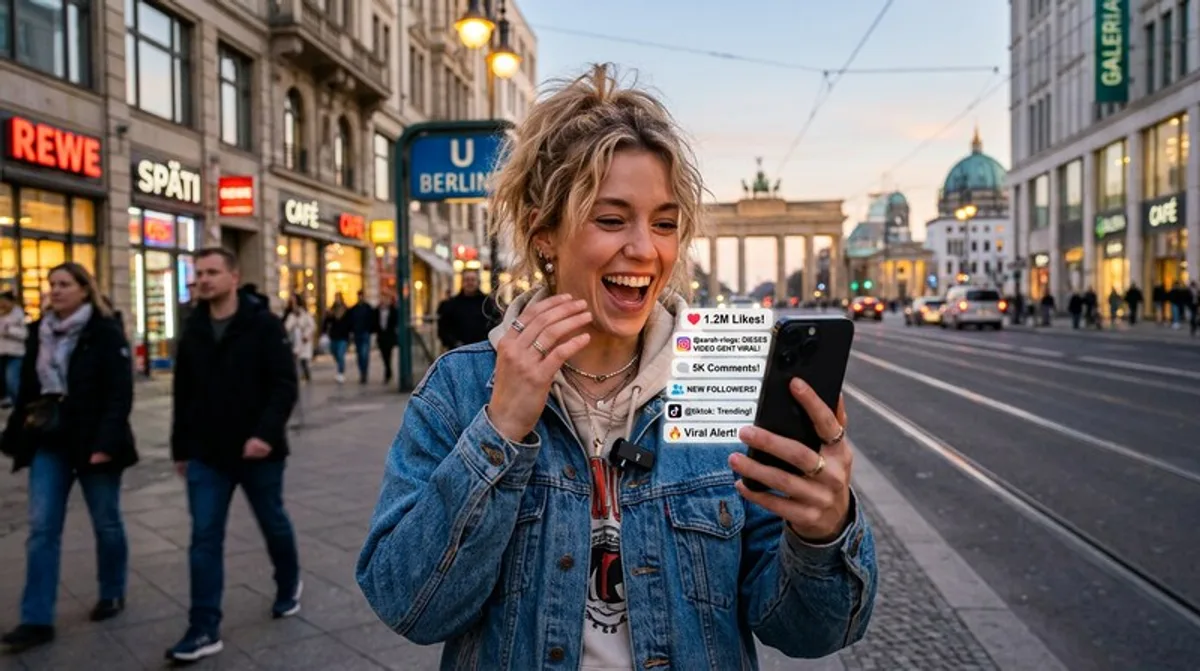
TikTok Spark Ads are a paid advertising format that boosts an organic creator post — or brand-owned organic post — as a paid advertisement through a brand's TikTok Ads Manager account. Unlike standard TikTok in-feed ads (which are created as standalone ad creatives and appear from the brand's handle with an "Ad" label), Spark Ads retain the original post's organic appearance: the creator's username and profile picture remain visible, the original caption and hashtags are preserved, and crucially — all existing likes, comments, shares, and views from organic performance remain on the post and are visible to users seeing the ad. The "Sponsored" label is present as required, but the post looks and feels entirely native.
Related: TikTok Influencer Pricing: Complete 2026 Rate Guide, Creator Whitelisting Guide 2026: Costs, How It Works, and ROI Benchmarks
The mechanism: when a creator authorizes a Spark Ad, they are giving the brand permission to amplify the specific TikTok video through the brand's ad account. The ad appears in users' For You Page feeds, in search results, or wherever the brand configures TikTok Ads Manager placement — but it shows the creator's content, not a brand-produced creative. The brand controls targeting, ad spend, scheduling, and campaign parameters; the creator's video is the creative asset. Use the Instagram Analyzer to benchmark base creator rates before adding Spark Ads authorization premiums.
How Spark Ads Differ from Standard TikTok In-Feed Ads
| Feature | TikTok Spark Ads | Standard In-Feed Ads |
|---|---|---|
| Content source | Existing organic creator or brand post | Brand-produced creative uploaded to Ads Manager |
| Account handle shown | Creator's handle (or brand's organic handle) | Brand's ad account handle |
| Organic engagement visible | Yes — likes, comments, shares preserved and accumulate | No — starts at zero for each ad run |
| Ad label | "Sponsored" visible | "Ad" label visible |
| Creator credibility | Fully intact — creator's content, creator's identity | None — pure brand creative |
| Native appearance | High — indistinguishable from organic content except for label | Lower — brand handles often recognized as advertising |
| Creator consent required | Yes — authorization code from creator | No — brand controls entirely |
| Engagement goes to | Original creator post (shared with brand) | Brand ad post |
The visible engagement preservation is particularly impactful. A creator's video with 200,000 organic likes and 15,000 comments, when boosted as a Spark Ad, shows those engagement numbers to every user who sees it in their feed as a paid placement. The social proof signal — 200,000 people liked this — is immediately visible and dramatically increases credibility compared to a brand ad starting at zero engagement. This is the Spark Ads advantage that standard in-feed ads structurally cannot replicate.
Spark Ads Authorization Process

The authorization process for Spark Ads requires active consent from the creator — a brand cannot Spark Boost content without the creator's explicit permission. The steps:
Creator side: In TikTok, the creator opens the specific video they want to authorize, taps the three-dot menu (or "Settings"), selects "Ad settings," and chooses to allow the brand to use the video as a Spark Ad. The creator selects the authorization period (30, 60, or 365 days) and generates a unique authorization code. This code is sent to the brand — by message, email, or directly within a creator management platform that integrates TikTok's API.
Brand side: In TikTok Ads Manager, the brand navigates to the "Spark Ads" section under "Creative" and enters the authorization code provided by the creator. Once the code is verified, the video appears in the brand's Ads Manager creative library and can be used in any campaign during the authorized period. The brand cannot use the video after the authorization period expires — any running campaigns using that creative must be paused or the creator must renew the authorization.
Authorization expiry: When an authorization period ends, the video is automatically removed from the brand's Ads Manager creative library. If the brand is running an active campaign using that creative, the ads will stop delivering. Brands should set calendar reminders to request authorization renewal 2–3 weeks before expiry on any actively running campaigns. Authorization cannot be extended retroactively — the creator must re-authorize a new period.
Pricing Impact: What Spark Ads Authorization Adds to Creator Rates
Spark Ads authorization is an additional right granted to the brand beyond the standard content creation and organic posting deliverable. Because it gives the brand the ability to amplify the creator's content to audiences far beyond the creator's organic reach — spending the brand's ad budget against the creator's content — it represents a material additional use and should be priced accordingly.
Standard Spark Ads authorization add-on: 15–25% above the base content creation and organic posting rate. This percentage varies by authorization period length and creator tier.
| Authorization Period | Typical Add-On Rate | Notes |
|---|---|---|
| 30 days | 15% above base rate | Short-term campaign boost; low impact on creator's profile long-term |
| 60 days | 18–20% above base rate | Mid-campaign; covers standard campaign flight |
| 90 days | 20–25% above base rate | Quarter-length; most common brand request |
| 180 days | 30–40% above base rate | Extended; appropriate for evergreen product content |
| 365 days | 50–75% above base rate | Full-year; significant premium; treat as near-perpetual for campaign purposes |
Creator rates for Spark Ads authorization should scale with the creator's tier. A nano creator's 30-day Spark authorization adds $50–$150 to a $300 base rate. A mid-tier creator's 90-day authorization adds $1,500–$3,000 to a $10,000 base rate. At the macro tier, 90-day Spark authorization adds $10,000–$25,000 to base campaign rates. The economic logic: the brand is buying the right to direct ad spend against that creative indefinitely within the period — the creator's face, voice, and credibility fuel the brand's ad campaigns at the brand's discretion.
Spark Ads Performance vs. Standard TikTok In-Feed Ads
Spark Ads consistently outperform standard in-feed ads on core performance metrics. TikTok platform data and third-party agency benchmarks report:
| Metric | Spark Ads | Standard In-Feed Ads | Spark Advantage |
|---|---|---|---|
| Click-through rate (CTR) | Typically 1.5–3.5% | Typically 1–2% | 20–75% higher CTR |
| Cost per acquisition (CPA) | Lower by 20–40% | Baseline | 20–40% CPA reduction |
| View-through rate | Higher (native feel) | Lower (ad recognition) | Significant advantage |
| Comment + share rate | Higher (social proof compounds) | Lower | Ongoing organic lift |
| Brand lift | Higher (creator credibility) | Lower | Measurable awareness advantage |
The performance advantage of Spark Ads over standard in-feed ads is driven by three mechanisms: the native appearance reduces "ad avoidance" behavior (users who scroll past obvious ads do not scroll past Spark Ads at the same rate), the social proof of accumulated organic engagement signals value, and the creator's credibility lends trust to the commercial message that a brand handle cannot provide independently.
When Brands Should Require Spark Ads Rights
Not every influencer campaign needs Spark Ads authorization. Require Spark Ads rights when: the campaign includes a paid media budget to amplify creator content (mandatory — do not run ads without authorization), the content performs well organically and the brand wants to extend its reach (the organic performance is evidence the creative works), the brand is in a launch phase where paid amplification is critical to awareness goals, or the content features an evergreen product message that will remain relevant for 90+ days.
Spark Ads authorization is less critical when: the campaign is awareness-only with no paid media budget, the content is highly time-sensitive (event-specific, trend-specific) and would not be relevant for a paid campaign beyond 30 days, or the brand is exclusively measuring organic influencer performance without paid amplification in the strategy.
A best practice: structure every mid-tier and above influencer contract to include 30-day Spark Ads authorization as a default, with an option to purchase extended authorization if the content performs above benchmarks. This gives the brand the minimum paid amplification rights without paying the 90-day premium upfront, with a performance-triggered upgrade path.
Spark Ads vs. Instagram Branded Content Ads Comparison
| Feature | TikTok Spark Ads | Instagram Branded Content Ads |
|---|---|---|
| Platform | TikTok | Instagram / Facebook |
| Organic engagement visible in ad | Yes | No — resets when boosted as ad |
| Creator handle visible | Yes | Yes (co-displayed with brand) |
| Creator authorization method | Authorization code from creator | Creator enables in Meta Business Manager |
| Authorization period control | 30/60/365 days set by creator | Ongoing (brand controls timing independently) |
| Brand control over targeting | Full (TikTok Ads Manager) | Full (Meta Ads Manager) |
| Social proof advantage | Very high (all engagement metrics visible) | Medium (label only, no engagement count in ad) |
| Content formats supported | Feed videos, Spark Ads placement | Feed, Stories, Reels (platform-dependent) |
TikTok's Spark Ads have a structural advantage over Instagram Branded Content Ads specifically because of the visible engagement preservation. On Instagram, when a brand boosts a creator post as a branded content ad, the engagement metrics visible to ad viewers are different from the organic post — the ad essentially starts fresh. On TikTok, the Spark Ad shows the same post with all accumulated engagement fully visible, which creates a stronger social proof signal for every paid impression delivered.
Best Content Types for Spark Ads
Not all creator content performs equally well when boosted as Spark Ads. The content formats with the strongest Spark Ads performance record:
Testimonial videos: Creator speaking directly to camera about their experience with a product. The conversational, personal format transfers maximum creator credibility to the commercial message. First-person testimonials outperform scripted brand language in TikTok's native content environment because the format matches the platform's organic content style.
Demo or tutorial videos: Showing the product in use, demonstrating a transformation or result. High-value demonstrative content provides both entertainment and product education. "Show, don't tell" content consistently drives higher CTR on TikTok than verbal-description-only content.
Before/after content: Transformation-format content showing a before state and an after state with the product as the mechanism of change. This format is highly effective for beauty, fitness, home, and food categories — any category where the product creates a visible outcome. Before/after Spark Ads regularly outperform other formats on CPA in direct-response campaigns.
Content to avoid for Spark Ads: highly trend-dependent content (relies on a sound or trend that is no longer relevant after 2–3 weeks), content with third-party copyrighted music the brand cannot clear for advertising use, content with celebrity references that were not licensed, or content featuring competitor products in an unflattering comparison (creates legal risk for the brand).
How to Negotiate Spark Ads Rights as a Creator
Creators should treat Spark Ads authorization as a separately priced add-on, not a bundled default. Standard negotiation framework:
First, establish your base rate for content creation and organic posting before any usage rights discussion. Once the base rate is agreed, present Spark Ads authorization as an additional line item with the pricing tiers above (15–25% add-on depending on period length). Specify the authorization period explicitly in the contract — do not accept open-ended Spark Ads authorization language. Require the authorization to apply to a specific, identified video — not a blanket authorization for any content you produce for the brand during the campaign period.
Creators should require that the brand notifies them when Spark Ads campaigns are actively running against their content. This matters for audience perception: if a brand runs aggressive Spark Ads targeting to audiences that overlap with the creator's organic followers, it can artificially inflate the "Sponsored" impression of the content and affect how the creator's existing audience perceives their feed. Knowing when and how the brand is running the ads helps creators manage their audience relationship proactively.
Sizing Total Spark Ads Campaign Costs With Per-Creator Rate Benchmarks
Spark Ads authorization adds 15–75% to base creator rates depending on period length — but the base rate itself must be right before the percentage makes sense. The Instagram Analyzer generates an engagement-adjusted base rate for any public creator profile, so you can calculate total Spark deal cost (base + authorization add-on) on a realistic foundation rather than creator-quoted anchor prices.
For campaigns deciding between two creators for Spark Ads amplification — one with high organic engagement that will maintain social proof through paid distribution, one with a larger following but lower engagement — the Profile Comparison Tool shows both profiles' engagement scores and implied rates side by side, making the social proof quality difference concrete before ad budget is committed.
Frequently Asked Questions
Get the market rate for any creator — free
Enter followers, niche, and content type. Get an instant benchmark with CPM equivalent and fair/high/low verdict.
Open Rate Calculator →