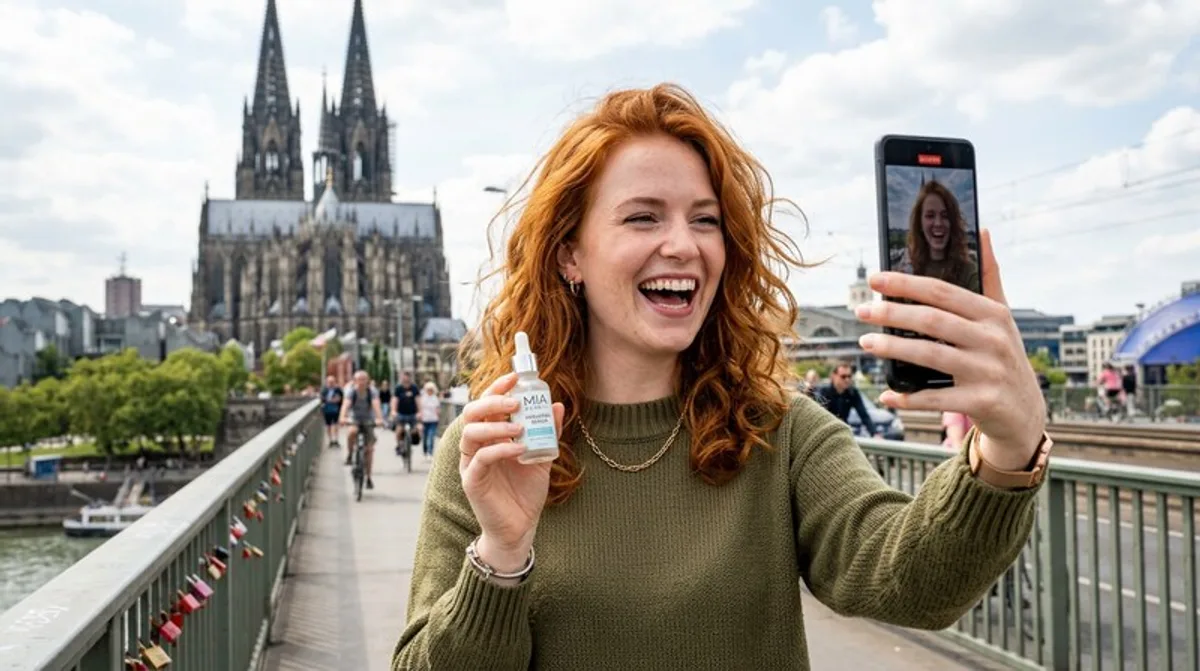

When a brand asks you to "include whitelisting" in a deal, the request sounds simple. It is not. What they are actually asking for — and what you should be charging for — depends on which type of whitelisting they mean, how long they want the authorization to run, whether they plan to run dark posts through your account, and what spend cap (if any) applies to the media budget behind your content. This guide is written from the creator's side: what whitelisting means for your account, how to price each type, and what contract terms to insist on before you say yes. If you are a brand looking for guidance on which whitelisting type to purchase and how each one fits a campaign budget, see our brand-side whitelisting guide. Use the free calculator to establish your base content rate before you add any whitelisting premium.
What Whitelisting Does to Your Account — and What It Does Not Do
When you grant a brand whitelisting access to your account, you are not handing over your password or your profile. You retain full control of your organic posting, your account settings, and your ability to revoke access. What you are granting is specific and limited: the brand gains the ability to run paid ads that use your account as the sponsoring entity, so those ads appear in people's feeds with your name, your profile photo, and the Sponsored label attached.
That distinction matters because the impact on your account is real even without login access. A brand running $50,000 of paid ads through your Instagram handle is spending that budget behind your identity — associating your name with their product at a scale and to audiences that were never part of your organic content deal. Your reputation is in the distribution. You do not see where the ads run, who sees them, or how often each person is served that content. That is exactly why the authorization deserves separate, explicit compensation — and explicit limits.
There is one operational consequence worth knowing on each platform. On Meta: if you delete the organic post that the brand is using as the basis for paid ads, the active ad campaign using that post will stop. Some contracts include clauses restricting your ability to delete whitelisted content during the authorization window. Read those clauses carefully before signing.
How Whitelisting Works on Meta (Instagram and Facebook)
On Meta platforms, whitelisting is executed through Meta Business Suite using a feature called Partnership Ads (formerly known as Branded Content ads). The creator grants the brand advertising access through the Instagram or Facebook Partnership Ads settings; the brand then takes content you have posted — or content you have provided but not yet posted — and runs it as a paid ad using your handle as the sponsoring account. The ad displays your profile photo and name, the content you produced, and a Sponsored label indicating it is paid media.
You control access through your account settings. On Instagram, navigate to Settings, then Creator, then Partnership Ads. You can approve specific brand partners, restrict access to defined content, and revoke access at any time. Granting access does not give the brand control over your organic posting or your profile. However, the brand does gain audience data from those ads — which segments engaged, what geographic areas responded — and that data belongs to the brand's ad account, not to you.
How Whitelisting Works on TikTok (Spark Ads)
TikTok's version of whitelisting is called Spark Ads. A creator generates a unique code in TikTok's Creator Marketplace or via account settings, then provides that code to the brand. The brand enters the code in TikTok Ads Manager, which allows them to boost the creator's existing organic TikTok post as a paid ad. The ad appears on the TikTok For You page of users outside your follower base, displays your handle and profile, and carries the Paid Partnership label.
Spark Ads codes expire after a defined period — typically 7 to 30 days — so if a brand wants to run the campaign over a longer window, you must generate a new code. This is an important negotiating point: specify in the contract how many code renewals are included in the agreed fee, and what the process and price is if the brand wants to extend beyond the agreed window. Do not generate open-ended renewal commitments with no compensation structure.
Why Brands Pay a Premium — and Why You Should Charge One
Three factors drive the commercial value of whitelisted content beyond a standard sponsored post. First, your credibility scales beyond your audience: the ad appears to come from a real person rather than a corporate account, which generates higher engagement rates and lower cost-per-click than equivalent brand-page ads — industry data consistently shows 20–40% higher CTR for creator-sourced ads. Second, the brand gains audience targeting precision it does not have through organic posting — layering first-party data, lookalike audiences, and interest targeting to reach highly specific customer segments your organic following does not fully cover. Third, the content works as a paid ad for 30, 60, or 90 days, delivering impressions long after the organic post has left newsfeeds.
Each of these factors represents additional commercial value extracted from your identity and content beyond what an organic posting deal covers. That value is why a whitelisting premium exists — and why accepting whitelisting as a "standard inclusion" in a base content fee is giving away something real at no charge.
Rate Structure: Standard Post vs. Whitelisted Post
| Factor | Standard Sponsored Post | Whitelisted Post |
|---|---|---|
| Who sees it | Your existing followers (organic reach) | Your followers + brand's targeted paid audience |
| Distribution control | Creator controls posting, timing, placement | Brand controls ad targeting, budget, placement, duration |
| Cost to brand | Creator fee only | Creator fee + ad spend budget (separate from creator fee) |
| Typical creator premium | Base rate (no premium) | Base rate + 20–40% whitelisting add-on fee |
| Duration | Post lives on your profile indefinitely | Ad runs for agreed window (30/60/90 days) |
| Audience data ownership | Creator retains organic analytics | Brand retains all paid ad performance data |
| Creative control post-publish | Creator can edit or delete content | Deleting your post may end active campaigns — check contract |
| Exclusivity implications | Typically none beyond content exclusivity window | Often includes category exclusivity for ad duration |
How to Price Whitelisting: A Creator's Framework
The industry convention is a base content fee plus a whitelisting add-on priced at 20–40% of the base fee per 30-day authorization window. A creator charging $2,000 for an organic Instagram Reel would charge $2,400–$2,800 for the same Reel with 30-day allowlisting, and $2,800–$3,600 for 90-day access. Price each increment explicitly — do not offer a 90-day window at the same rate as a 30-day window because the brand asked nicely.
Several factors push your whitelisting premium toward the higher end of the range: a competitive niche where the brand will realistically spend significant media budget behind your content; a longer authorization window; dark post authorization (content that only exists as ads and never runs organically on your profile); and category exclusivity requirements during the authorization period. Adjust your pricing to reflect how much of your identity the brand is using, for how long, and to how many people.
Duration Pricing for Whitelisting Windows
Whitelisting agreements are priced by duration — the length of time the brand is authorized to run paid ads using your account and content. Standard windows are 30 days, 60 days, and 90 days. Some large brands request 6-month or annual whitelisting agreements, which are structured differently — often as a retainer or a flat fee per quarter. Price each increment separately, and do not give away duration for free. A brand requesting 90-day access should pay more than three times the 30-day add-on — not a lower implied rate because the duration is longer.
Contract Terms Every Creator Must Include
The single most important term in any whitelisting agreement is an explicit end date. "Unlimited" or "perpetual" whitelisting authorization means a brand can run ads through your handle indefinitely — long after the partnership has ended, potentially alongside campaigns you would not endorse. Never grant perpetual whitelisting authorization under any circumstances. Every agreement must specify an end date and a defined process if the brand wants to renew.
Additional terms to negotiate explicitly:
- Spend cap: Consider capping the total brand media spend through your handle during the authorization window. A brand with unlimited spend authorization could spend $500,000 in ads through your account on content you never expected to become a large-scale advertising campaign. A cap protects you from being used as a media vehicle at a scale that was never priced into the deal.
- Content modification rights: Specify that no modifications to your content — changed copy, added overlays, cropped video — are permitted without your written approval. Some contracts allow brands to edit the creative in ads run through your handle. Do not accept this without explicit approval rights.
- Dark post authorization: Specify whether the authorization covers existing published content only, or also allows brand-created dark posts using your handle. Dark posts never appear organically on your profile and are harder to revoke once in the ad system. Price and authorize dark posts separately from standard allowlisting of your organic content.
- Category exclusivity interaction: If you have category exclusivity obligations with another brand, whitelisting for a competing brand in the same category could create a conflict. Review your existing exclusivity commitments before agreeing to any new whitelisting terms.
Exclusivity Implications
Whitelisting agreements frequently include category exclusivity clauses: while the brand is running paid ads from your account, you are restricted from posting competing content or accepting competing brand deals. This restriction has real cost — it prevents you from earning income from competitors during the exclusivity window — and should be priced accordingly. A 30-day exclusivity window in a competitive category (protein supplements, direct-to-consumer skincare, software subscriptions) is worth an additional 15–25% on top of the base whitelisting rate. Read every whitelisting contract carefully for exclusivity scope: make sure it is limited to a specific product category and not the entire brand's industry vertical, which could be far broader than you intended.
For rate tables across all tiers, formats and platforms, see our influencer marketing pricing guides.
Frequently Asked Questions
Get the market rate for any creator — free
Enter followers, niche, and content type. Get an instant benchmark with CPM equivalent and fair/high/low verdict.
Open Rate Calculator →