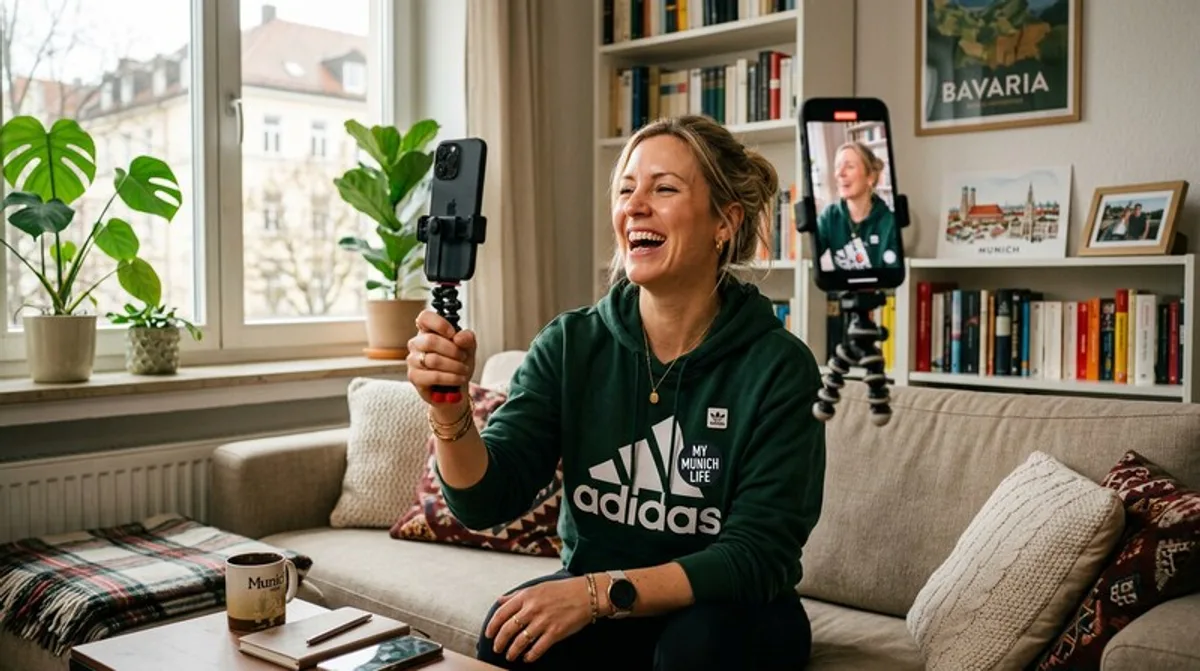

The tea market has undergone a significant transformation. Functional teas, adaptogens, and herbal blends have expanded well beyond the traditional category into the wellness and health-conscious consumer space. Matcha, mushroom teas, sleep blends, and immunity-focused formulas now sit alongside classic loose-leaf and ready-to-drink options, each attracting distinct creator communities. This guide covers influencer rates for tea brands, the compliance considerations for functional health claims, and the content formats that convert audiences into buyers.
The Tea Brand Creator Ecosystem
Tea brands have access to an unusually broad creator ecosystem because the product intersects multiple lifestyle categories. The wellness positioning of functional teas, the ritual aspect of tea preparation, and the growing "morning routine" content format on TikTok and Instagram all create organic entry points for tea brand partnerships.
Related: Health & Wellness Influencer Rates: Pricing for 2026 Campaigns, Wellness Brand Influencer Marketing: Rates and Strategy Guide 2026
Wellness and nutrition creators are the primary driver of functional tea sales through influencer channels. These creators — who cover topics like gut health, sleep quality, stress management, and immunity — have highly engaged audiences who actively seek product recommendations. Their credibility premium means brands pay above-benchmark rates, but conversion rates justify the investment.
Morning routine creators build content around optimized daily starts, which naturally integrates tea preparation. The ritual of brewing tea — boiling water, steeping, adding adaptogens or honey — performs well in short-form video formats and drives strong engagement from audiences who see the product as part of an aspirational morning practice.
ASMR drink preparation creators on TikTok and YouTube produce sensory-focused content around beverage rituals. The sound of boiling water, the pour, the steam, the color of the brew — these elements work extremely well in ASMR formats that drive high watch-time and create product awareness without a direct sales message.
Nutrition coaches and registered dietitians carry significant credibility for functional tea claims. While their rates run 2–3x above standard creator benchmarks at the same follower count, their audience trust and the compliance protection of working with credentialed creators often justifies the premium for brands making health-adjacent claims.
Influencer Rates for Tea Brand Campaigns
Tea brand rates fall within the wellness category, which generally runs 15–30% above general lifestyle benchmarks due to higher audience purchase intent. Use the free calculator to get estimates for any individual creator based on their actual metrics.
| Creator Tier | Followers | Instagram Post | TikTok Video | YouTube Integration |
|---|---|---|---|---|
| Nano | 1K–10K | $75–$250 | $50–$200 | N/A |
| Micro | 10K–100K | $300–$2,000 | $200–$1,500 | $500–$2,500 |
| Mid-Tier | 100K–500K | $2,000–$7,000 | $1,500–$5,500 | $2,500–$8,000 |
| Macro | 500K–1M | $7,000–$20,000 | $5,500–$15,000 | $8,000–$25,000 |
Registered dietitian or certified nutritionist creators command a 2–3x premium over these rates regardless of follower count, based on their credibility and compliance value for functional claims. Ambassador deals that include ongoing content rights typically run 20–30% below these per-post rates when structured as monthly retainers.
FDA Compliance for Functional Tea Claims
This is the most critical compliance area for tea brands using influencer marketing. The FDA distinguishes between structure/function claims — which are permitted with proper disclaimers — and disease claims, which require drug approval. The line between the two is often unclear, and enforcement actions against supplement and functional food brands have increased.
Permitted structure/function claims for tea brands include language like "supports immune function," "promotes relaxation," and "helps maintain healthy digestion." These claims must be accompanied by the required FDA disclaimer: "This statement has not been evaluated by the Food and Drug Administration. This product is not intended to diagnose, treat, cure, or prevent any disease."
Disease claims that are not permitted include language that implies the product treats or prevents a specific disease: "reduces inflammation" (when tied to a disease state), "treats anxiety disorder," or "prevents colds." Many wellness creators use this type of language habitually, which creates legal exposure for brands whose briefs do not explicitly prohibit it.
When briefing creators, provide approved claim language and explicitly prohibit disease claim language. Require that the FDA disclaimer appears in the caption or video description for any functional claim. Work with a food law attorney to review your approved claim library before distributing briefs at scale.
Seasonal Timing for Tea Campaigns
Tea has two dominant seasonal peaks: the fall and winter period (October through February) when hot beverages are in peak demand, and the Dry January period in January when functional and wellness teas see significant sales lifts as consumers reset health habits.
The fall launch window should be prioritized for most tea brands. Creator content seeded in September and October rides natural organic trend momentum around cozy season, morning routine refreshes, and back-to-school wellness content. Brands that time paid partnerships to align with this organic trend peak see higher engagement and lower effective CPM than off-season campaigns.
Iced tea and ready-to-drink formats see summer peaks, particularly for younger demographics on TikTok. Summer refresher content — iced matcha lattes, cold-brew herbal teas, sparkling tea drinks — performs well from May through August for functional and trendy tea brands.
Recipe Integration as a Content Format
Recipe-based content significantly outperforms product review content for tea brands in terms of both organic reach and conversion intent. When creators develop original recipes using a brand's tea — matcha lattes, chai-spiced oatmeal, chamomile honey cocktails — the content provides practical value that drives saves, shares, and repeat engagement.
Many tea brands build recipe development fees into creator briefs: a flat fee for content creation plus a recipe development component that typically adds 20–40% to the base rate. This structure is common for mid-tier and above creators and helps ensure content quality and originality.
For rate tables across all tiers, formats and platforms, see our influencer marketing strategy guides.
Frequently Asked Questions
Tea brands that build creator programs combining wellness creator credibility with ASMR and morning routine organic reach consistently outperform competitors relying on generic lifestyle placements. The functional tea market's growth trajectory makes influencer marketing one of the most efficient acquisition channels available. Start with the free calculator to benchmark specific creators before beginning outreach.
Get the market rate for any creator — free
Enter followers, niche, and content type. Get an instant benchmark with CPM equivalent and fair/high/low verdict.
Open Rate Calculator →