
Mobile apps use influencer marketing as a user acquisition channel for fundamentally different reasons than consumer goods brands. Where a fashion brand wants reach and brand association, a mobile app brand wants installs — and specifically, installs that convert into active, paying users. This performance orientation shapes every aspect of how app brands structure creator deals, from the metrics they track to the attribution tools they deploy to the commission structures they offer creators.
Influencer-driven installs typically produce higher lifetime value users than paid UA channels like Meta or Google App Campaigns. Users who install because a trusted creator recommended the app arrive with pre-existing product understanding, positive brand sentiment, and specific use-case context — they already know why the app is useful for them. This higher LTV justifies premium CPIs compared to broad paid UA. Use the free calculator to estimate creator fees before structuring your app marketing campaign.
Related: Gaming Brand Influencer Marketing: Rates and Strategy for Game Publishers and Hardware, Influencer Marketing for Streaming Services: Rates, Show Promotion, and Subscription Acquisition
The Mobile App Creator Ecosystem
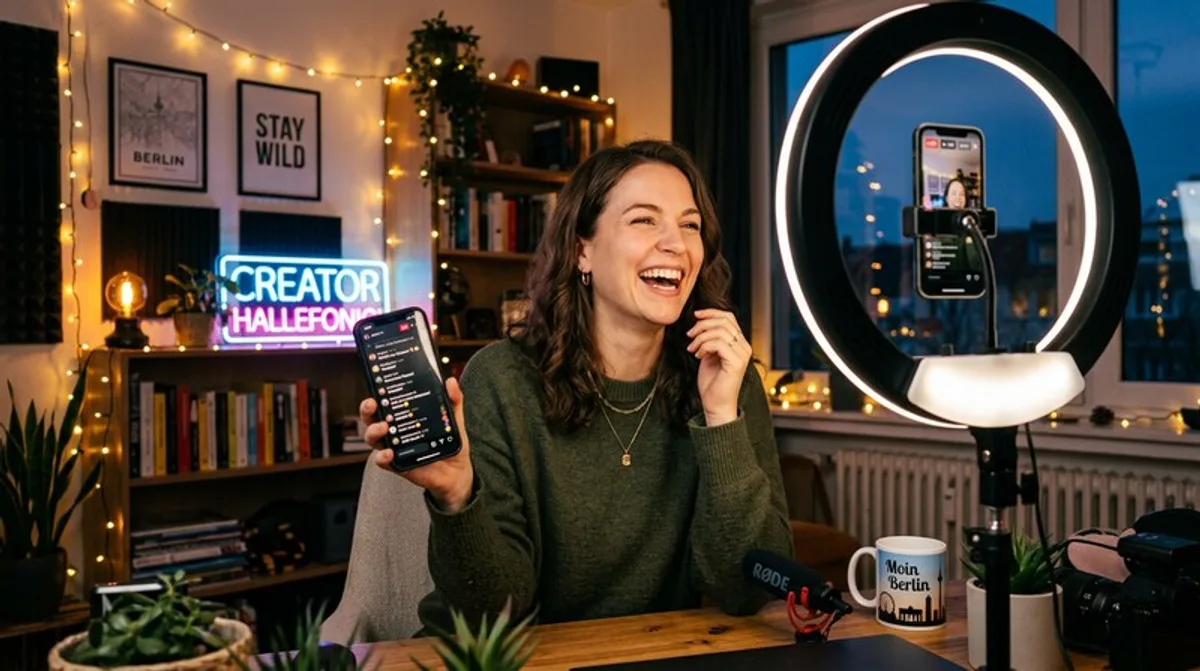
Productivity and Tools YouTubers are the premium segment for non-gaming app brands. Creators focused on productivity systems, digital organization, note-taking, and workflow optimization attract audiences who actively seek tools to improve their work and personal lives. When a productivity YouTuber integrates a task management or focus app into a "my morning routine" or "how I stay organized" video, the audience is inherently receptive. These creators typically serve 25-45 year old knowledge workers — a demographic with disposable income, subscription app purchasing history, and strong word-of-mouth behavior.
Finance and Investing TikTok Creators are the dominant channel for fintech app acquisition. Personal finance creators on TikTok — budgeting tips, investing basics, credit score improvement — attract audiences who are actively looking for financial tools. Finance app CPIs through influencer channels are higher ($3-20 per install) than gaming or lifestyle apps, but the LTV of a financial app user (subscription fees, premium upgrades, referral potential) justifies the premium.
Gaming Creators are the primary channel for mobile game marketing, a category so large it functions as a separate subcategory of app influencer marketing. Gaming creators on YouTube, Twitch, and TikTok have built-in audiences who are already engaged mobile players. The mobile gaming influencer market is enormous — global mobile game spending exceeds $100 billion annually, and creator partnerships are a standard acquisition channel for new title launches and ongoing player acquisition.
Lifestyle App Creators cover health and wellness apps, meditation apps, habit tracking, food logging, and sleep optimization. Fitness and wellness creators on Instagram and TikTok are natural partners for apps in adjacent spaces. A fitness creator recommending a macro-tracking app or a mindfulness creator recommending a meditation app reaches an audience with direct use-case relevance.
Education and Skill-Building Creators serve learning apps, language learning platforms, coding tutorial apps, and professional development tools. This segment reaches motivated learners who are already investing time in self-improvement and are receptive to tools that support their learning goals.
Why Influencer Marketing Works for App User Acquisition
Mobile app UA through traditional paid channels has become increasingly expensive and attribution-challenged since iOS 14.5's App Tracking Transparency framework reduced the effectiveness of cross-app retargeting. CPIs on Meta and Google have risen while targeting precision has declined. Influencer marketing fills this gap as a channel that bypasses tracking limitations — a creator's unique referral code or affiliate link works regardless of iOS privacy settings, and the install event is tracked directly by the app's attribution platform without requiring cross-app pixel data.
Beyond attribution mechanics, influencer content serves as a product demo that paid ads rarely replicate. A creator spending 60-120 seconds showing a fintech app's interface, explaining how to set up their first investment, and demonstrating the app's value proposition converts at significantly higher rates than a 15-second video ad. App store conversion rates from influencer traffic (2-6%) consistently exceed conversion rates from paid UA traffic (1-3%) for well-matched creator-app combinations.
Rate Table for App-Relevant Creators

| Creator Tier | Followers | TikTok Integration | YouTube Integration | Instagram Reel | YouTube Dedicated |
|---|---|---|---|---|---|
| Nano | 1K–10K | $75–$300 | $150–$600 | $75–$350 | $300–$1,000 |
| Micro | 10K–100K | $300–$2,000 | $600–$5,000 | $300–$2,500 | $1,000–$8,000 |
| Mid-Tier | 100K–500K | $2,000–$8,000 | $5,000–$20,000 | $2,500–$10,000 | $8,000–$35,000 |
| Macro | 500K–1M | $8,000–$25,000 | $20,000–$60,000 | $10,000–$30,000 | $35,000–$100,000 |
| Mega | 1M+ | $25,000–$100,000 | $60,000–$250,000 | $30,000–$120,000 | $100,000–$400,000 |
Deal Structures for Mobile App Marketing
CPA Per Install ($2-15)
Pure performance structures where the brand pays only for verified app installs. CPA per install removes brand risk (no installs = no spend) but requires creator willingness to accept performance-only terms, which typically limits participation to creators confident in their conversion rates. Established app marketers often offer a small flat guarantee ($200-500) plus CPA as a hybrid to attract quality creators who need baseline income security.
Flat Fee for Awareness
Standard sponsorship integration where the brand pays a flat fee regardless of install volume. Used for brand awareness objectives, launch announcements, or when CPI tracking infrastructure is unavailable. Flat fee deals are preferred by creators and produce the widest range of creator options. App brands using flat-fee structures should still include unique referral links or codes to track relative performance across creators, even without tying payment to outcomes.
Affiliate via App Tracking Links
Hybrid model where creators receive a base fee plus ongoing commission per install or per first subscription event. Attribution is handled via deep linking — users who click the creator's link are tagged through the app store install process and credited to the referring creator. This structure aligns creator incentives with install quality because creators earn more when their audience actually activates the app.
CPI Benchmarks by App Category
| App Category | Influencer CPI Range | Paid UA CPI Range | Primary Platform |
|---|---|---|---|
| Mobile Gaming (casual) | $1–$5 | $0.50–$3 | YouTube, TikTok, Twitch |
| Mobile Gaming (mid-core) | $3–$12 | $2–$8 | YouTube, Twitch |
| Finance and Investing | $5–$25 | $8–$30 | YouTube, TikTok |
| Shopping and Retail | $1–$5 | $1–$4 | TikTok, Instagram |
| Fitness and Health | $2–$10 | $2–$8 | Instagram, YouTube |
| Education and Learning | $2–$10 | $3–$12 | YouTube, TikTok |
| Productivity and Tools | $2–$8 | $3–$10 | YouTube, Instagram |
| Meditation and Wellness | $2–$8 | $2–$7 | Instagram, YouTube |
How to Set Up Influencer App Tracking
Attribution is the most technically complex aspect of mobile app influencer marketing. Unlike web campaigns where UTM parameters and cookies are sufficient, app install attribution requires mobile measurement partners (MMPs) that bridge the gap between a creator's link click and an install event inside the app store.
AppsFlyer is the market leader for app attribution. It provides unique deep links for each creator, tracks installs through probabilistic and deterministic matching, and reports attribution data through a dashboard brands share with creators and agencies. AppsFlyer works across iOS and Android and handles the complexity of iOS privacy limitations through aggregated attribution where fingerprinting is restricted.
Adjust is the second major MMP, popular among European app publishers and known for fraud prevention capabilities. It provides similar deep link tracking functionality and supports custom audience building from attributed users for retargeting.
Branch specializes in deep linking and cross-platform attribution, handling the additional complexity of sending users to the correct app store version (iOS vs Android) from a single shared URL. Branch is particularly useful for influencer campaigns where creators share links in video descriptions or social bios without knowing which operating system their audience uses.
iOS and Android Attribution Complexity
iOS 14.5 and subsequent privacy changes significantly complicated mobile attribution. Apple's SKAdNetwork framework limits conversion data to aggregated, delayed reports rather than real-time individual attribution. For influencer campaigns on iOS, this means brands may see 3-7 day delays in attribution data and cannot always identify which specific creator drove an install with certainty.
Practical mitigation approaches include using unique promo codes (verifiable at app onboarding, no tracking dependency) alongside MMP links, A/B testing creators in staggered windows to isolate attribution signals, and focusing iOS measurement on post-install events (first subscription, first purchase) where app-side tracking remains more reliable than install attribution.
Android attribution remains more robust due to Google Play's attribution framework, which is less constrained by privacy restrictions at the operating-system level.
Promotional Codes for Apps Without Deep Link Tracking
For apps that haven't implemented deep linking, or for campaigns targeting platforms without clickable links (podcasts, Snapchat, certain TikTok placements), unique promotional codes entered at app onboarding provide attribution tracking without technical infrastructure. The user downloads the app from the app store directly, opens it, and enters the creator's code (e.g., "CREATOR25") during signup. The app logs the code entry as an attribution event tied to the creator. This approach loses attribution for users who don't enter the code (typically 30-60% of influenced installers), so reported CPI figures from code-only tracking undercount total influenced installs by a meaningful margin.
Creative Best Practices for App Promotion
App content that converts shares structural characteristics across app categories. The most effective formats show the app in use — the creator's actual screen, demonstrating a specific problem being solved. Generic "I love this app" content without product demonstration performs significantly worse than "watch me set up my budget in 60 seconds" or "here's how I track my workouts with this app" — content that shows the audience exactly how the product would fit into their own routine.
Effective app integration structure: problem statement (the pain point the app solves) → app demonstration (showing key features, real usage, not marketing copy) → creator's personal result or benefit → call to action with code or link. Keep integrations to 45-90 seconds for TikTok and Instagram, 60-120 seconds for YouTube mid-roll integrations, and 2-4 minutes for dedicated YouTube reviews where deeper product walkthroughs are expected and valued.
Mobile Gaming Creator Category
Mobile gaming deserves separate treatment because it is an influencer marketing category as large as any consumer goods vertical. The mobile gaming influencer ecosystem operates across YouTube (dedicated mobile game review and let's play channels), Twitch (live mobile game streaming, particularly for battle royale and RPG titles), and TikTok (highlight clips, tier lists, challenge content). Mobile gaming influencer rates vary from $200-500 for nano gaming creators to $50,000-500,000+ for top-tier gaming YouTubers with dedicated mobile gaming audiences. Game key-for-content deals (providing the game or in-game currency for free in exchange for coverage) have declined as creators demand cash compensation, but this model persists for smaller indie mobile titles targeting micro-creator distribution networks of 50-200 creators simultaneously.
For rate tables across all tiers, formats and platforms, see our influencer pricing by niche benchmarks.
Frequently Asked Questions
Get the market rate for any creator — free
Enter followers, niche, and content type. Get an instant benchmark with CPM equivalent and fair/high/low verdict.
Open Rate Calculator →