
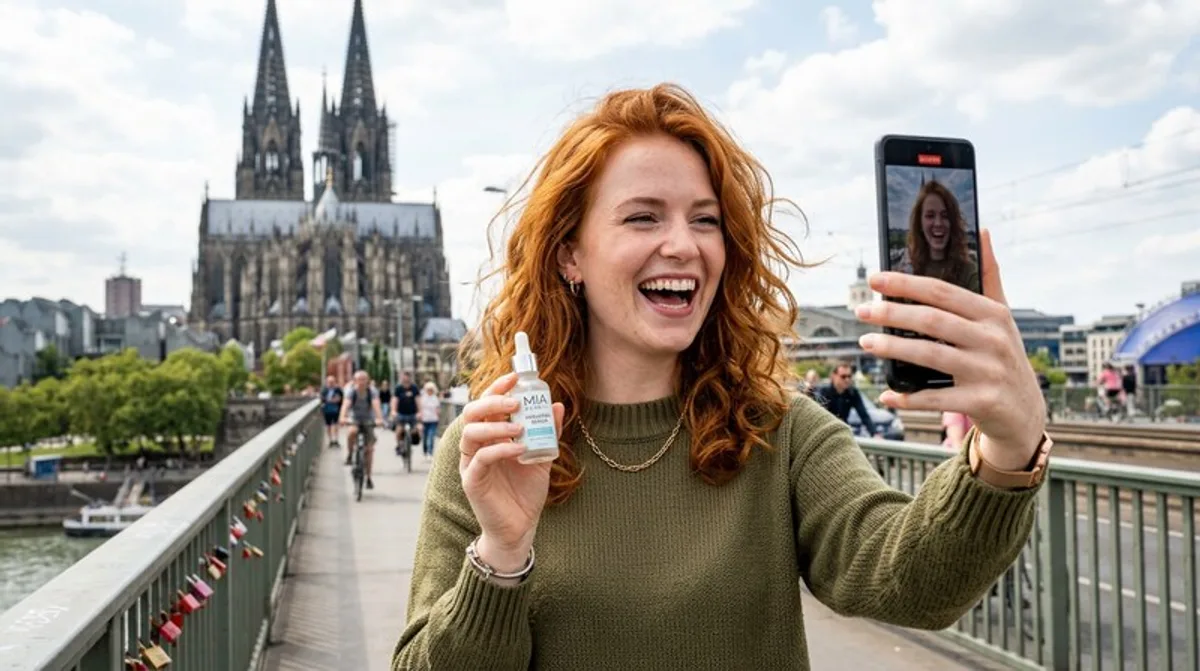
Baby food influencer marketing operates at the intersection of one of the most emotionally charged purchase categories in consumer retail and one of the most regulated. Parents choosing food for infants and toddlers are more deliberate, more research-oriented, and more skeptical of marketing claims than consumers in almost any other category. At the same time, the channels and creators that serve parenting audiences — mommy bloggers, parenting YouTubers, pediatric nutrition professionals — command genuine trust that brand advertising alone cannot access.
This guide covers the parenting creator ecosystem, platform strategy, COPPA compliance requirements, FDA infant formula regulations, the heavy metals disclosure context, pediatric dietitian creator premiums, rate tables, the "introducing solids" content format, and deal structures for baby food brands across segments.
Related: Influencer Marketing for Parenting Brands: Rates and Strategy for Baby, Kids, and Family Products, Influencer Marketing for Kids Brands: COPPA Compliance and Family Creator Rates
The Parenting Creator Ecosystem
Mommy bloggers and parenting lifestyle creators are the most established segment in baby and toddler food marketing. Creators who document their parenting journey — pregnancy, newborn feeding, solid food introduction, toddler nutrition, and general family life — have built audiences of parents who are at the same life stage and facing the same decisions. The credibility of a recommendation from a creator who is genuinely feeding the product to their own child is qualitatively different from brand advertising, and this is the core value proposition of parenting creator partnerships.
Parenting YouTubers produce long-form content that serves the research-intensive parent audience. Videos documenting solid food introduction stages, first food reactions, comparative reviews of baby food brands, organic versus conventional food analysis, and toddler meal planning attract parents who are willing to invest significant time in getting their child's nutrition right. YouTube parenting content is notable for its search durability — a "best first foods for 6 months" video can drive views and brand referrals for years after publication.
Pediatric dietitian and registered dietitian creators occupy the highest credibility tier in baby food influencer marketing. Creators with registered dietitian (RD) or registered dietitian nutritionist (RDN) credentials who focus on infant and toddler nutrition are uniquely positioned to make nutrition guidance claims that general lifestyle creators cannot. Their professional authority is particularly valuable for brands in the organic segment, for foods marketed for specific nutritional stages, and for any brand navigating the heavy metals and safety disclosure environment that has characterized the category since 2021.
New parent communities and first-time parent creators represent a valuable and underutilized segment. Creators who are transparently navigating parenthood for the first time — documenting their learning curve with solid food introduction, their comparison shopping process, and their evolving understanding of infant nutrition — authentically represent the research journey that most of their audience is on. This "figuring it out together" dynamic creates high engagement from audiences at the same stage.
Baby Food Market Segments and Creator Considerations
The baby food category includes several segments with distinct creator matching requirements.
Organic puree and pouch brands (Happy Baby, Plum Organics, Gerber Organic) target parents who have already self-selected into health-consciousness. Creator alignment with organic food values matters here — a creator who generally advocates for whole food, minimal processed food, or organic choices is more credible than a general lifestyle creator who does not have an established food philosophy.
Baby snack and finger food brands (Puffs, yogurt melts, teething crackers) represent the highest volume of influencer partnerships in the category. These products are easy to demonstrate in content — "introducing solids" videos and toddler snack reaction content perform consistently well. The accessible price point and broad age range applicability mean more creator types can authentically feature these products.
Infant formula brands operate under the strictest regulatory environment in the baby food category. FDA regulates infant formula as a food for special dietary use, with specific compositional requirements and prohibited health claims. Marketing that implies formula is superior to or equivalent to breast milk can trigger regulatory action. Brands in this segment need legal review of all creator content before publication, and creator briefs must explicitly address the breastfeeding claim prohibition.
Fresh and refrigerated baby food brands (Little Spoon, Serenity Kids, Cerebelly) target premium consumers who have moved beyond shelf-stable pouches. These brands align with the parenting creator segment that prioritizes transparency, ingredient quality, and nutrition science. Partnerships with pediatric dietitian creators who can speak to the nutritional density and quality differences of fresh versus shelf-stable options are particularly effective.
Baby Food Creator Rate Table
| Creator Tier | Followers | Instagram Post | Instagram Reel / TikTok | YouTube Integration | YouTube Dedicated |
|---|---|---|---|---|---|
| Nano | 1K – 10K | $75 – $250 | $100 – $350 | $200 – $500 | $400 – $900 |
| Micro | 10K – 100K | $350 – $1,800 | $450 – $2,500 | $1,000 – $4,500 | $2,000 – $8,000 |
| Mid-Tier | 100K – 500K | $1,800 – $6,500 | $2,500 – $9,000 | $4,500 – $18,000 | $9,000 – $30,000 |
| Macro | 500K – 1M | $6,500 – $18,000 | $9,000 – $25,000 | $18,000 – $45,000 | $30,000 – $75,000 |
Pediatric registered dietitian creators command a 2x to 4x premium above standard parenting creator rates for their tier, due to their ability to make evidence-based nutrition guidance claims that general creators cannot. Use the free calculator to model baby food campaign costs with creator tier and professional credential adjustments.
COPPA Compliance for Content Featuring Children
The Children's Online Privacy Protection Act (COPPA) applies to the collection of personal information from children under 13 but has important indirect implications for influencer marketing involving child subjects. Baby food content by definition often features infants and toddlers, and brands must understand the compliance context their creator partnerships operate within.
COPPA directly regulates platform behavior around users under 13, not creator content per se, but several compliance considerations apply to baby food brand campaigns. Platforms may restrict targeted advertising toward audiences likely to include children, which affects how sponsored posts are amplified. Brands collecting data from campaign landing pages must ensure their data collection practices comply with COPPA requirements if the audience includes parents whose children are identifiable in traffic patterns.
More practically, brands must be sensitive to how creator content featuring children is produced and used commercially. While parents can consent to their children appearing in creator content, brands that use creator content featuring identifiable children in paid advertising (as opposed to organic creator posts) need creator contract provisions addressing how children's images may be used in brand advertising contexts. Creator contracts should specify whether brand can whitelabel or boost creator content featuring children and should comply with state child actor laws applicable to children who appear in commercial content (California's Coogan Law and similar statutes in other states apply to minors earning income through commercial appearances).
FDA Infant Formula Regulations and Influencer Implications
FDA regulates infant formula under 21 CFR Part 107, with specific requirements for nutrient composition, manufacturing standards, and labeling. The regulatory implications for influencer marketing are primarily around claim prohibitions.
Brands cannot instruct creators to make comparative claims implying formula is nutritionally equivalent to or superior to breast milk — this is specifically prohibited in FDA labeling guidance and has been consistently enforced. Creator content must not suggest formula is "just as good as" breastfeeding or that choosing formula has no nutritional implications relative to breastfeeding. The WHO International Code on Marketing of Breast-milk Substitutes, while not US law, represents a global standard that many platform terms of service and major retailers incorporate into their own policies.
Health and development claims in formula marketing require substantiation. Statements that a formula "supports brain development," "promotes immunity," or "improves sleep" must be backed by clinical evidence. Creator content repeating these claims (drawn from product marketing) inherits the substantiation requirement — if a creator says the formula "helped my baby's brain development," the brand bears responsibility for ensuring that claim is substantiated.
Heavy Metals and Safety Disclosure Context
The 2021 congressional subcommittee report on heavy metals in baby food found that several major brands had internal standards for arsenic, lead, cadmium, and mercury that were significantly more permissive than FDA limits for other foods. The report created sustained negative media attention for conventional baby food brands and a significant commercial opportunity for brands with demonstrably stricter heavy metals testing standards.
Brands that have implemented independent third-party heavy metals testing and publish results have used this transparency as a competitive differentiator in creator marketing. Pediatric dietitian creators and health-conscious parenting creators have been receptive to partnering with brands that can demonstrate specific testing standards because it gives them credible evidence to share with an audience that is actively concerned about the issue.
Creator briefs for brands with strong testing standards should proactively address the heavy metals context — not as a scare tactic against competitors, but as factual evidence of the brand's commitment to safety standards. Providing creators with access to third-party testing data, Certificates of Analysis, and specific PPB limits for each heavy metal enables creators to make specific, evidence-backed statements rather than vague safety claims.
The "Introducing Solids" Content Format
The "introducing solids" content format is the most effective and consistently high-performing content format in baby food influencer marketing. Videos and posts documenting an infant's first experience with solid food capture genuine, unrepeatable moments of authentic baby reaction that drive massive organic engagement.
The format works for several reasons. Baby food introduction is a universally shared experience for parents of infants, creating a broad audience resonance that transcends niche community membership. The genuine baby reactions — surprise, enthusiasm, disgust, curiosity — are inherently entertaining and emotionally compelling. And the "this is real, this is my child's actual first time trying this food" context makes the product recommendation feel authentic rather than commercial.
Brands can maximize the effectiveness of this format by providing product for trial before content deadlines, giving creators freedom to document genuine reactions without scripting required outcomes, and not restricting the content to only positive reactions — mixed or funny reactions often outperform purely enthusiastic ones because they feel more authentic. The creative goal is documentation of a real experience, not production of an advertisement.
Platform Strategy for Baby Food Campaigns
Instagram is the primary platform for baby food brand awareness among millennial parents. Parenting content on Instagram covers a wide range of formats — feed posts for product photography and endorsement, Reels for introducing solids and reaction content, Stories for day-in-the-life feeding documentation and discount codes. The parenting community on Instagram is highly active in comments, with engaged audiences who ask product questions and share personal experiences.
YouTube serves parents in research mode. The platform's ability to host long-form content means that detailed reviews, comparison videos, pediatric dietitian explainers, and stage-by-stage feeding guides can reach parents precisely at the moment they are researching their decisions. Baby food YouTube content has unusually strong search traffic durability — parents at the "introducing solids" stage are searching the same questions year over year.
TikTok reaches younger parents (22-32) and first-time parents who are discovering parenting content in their early parenthood. The "baby's first food reaction" format thrives on TikTok and regularly generates viral distribution. The platform is better suited for awareness and product trial introduction than for the detailed nutrition information that converts more educated parent audiences.
Pinterest is an underutilized channel for baby food brands. Toddler meal planning content, first foods recipes, and baby food stage guides are consistently high-performing Pinterest categories with long content lifespans. Pinterest's search-driven discovery model and intent-focused audience make it effective for driving traffic to brand recipe and educational content.
For rate tables across all tiers, formats and platforms, see our influencer marketing pricing guides.
Frequently Asked Questions
Get the market rate for any creator — free
Enter followers, niche, and content type. Get an instant benchmark with CPM equivalent and fair/high/low verdict.
Open Rate Calculator →