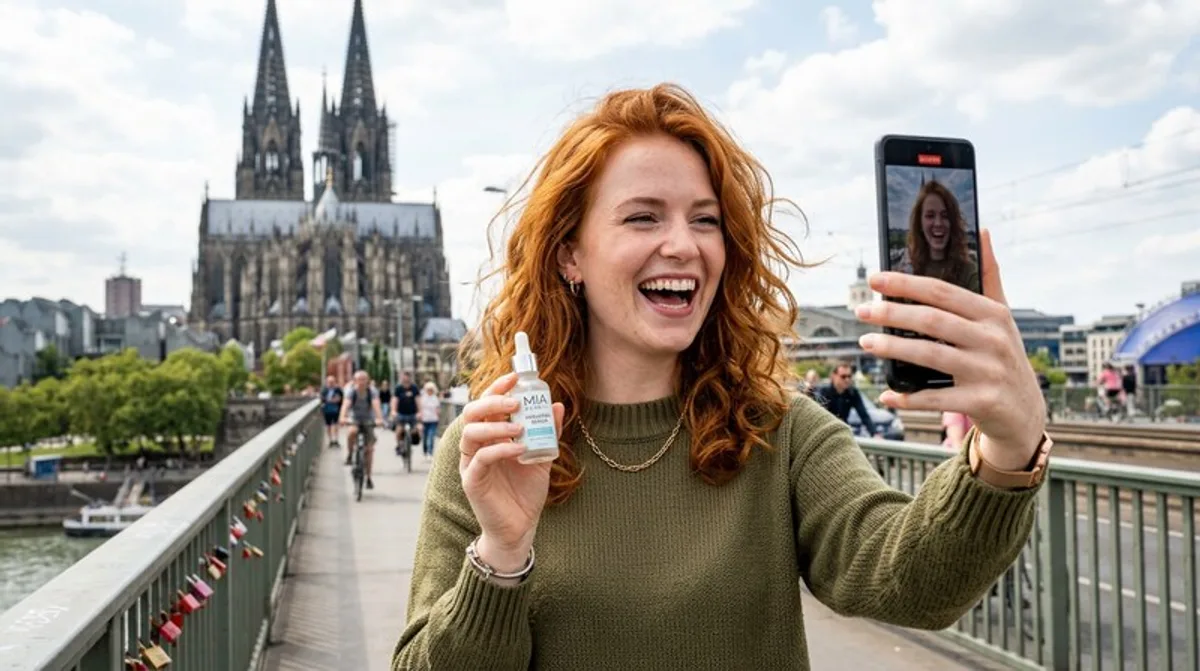
An influencer campaign brief is the operational document that sets the quality ceiling for everything a creator produces on behalf of your brand. The best campaign briefs reduce revision cycles, protect brand compliance, and give creators room to produce content that actually resonates with their audiences. The worst briefs create confusion, kill creator authenticity, and generate content that neither performs organically nor satisfies brand requirements. This guide covers the ten essential sections of a professional influencer campaign brief, common mistakes at both extremes, and how brief format should adapt by creator tier.
Why Briefs Determine Campaign Outcomes

Brands routinely attribute poor influencer campaign performance to the creators they hired. In practice, the root cause is usually the brief they sent. A creator cannot produce content that meets requirements no one specified. A creator cannot protect a brand's legal compliance if no one told them what claims were prohibited. A creator cannot deliver on time if no one explained when the approval window closes.
Related: Influencer Marketing Contract Guide: What Every Deal Must Include, Influencer Rate Card Template: What to Include in 2026
The relationship between brief quality and campaign performance is direct and measurable. Internal data from influencer marketing agencies consistently shows that campaigns with structured, detailed briefs require fewer revision rounds, deliver approved content closer to the original draft, and produce higher engagement rates — because content created with clear guidance on message and audience is more focused than content produced in ambiguity. Before setting your rate expectations with a creator, use our Instagram Analyzer to establish fee benchmarks, then invest proportionate time in the brief.
Brief vs. Contract: A Critical Distinction
Before covering brief structure, one distinction requires emphasis: a campaign brief is not a contract. These two documents serve entirely different purposes and should never be merged into one.
The brief is a creative and operational document. It tells the creator what to make, for whom, and by when. The contract is a legal document. It governs ownership of content, payment terms, penalties for non-delivery, exclusivity restrictions, and what happens if a legal issue arises. Both documents are necessary for professional influencer relationships. Embedding legal terms in a brief creates confusion about which document governs. Treating the brief as a contract leaves both parties without legal protection.
The 10 Essential Sections of an Influencer Campaign Brief

1. Brand Overview
A concise description of the brand — what it is, who it serves, and what makes it different. This section is not the place for a corporate history. It is context that helps the creator understand the brand's positioning so their content fits naturally within it. Two to three paragraphs is sufficient. For repeat partners who already know the brand well, this section can be abbreviated to a one-sentence reminder.
Template: "We are [brand name], a [category] brand that [core value proposition]. Our customers are [audience description]. Our key differentiator is [what makes the brand distinct]. Our overall brand tone is [2–3 descriptive adjectives]."
2. Campaign Objective
The single primary goal of this specific campaign. Brand awareness, product launch traffic, discount code redemptions, app installs, email sign-ups, and content acquisition for paid amplification are all valid objectives — but they require different content approaches. A brief that lists five objectives without ranking them produces content optimized for none of them. State one primary objective clearly and one secondary objective if relevant.
Template: "Primary objective: [single goal]. Success metric: [how results will be measured]. Secondary objective if applicable: [description]."
3. Target Audience
The specific audience segment this campaign is designed to reach through the creator's platform. Age range, gender skew, geographic focus, income range, and psychographic profile (interests, problems, purchase behaviors). The creator needs to understand who they are speaking to — not just their general follower base, but the specific subset of it this message is for. A 28-year-old running a skincare account has followers across multiple segments; knowing the brand wants to reach "women 35–50 beginning to use retinol for the first time" changes how the creator frames the content.
4. Key Messages
The two or three non-negotiable facts or claims the content must communicate. These are not scripts. They are the informational minimum the brand requires for the content to serve its purpose. Separate required messages from optional talking points that the creator may include if they fit naturally into their content style.
Template: "Required: [claim 1], [claim 2], [claim 3 if necessary]. Optional talking points the creator may use if relevant: [A], [B]."
5. Content Deliverables
Every deliverable specified by format, platform, quantity, duration, and technical requirements. An entry that reads "1 Instagram post" is under-specified. The correct entry reads: "1 Instagram Reel, 30–60 seconds, vertical 9:16 format, product visible within first 3 seconds, captions enabled, 1 Instagram Story swipe-up the day of posting." Full specification eliminates disputes about whether a deliverable was completed.
Template: "Deliverable 1: [format], [platform], [quantity], [duration], [technical specs]. Deliverable 2: [same structure]."
6. Mandatory Inclusions and Exclusions
What must appear in the content (FTC disclosure language, specific product names, CTA copy, required hashtags, brand handle tags) and what must not appear (competitor brand mentions, prohibited claims, restricted visual elements). This section is where legal and brand compliance requirements live. For skincare, pharmaceutical, financial services, and alcohol brands, this section requires legal review before the brief is sent.
FTC disclosure is mandatory for all paid creator partnerships. The brief must specify the exact disclosure language required: "#ad" or "#sponsored" placed prominently at the beginning of a caption, not buried after a line break. Verbal disclosure is required for video content where the post caption is not guaranteed to be read. Include sample disclosure language in every brief.
7. Tone and Style Guide
A concise summary of the brand voice requirements for this content — not the complete brand style guide, but the elements that are actually relevant to creator content. Three adjectives describing the brand tone, examples of language the brand uses and language it avoids, and any specific style notes relevant to the creator's format. For most campaigns, this section should be short: "conversational and authentic to your voice, factually accurate about the product, avoid clinical or medical language."
The most common brief mistake in this section is over-specification. Telling a creator to use specific phrases or deliver content in a way that does not match their natural style produces content their audience will immediately identify as scripted — and scripted content underperforms authentic content by every measurable metric.
8. Hashtags and Tags
Required handles to tag (brand account, campaign hashtag), suggested hashtags for discoverability, and any hashtags to avoid. This section is short by design. Requiring creators to use thirty hashtags or tag multiple brand sub-accounts creates cluttered captions that perform poorly algorithmically and feel promotional to audiences. Specify the mandatory minimum and offer optional additions.
9. Approval Timeline
The full timeline from brief delivery to content posting: draft submission deadline, brand review window, revision turnaround if changes are required, final approval sign-off, and live posting date or window. Industry standard is 48 to 72 hours for a brand to review draft content and provide consolidated feedback. Longer review windows drag out campaign timelines unnecessarily. Shorter windows give brands insufficient time for legal or compliance review when required.
Specify clearly how many revision rounds are included in the creator's fee. One or two rounds is standard for most campaigns. Additional rounds beyond what was agreed should trigger a conversation about whether the brief was sufficiently clear in the first place.
10. Payment and Usage Terms
Total fee, payment schedule (on delivery, net 30, split across deliverables), invoice requirements, and a summary of usage rights. For usage rights that extend beyond organic posting — paid social amplification, whitelisting, website embedding, email campaigns — state the intended use, duration, and geographic scope. Content used for paid amplification requires additional compensation above the organic posting fee. Including this in the brief, rather than requesting it after delivery, prevents post-campaign disputes about rights.
Over-Briefing: What It Looks Like and Why It Fails
Over-briefed content is immediately recognizable to audiences. Creators who have been given word-for-word scripts, precise visual directions, specific phrases to include, and prohibited vocabulary deliver content that sounds like a television commercial — because it has been produced under the same level of control as one. The problem is that an influencer's value proposition is not production value; it is the trust their audience has in their authentic voice. Over-control destroys that trust signal, and the resulting content underperforms the creator's organic content on every engagement metric.
Signs of over-briefing include: brief length exceeding four pages for a single piece of content, scripts provided rather than key messages, visual direction specifying shot angles and background settings, prohibition lists longer than five items, and approval criteria that measure compliance with brand language rather than content quality.
Under-Briefing: What It Looks Like and Its Cost
Under-briefed content creates its own problems. Without clear guidance on required claims, creators make statements the brand cannot legally support. Without clear platform and format specifications, creators deliver content in the wrong aspect ratio or wrong duration. Without FTC disclosure requirements, creators omit disclosures — a compliance risk for both creator and brand. Without a timeline, creators post at times that conflict with brand campaign schedules.
Under-briefing typically costs brands in revision cycles. Each revision round represents at least three to five days of elapsed time and erodes the creator relationship if the revision request reveals information the creator should have had from the start. Three revision rounds on a brief that should have been clear the first time can push a campaign posting date back by two weeks and create frustration on both sides that affects the quality of future collaborations.
Brief Length by Creator Tier
| Creator Tier | Followers | Recommended Brief Length | Tone | Detail Level |
|---|---|---|---|---|
| Nano | 1K–10K | Half page to 1 page | Conversational, direct | Product basics, disclosure, posting date |
| Micro | 10K–100K | 1–2 pages | Professional but approachable | Key messages, required claims, timeline |
| Mid-tier | 100K–500K | 2–3 pages | Professional | All 10 sections, usage rights specified |
| Macro | 500K–2M | 2–4 pages plus appendix | Formal | Full specification, legal review required |
| Mega / Celebrity | 2M+ | Negotiated with talent agent | Collaborative | Agent-mediated, co-developed creative concept |
Nano creators typically work with brands informally and respond best to briefs that feel like a genuine conversation about a product they might naturally love. A brief that reads like a corporate document will feel mismatched at this tier. Micro and mid-tier creators are increasingly professional in their operations and expect clear documentation. Macro and mega creator partnerships are managed by talent agents or managers who have their own content and approval process standards — expect the brief to be one input into a collaborative process, not the final word on content execution.
Approval Turnaround Time Standards
Forty-eight to seventy-two hours is the industry standard for brand content review and feedback turnaround. Brands that take longer create timeline problems for creators who have scheduled posting dates and audience expectations. Brands that require same-day approval create compliance risk by rushing review processes that need adequate time for legal sign-off.
Best practice is to designate a single point of contact for creator draft approvals — not a committee, not a shared inbox, not a process that routes through three departments before reaching someone with approval authority. Every additional stakeholder in the approval chain adds hours or days to turnaround time and increases the likelihood of conflicting feedback that confuses creators and delays posting.
For rate tables across all tiers, formats and platforms, see our influencer marketing pricing guides.
Establishing Creator Rates Before the Brief Payment Section Is Written
The payment and usage terms section of your brief (section 10) is only credible if the rate it cites is defensible against market data. Before writing any compensation figure into a brief, run the creator's profile through the Instagram Analyzer to get a market-benchmarked rate estimate based on their actual engagement rate, tier, and platform. A rate backed by data is harder for a creator to push back on than a rate backed by internal budget allocation — and it protects you from both overpaying for underperforming audiences and insulting high-quality creators with below-market offers.
When you are writing briefs for multiple creators on the same campaign and need to differentiate compensation by audience quality rather than applying a flat rate, the Profile Comparison Tool shows engagement scores and implied rates for multiple profiles side by side. Use it before finalizing any payment sections so each creator's brief reflects their individual market value, not a uniform number assigned across all candidates.
Frequently Asked Questions
Get the market rate for any creator — free
Enter followers, niche, and content type. Get an instant benchmark with CPM equivalent and fair/high/low verdict.
Open Rate Calculator →