
LinkedIn has emerged as the highest-CPM social platform in influencer marketing — not despite its professional context, but because of it. When a thought leader with 80,000 engaged followers posts about your SaaS product, they are reaching procurement managers, C-suite executives, and department heads who hold real buying authority. That audience quality is what makes LinkedIn creator partnerships command rates that often exceed Instagram for comparable reach. This guide covers everything brands need to know about LinkedIn creator rates: ecosystem overview, pricing by tier and content format, B2B use cases, ROI measurement, and deal structures that work in the LinkedIn context.
Use the Instagram Analyzer to benchmark any creator's rate before you start a negotiation.
Related: B2B Influencer Marketing Cost: LinkedIn, YouTube and Podcast Rates, Best Platforms for Influencer Marketing: Instagram vs TikTok vs YouTube vs Pinterest
The LinkedIn Creator Ecosystem
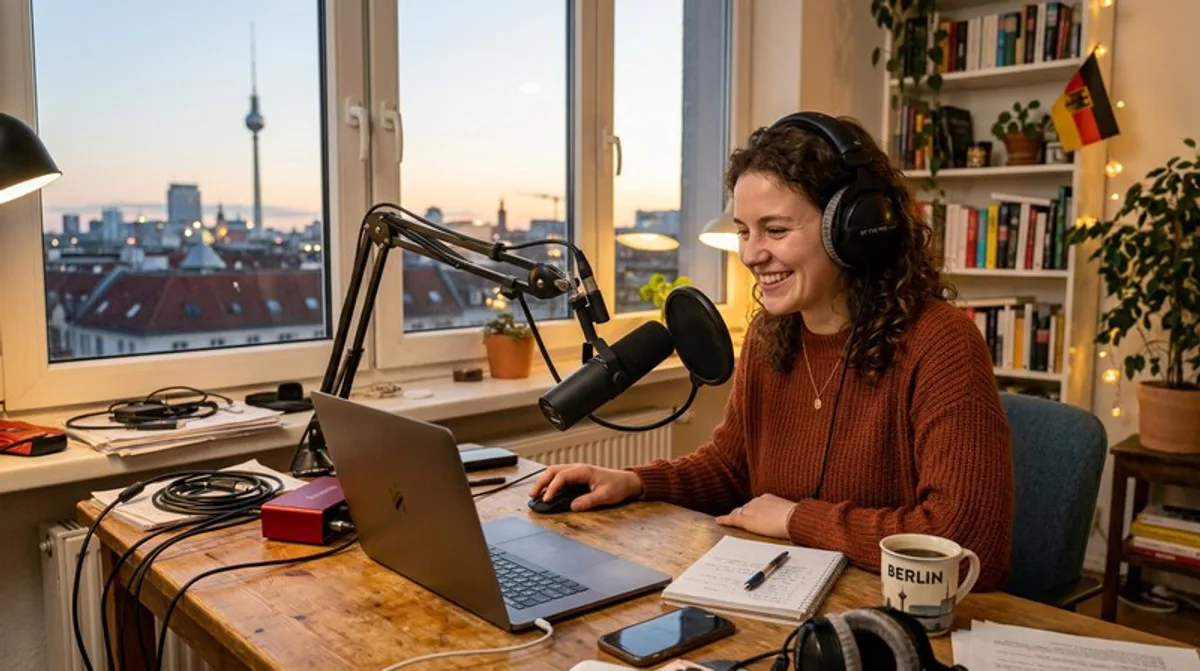
LinkedIn's creator landscape is fundamentally different from entertainment-first platforms. Creators are not primarily entertainers — they are practitioners, executives, and subject matter experts who have built audiences by sharing professional insight, career experience, and industry analysis. Understanding the ecosystem is the first step in building a LinkedIn influencer strategy that actually delivers.
Thought Leaders and Industry Experts
The most valuable LinkedIn creators are recognized authorities in their field. A chief marketing officer with 120,000 followers who consistently posts about demand generation strategy commands serious attention from an audience of marketing professionals. A venture capitalist sharing insights on startup fundraising reaches founders and aspiring entrepreneurs with high disposable income and business purchasing power. These thought leaders have earned their audiences through years of genuine professional contribution, which makes their endorsements credible in a way that celebrity-based influencer marketing rarely achieves. Rates for established thought leaders reflect this credibility premium and the difficulty of replacing their specific audience relationship.
B2B Professionals and Corporate Voices
A growing category of LinkedIn creators are mid-level professionals who document their work life, share tactical advice, and build audiences around specific functional expertise — sales professionals, HR practitioners, software engineers, marketers, and finance professionals. These creators often command lower absolute rates than top-tier thought leaders but deliver highly targeted audiences for relevant brands. A VP of Sales with 45,000 followers who posts about sales methodology daily reaches exactly the audience that a CRM software brand or sales training company needs to reach. The specificity of B2B professional creators is their core value proposition.
Company Pages vs Personal Profiles
A critical distinction in LinkedIn influencer marketing is the difference between personal profile creators and company page promotions. Personal profiles consistently outperform company pages in organic reach because LinkedIn's algorithm explicitly favors person-to-person content over branded broadcast content. Branded content partnerships on LinkedIn are almost always structured around personal profiles for this reason. When a creator posts sponsored content from their personal account, it reaches their network through standard feed distribution. When a company page posts the same content, organic reach is a fraction of the equivalent personal reach. This difference means that sponsored personal profile posts carry a significant premium over promoted company page content — and rightly so.
Why LinkedIn CPMs Are the Highest of Any Social Platform
LinkedIn CPMs in paid advertising consistently range from $40 to $100 per thousand impressions, compared to $6-15 on Facebook, $8-18 on Instagram, and $4-10 on TikTok. This premium exists for a single reason: audience quality. LinkedIn users are predominantly employed professionals with above-average household incomes. The platform's own research consistently shows that LinkedIn audiences over-index on household income above $75,000, college education, and professional decision-making authority. For B2B brands selling software, services, or professional tools with deal values of $10,000 or more, reaching 1,000 LinkedIn users is worth dramatically more than reaching 1,000 users on a general entertainment platform. Influencer rates on LinkedIn reflect this same audience quality premium — brands are paying for access to a professional audience that makes enterprise purchasing decisions.
LinkedIn Creator Rate Table by Follower Tier

The following rates represent current market pricing for LinkedIn creator partnerships. Rates assume a single sponsored post or article on a personal profile, standard 90-day usage rights, and 30-day category exclusivity. Engagement rate, audience seniority, and niche specificity all influence where within these ranges a specific creator will fall.
| Tier | Followers | Text Post | Article | Video Post | Carousel/Document | LinkedIn Live |
|---|---|---|---|---|---|---|
| Nano | 1K – 10K | $150 – $500 | $200 – $700 | $300 – $800 | $250 – $700 | $500 – $1,500 |
| Micro | 10K – 50K | $500 – $3,000 | $700 – $4,000 | $800 – $5,000 | $700 – $4,500 | $1,500 – $6,000 |
| Mid-Tier | 50K – 200K | $3,000 – $12,000 | $4,000 – $15,000 | $5,000 – $18,000 | $4,500 – $16,000 | $6,000 – $20,000 |
| Macro | 200K – 500K | $12,000 – $35,000 | $15,000 – $45,000 | $18,000 – $55,000 | $16,000 – $50,000 | $20,000 – $60,000 |
| Mega/Celebrity | 500K+ | $35,000+ | $45,000+ | $55,000+ | $50,000+ | $60,000+ |
LinkedIn Content Formats and Rate Differences
LinkedIn supports multiple content formats, each with different production requirements, audience behavior, and pricing norms. Understanding what you are buying matters before you negotiate.
Text Posts
Text posts are the backbone of LinkedIn content strategy. A well-written text post from a credible creator can generate thousands of reactions and hundreds of comments — often outperforming visual content from the same creator. Sponsored text posts typically include a first-person narrative that incorporates the brand, a mention of the product or service in context, and a closing CTA. Because text posts have lower production cost, they are priced at the lower end of the format range. However, the engagement rates on strong text posts can exceed those of video or visual content, making the effective CPE (cost per engagement) favorable.
LinkedIn Articles
LinkedIn Articles (formerly Pulse) are long-form written content published directly on the platform. Articles index on Google search results, which gives them extended shelf life beyond the initial post window. A sponsored article from a 75,000-follower industry expert can continue to drive traffic and brand impressions for months after publication. Article rates are 20-40% higher than text post rates to reflect the additional writing effort and the SEO value of long-form published content. For B2B brands that want to establish category authority, sponsored articles that the creator genuinely co-authors provide the most credible outcome.
Video Posts
LinkedIn video earns the highest organic reach of any format on the platform according to LinkedIn's own data — the algorithm consistently promotes video content more aggressively than static posts. Sponsored video on LinkedIn typically takes the form of a 2-5 minute creator-narrated piece that addresses a professional challenge and integrates the brand as part of the solution. Video production requirements — scripting, filming, editing — drive rates 30-50% above equivalent text post rates. For brands that can invest in longer video, LinkedIn video ads boosted with paid spend on top of organic creator reach represent one of the most effective B2B awareness tactics available.
Carousel and Document Posts
Carousels and document posts (PDFs uploaded as swipeable slide decks) have become one of LinkedIn's highest-engagement formats. Creators publish 10-20 slide educational frameworks, industry reports, or tactical guides that audiences swipe through and save. The "save" behavior on LinkedIn is particularly valuable — saves signal content that users return to, which extends the content's lifespan in the algorithm. Brands integrate into carousel content by sponsoring an educational piece where the brand's product or methodology is naturally featured as a tool or resource. Carousel rates are similar to video post rates due to the design production effort involved.
LinkedIn Live
LinkedIn Live is the platform's live streaming feature, available to creators who meet follower and engagement thresholds. Live sessions include interviews, panel discussions, product launches, and thought leadership conversations. Sponsored LinkedIn Live events are priced as premium placements because of the real-time audience engagement they generate. A creator hosting a live session where your product is demonstrated or your executives appear typically generates significantly more qualified leads than a standard post. LinkedIn Live rates include both the creator's time for the live session itself and the pre/post promotional content that drives attendance.
B2B Brand Use Cases for LinkedIn Creator Marketing
LinkedIn influencer marketing is not appropriate for every brand — it delivers outsized results for specific B2B categories where the audience's professional context is directly relevant to the purchase decision.
SaaS and Business Software
SaaS brands are the single largest category of LinkedIn influencer marketing spenders. Software products that target business users — CRMs, project management tools, HR platforms, marketing automation, financial software, and analytics tools — reach their exact buyer persona through LinkedIn creators. A productivity software brand that sponsors a content series with a mid-tier LinkedIn creator known for workflows and systems thinking reaches 50,000-200,000 professionals who actively manage exactly the type of work the software addresses. The B2B SaaS CAC (customer acquisition cost) for enterprise products can easily justify $15,000-50,000 creator fees when the LTV of a single converted customer is $10,000-100,000+.
Recruitment and HR
Recruitment firms, HR tech companies, and talent platforms are natural LinkedIn creator partners. The platform is literally built around employment — job searching, talent acquisition, and professional development are core user behaviors. Recruitment brands partnering with HR professionals and career coaches reach audiences who are either job seekers, hiring managers, or HR practitioners, making the targeting essentially perfect. LinkedIn creator partnerships in recruitment tend to be structured as content series rather than one-off posts because the audience relationship requires sustained trust-building before action.
Professional Services and Consulting
Management consulting firms, accounting firms, law firms, and specialized professional service practices use LinkedIn creator partnerships to build brand reputation among decision-makers. Professional services clients make vendor selection decisions over months, not minutes — the goal of creator partnerships in this category is brand familiarity and perceived expertise, not direct response. A corporate law firm sponsoring a creator who covers M&A deal structures plants their name in front of CFOs and business development executives who will eventually need exactly those legal services. The ROI measurement for professional services LinkedIn campaigns is typically measured in pipeline attribution over a 6-12 month window rather than immediate conversions.
Finance and Fintech
Financial services brands — wealth management, corporate banking, commercial insurance, and B2B fintech — find LinkedIn's audience profile highly attractive. The concentration of business owners, CFOs, and finance decision-makers on LinkedIn makes it the natural platform for financial product promotion targeting business buyers. Compliance requirements in financial services (discussed below) add friction to LinkedIn influencer campaigns in this category but do not eliminate the value proposition.
LinkedIn Audience Demographics: Why the Premium Is Justified
LinkedIn reports over 1 billion registered users globally, with approximately 180-200 million in the United States. More importantly for B2B brands, LinkedIn's user base over-indexes dramatically on professional and economic indicators that matter for business purchasing. Studies consistently show that 4 out of 5 LinkedIn members drive business decisions at their organizations. The platform's user base includes more than 65 million senior-level influencers and more than 10 million C-suite executives. Median household income for LinkedIn users in the US exceeds $75,000, well above the general social media average. For brands selling to businesses rather than consumers, this demographic concentration is unique — no other social platform delivers comparable density of business decision-makers.
LinkedIn vs Instagram for B2B Campaigns
When B2B brands consider LinkedIn vs Instagram for creator partnerships, the choice is not simply about platform preference but about what the campaign is designed to achieve.
LinkedIn delivers dramatically higher audience quality for professional targeting but at higher CPM. Instagram delivers broader reach at lower absolute cost but with audience profiles that are less relevant for B2B purchases. A $20,000 LinkedIn creator partnership reaching 200,000 business professionals delivers a $100 CPM — expensive by mass media standards but potentially extremely efficient if even 0.1% of that audience converts over a 90-day sales cycle into enterprise customers. The same $20,000 on Instagram might reach 2 million users at a $10 CPM, but if only 5% of that audience is even tangentially relevant to the brand, the effective CPM for qualified impressions is similar to LinkedIn, with lower conversion quality because the context is entertainment rather than professional mindset.
The professional mindset effect is real and measurable. Users browsing LinkedIn are typically in a professional decision-making frame of mind. They are thinking about their business, their industry, and their career. This cognitive context makes them more receptive to professional product claims and business tool endorsements than when they encounter the same content in an entertainment context on Instagram. LinkedIn's own conversion studies show 2x higher conversion rates for equivalent targeted audiences compared to other social platforms for B2B products.
LinkedIn Influencer Deal Structures
LinkedIn deals are structured differently from entertainment platform creator partnerships. The professional context changes what works and what creators will agree to.
Single sponsored posts are the most common entry point for brands testing LinkedIn influencer marketing. A single text post or carousel from a relevant creator provides an initial gauge of audience response without a large budget commitment. Single post deals typically include one round of revisions, basic brand asset usage rights for the creator's own resharing, and a 30-day exclusivity window.
Content series structures are strongly preferred for B2B brands because a single post rarely delivers the recall and consideration lift that professional services and software brands need. A 3-6 month content series with 2-4 posts per month from the same creator builds the brand association more effectively than multiple one-off placements with different creators. Series deals also typically deliver rate discounts of 15-25% compared to equivalent single-post pricing, making them more cost-efficient for brands with sustained investment appetite.
LinkedIn Live co-hosted events are a premium deal structure where the creator hosts a live session featuring brand representatives, industry experts, or product demonstrations. Live events require significant pre-campaign content promotion and careful scripting to land authentically in the professional context. The fully-loaded cost of a LinkedIn Live event partnership — including creator fee, promotional posts, and preparation time — typically runs 2-3x the cost of an equivalent video post.
Compliance Considerations for B2B Regulated Industries
LinkedIn influencer marketing in regulated industries — financial services, legal, pharmaceutical, healthcare, and government contracting — carries compliance requirements that add both cost and process complexity. FTC disclosure rules apply equally to LinkedIn as to any other platform: sponsored posts must be clearly identified as paid partnerships. The professional context of LinkedIn actually increases scrutiny on disclosure because professional recommendations carry implied endorsement weight. Financial services brands must ensure that creator claims about financial products do not violate securities regulations or make implied performance promises. Pharmaceutical companies must adhere to FDA social media guidelines, which typically prohibit influencer promotion of prescription products without extensive risk disclosure that is incompatible with most social media formats. Building compliance review into the influencer content approval process adds 1-2 weeks to campaign timelines and typically requires legal sign-off before any sponsored content is published.
How LinkedIn Influencer ROI Is Measured
The fundamental difference between LinkedIn influencer ROI measurement and entertainment platform measurement is that LinkedIn success is measured in leads and pipeline, not likes and views.
B2B brands track LinkedIn creator campaign performance through a combination of link tracking (UTM parameters), form fills (LinkedIn Lead Gen Forms are uniquely effective in this context), and pipeline attribution in CRM systems. When a creator post drives a prospect to download a whitepaper, attend a webinar, or request a demo, the brand can trace that lead back to the specific creator post that initiated the journey. This direct attribution capability makes LinkedIn creator ROI more measurable than brand awareness campaigns on entertainment platforms.
Advanced LinkedIn measurement frameworks include pre/post brand awareness surveys among the creator's audience to measure recall and sentiment lift, CRM opportunity tracking to associate closed deals with specific creator-sourced leads, and retargeting pool growth measurement (users who visited the brand's site after seeing the creator's content can be retargeted with LinkedIn paid ads). The most sophisticated B2B brands running LinkedIn creator programs measure 90-day pipeline contribution — the total dollar value of sales opportunities that originated from creator-sourced leads — and calculate return on investment against that pipeline value rather than against campaign cost alone.
For rate tables across all tiers, formats and platforms, see our LinkedIn influencer rates guide.
Grounding B2B Creator Budgets in Engagement-Adjusted Rate Data
LinkedIn rates sit at a significant premium to Instagram — which makes the cross-platform rate comparison important when creators are active on both channels or when B2B budgets span multiple platforms. The Instagram Analyzer generates an engagement-adjusted rate for any Instagram creator profile, providing the reference point for campaigns that include both LinkedIn thought leadership and Instagram amplification. That baseline keeps the total multi-channel budget calibrated to actual creator value rather than platform-inflated expectations.
When evaluating multiple LinkedIn creator candidates for B2B campaigns — comparing which creator's professional audience composition and engagement history most justifies the investment at a given follower count — the Profile Comparison Tool shows engagement scores and implied rates side by side. The comparison makes the creator selection decision data-driven before any pipeline expectation is set.
Frequently Asked Questions
Get the market rate for any creator — free
Enter followers, niche, and content type. Get an instant benchmark with CPM equivalent and fair/high/low verdict.
Open Rate Calculator →