
Luxury fashion brands operate under fundamentally different rules when it comes to influencer marketing. The strategies that drive results for mass-market fashion — wide creator nets, high posting frequency, product gifting at scale — can actively damage a luxury brand. Brand equity, aesthetic consistency, and the perception of exclusivity are the assets being protected and leveraged simultaneously. A single misaligned creator partnership can erode years of carefully built brand positioning.
This guide covers the luxury fashion creator ecosystem, rate structures, product gifting economics, exclusivity requirements, content standards, and the continuing role of celebrities in luxury brand strategy.
Related: Fashion Influencer Rates 2026: What Apparel and Luxury Brands Pay Creators, Influencer Marketing for Home Brands: Rates and Strategy for Furniture, Decor, and Household Products
The Luxury Fashion Creator Ecosystem
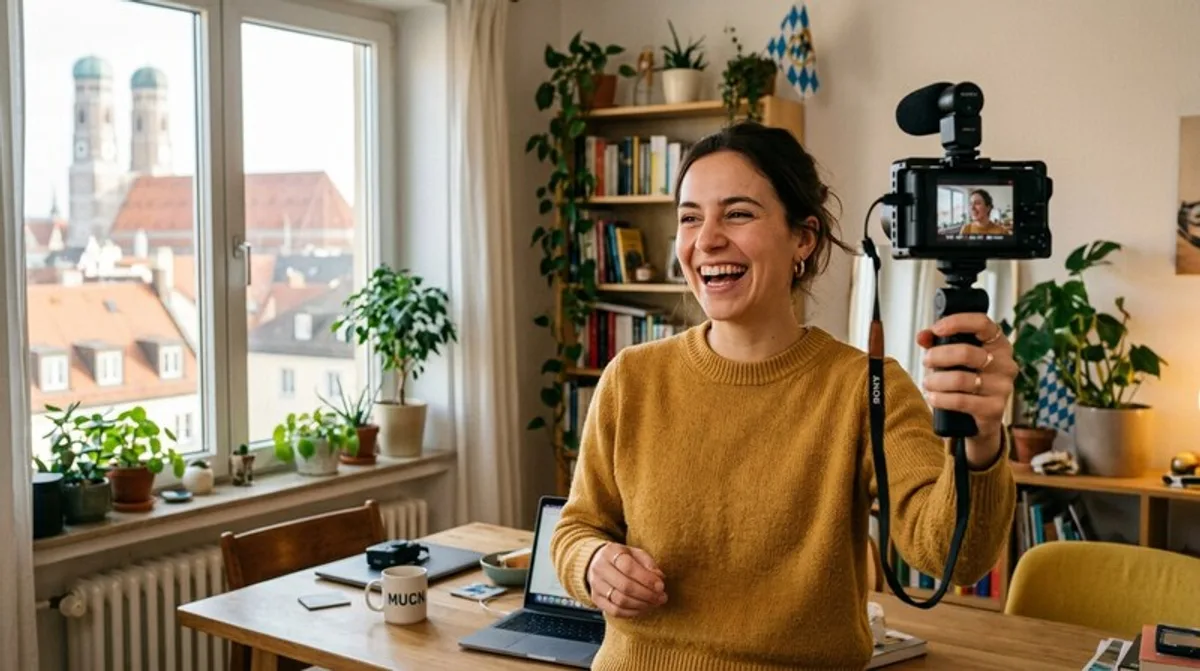
Not every fashion creator is suitable for luxury positioning. Luxury brands work with a narrower subset of the creator landscape, selected based on aesthetic quality, audience demographics, lifestyle alignment, and content production values.
Fashion Week Coverage Creators
Creators with front-row access and established relationships with the fashion press circuit. Their content covers runway shows, backstage access, and exclusive event coverage. High credibility within the fashion community. These creators command premium rates because their audience includes industry insiders alongside affluent consumers. Primarily Instagram-dominant with supplementary YouTube vlogs.
Styling Creators with Premium Aesthetic
Mid-tier to macro creators whose entire feed demonstrates luxury-appropriate aesthetic: high production photography, sophisticated styling, premium locations. These creators are the workhorses of luxury fashion influencer programs. They have engaged audiences of affluent consumers who aspire to their lifestyle. The key qualifier is aesthetic consistency — every post in their history must reinforce the premium positioning, not undermine it.
Luxury Haul and Review Creators
YouTube-dominant creators who provide detailed reviews of luxury purchases — quality assessment, brand comparison, value analysis. Audience is highly research-oriented and purchase-intent. Strong for brands seeking to justify premium price points and highlight craftsmanship. Less common for top-tier luxury (Louis Vuitton, Chanel) but very effective for accessible luxury ($500–$2,000 price point brands).
Lifestyle Creators with Demonstrated Luxury Affinity
Travel, food, and general lifestyle creators who naturally feature luxury consumption in their content — five-star hotels, fine dining, luxury vehicles. These creators add context to fashion features because their audience is primed for premium content across all categories. Requires careful vetting to ensure the luxury lifestyle is authentic to the creator, not aspirational theater.
Why Luxury Fashion Requires a Different Influencer Strategy
Several factors distinguish luxury fashion influencer marketing from mass-market fashion campaigns:
- Brand equity risk: Pairing a luxury brand with a creator known for fast fashion hauls, discount codes, or mass-market brand deals creates immediate brand equity damage. The association is permanent — screenshots and reshares persist long after a post is deleted.
- Authenticity of luxury lifestyle: Audiences are sophisticated enough to recognize when a creator's luxury content is paid versus genuinely lived. A creator who posts a $5,000 handbag feature in an apartment that signals a $40,000 annual income reads as inauthentic and reflects poorly on the brand.
- Content production values: Luxury fashion content must meet editorial photography standards. A poorly lit, casually shot product photo is worse than no post at all for most luxury brands.
- Exclusivity perception: Luxury derives value partly from selectivity. A creator who features six competing luxury brands in the same week diminishes the perceived exclusivity of each partnership.
Creator Tier Preferences for Luxury Fashion

Luxury brands work differently across creator tiers compared to mass-market fashion. Nano and early micro creators are rarely appropriate due to the aesthetic requirements and audience demographics. Mid-tier is the minimum entry point for most luxury brands, with macro and mega tiers preferred for hero campaigns.
| Creator Tier | Followers | Instagram Post Rate | Reel Rate | Luxury Brand Fit |
|---|---|---|---|---|
| Micro | 10K – 100K | $300 – $2,500 | $500 – $3,500 | Limited — only if aesthetic is exceptional |
| Mid-Tier | 100K – 500K | $2,500 – $8,000 | $3,500 – $12,000 | Good — established aesthetic, targeted audience |
| Macro | 500K – 1M | $8,000 – $25,000 | $12,000 – $35,000 | Preferred — reach + credibility |
| Mega | 1M – 5M | $25,000 – $80,000 | $35,000 – $100,000 | Hero campaigns, fashion week coverage |
| Celebrity | 5M+ | $100,000+ | $150,000+ | Top-tier luxury brand building |
Luxury fashion brands typically pay above standard rates for even mid-tier creators due to the premium positioning of the brand and the quality of content production required. Use the free calculator as a starting benchmark before adjusting upward for luxury category premiums.
Product Gifting Economics in Luxury Fashion
Product gifting in luxury fashion operates at a fundamentally different scale than other categories. Where a beauty brand gifts a $50 product, a luxury fashion brand may gift a $2,000 handbag, a $1,500 pair of shoes, or a $5,000 dress. This gifting cost is real COGS and must be factored into campaign budgeting.
Standard gifting approaches for luxury fashion creators:
- Gift only (micro creators with luxury aesthetic): Gifting a $500–$1,500 item without a cash fee is acceptable for smaller creators who are building their brand's relationship with the luxury house. The item's value must be clearly significant relative to the creator's normal purchasing behavior to feel genuine.
- Gift plus fee (mid-tier creators): Gifting a key item ($1,000–$3,000) combined with a creator fee ($2,000–$8,000) for dedicated content. Total deal value of $3,000–$11,000 is standard for this tier.
- Full paid partnership with product loan (macro/mega): Macro and mega creators often receive products on loan for shoots, with ownership negotiated separately. The full partnership fee ($15,000–$80,000+) covers content creation, posting, and the creator's time — product loan or gifting is separate.
Exclusivity Requirements in Luxury Fashion
Exclusivity is non-negotiable for most luxury brands. Category exclusivity — preventing a creator from working with competing luxury brands during and after the campaign window — is a standard contract term.
Standard exclusivity terms in luxury fashion:
- During campaign: Creator cannot post content featuring competing luxury brands while the brand's campaign is active
- 30-day exclusivity window: Standard post-campaign protection period for smaller deals
- 90-day exclusivity: Common for hero campaigns and fashion week partnerships
- 180-day exclusivity: Reserved for major brand ambassador arrangements with significant compensation
Exclusivity commands a premium. A 30-day category exclusivity typically adds 20–30% to the base creator fee. A 90-day exclusivity for a top macro creator can add $10,000–$30,000 to the deal cost beyond standard post fees. This cost is appropriate and necessary for brands where competitive association would cause material brand damage.
Content Format Preferences in Luxury Fashion
Luxury fashion brands are highly prescriptive about content format and production quality. This is not micromanagement — it is brand protection.
| Content Format | Suitability for Luxury | Notes |
|---|---|---|
| Editorial photography (feed post) | Highest | Professional lighting, styled location, brand-approved aesthetic |
| Styling video (Reel / YouTube) | High | Production quality must match brand standards; casual filming unacceptable |
| Fashion week coverage | High | Context of luxury events reinforces brand positioning |
| TikTok casual video | Low to Medium | Only for younger luxury demographic; requires careful tone calibration |
| Stories / casual content | Low | Only appropriate as secondary content alongside polished primary posts |
| Unboxing / haul content | Low for top tier | Better fit for accessible luxury than ultra-premium brands |
Platform Preferences for Luxury Fashion
Platform selection for luxury fashion campaigns should reflect where the target consumer spends time and what content format best serves the brand.
- Instagram: The primary platform for luxury fashion influencer content. The visual-first format, aspirational audience, and established fashion creator ecosystem make Instagram the default choice. Reels for reach, feed posts for brand equity, Stories for campaign activation.
- YouTube: Valuable for in-depth collection reviews, style guides, and fashion week recap content. YouTube's longer format allows creators to genuinely explore craftsmanship, design details, and styling versatility — content that justifies luxury price points.
- TikTok: Appropriate for luxury brands targeting younger consumers (Generation Z affluent buyers), but requires a fundamentally different creative approach. Ultra-premium heritage brands (Hermès, Chanel) typically avoid TikTok. Contemporary luxury brands (Alexander Wang, Bottega Veneta) use it strategically for cultural relevance.
- Pinterest: Excellent for long-tail discovery and style inspiration, though less commonly used for paid creator partnerships in luxury fashion. Organic brand presence is valuable; paid influencer content is less developed here.
The Approval Process in Luxury Fashion
Luxury brands maintain tighter creative control than virtually any other category. Brands must plan campaign timelines around this reality:
- Brief approval: Detailed brand guidelines, approved location lists, mandatory styling requirements, prohibited content elements — all must be provided upfront
- Concept approval: Creator's planned content concept approved before shooting begins
- Content review: All content submitted for brand review before posting — typically 5–10 business days for review
- Revision rounds: Luxury brands commonly require 2–3 revision rounds; this must be reflected in creator fees and project timelines
- Caption approval: Caption copy reviewed and approved, not just visual content
A luxury fashion campaign that would take 3 weeks to execute for a mass-market brand typically requires 6–10 weeks for a luxury brand. Brief creators on this timeline explicitly and compensate them for revision rounds upfront to avoid scope disputes.
Celebrity vs. Influencer for Luxury Fashion
Despite the rise of influencer marketing, celebrities (actors, musicians, athletes) continue to dominate the top tier of luxury fashion partnerships. The reasons are structural:
- Cultural authority: Celebrities bring cultural authority that even mega-influencers rarely match for heritage luxury brands
- Press amplification: Celebrity sightings in luxury brands generate earned media in fashion publications and entertainment news — a multiplier that influencer posts do not create at the same scale
- Red carpet presence: Awards seasons, film festivals, and major events provide high-impact organic placement
- Global brand ambassadorships: For luxury brands, a global celebrity ambassador (typically $1M–$10M+ per year in total compensation) serves as a consistent visual identity anchor across all markets
Influencers complement celebrity strategy for luxury brands by handling the mid-funnel work — social content between campaign moments, regional creator programs, and digital-native audience engagement. The two tiers serve distinct roles and are rarely in direct competition for budget allocation.
For rate tables across all tiers, formats and platforms, see our influencer pricing by niche benchmarks.
Frequently Asked Questions
Get the market rate for any creator — free
Enter followers, niche, and content type. Get an instant benchmark with CPM equivalent and fair/high/low verdict.
Open Rate Calculator →