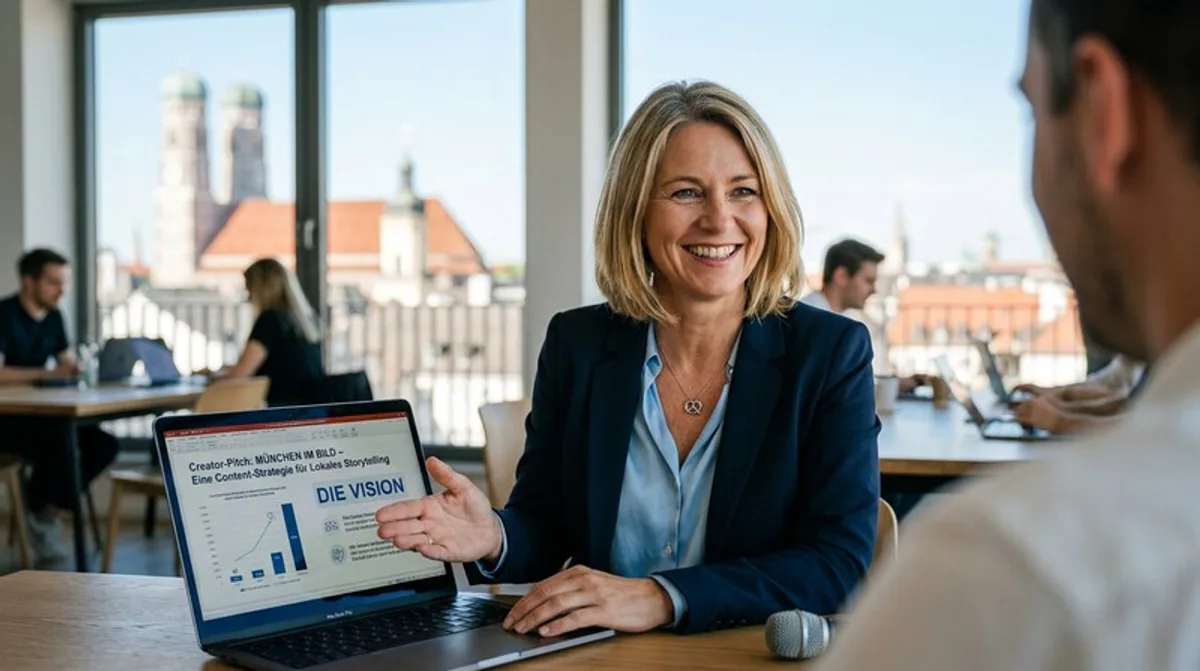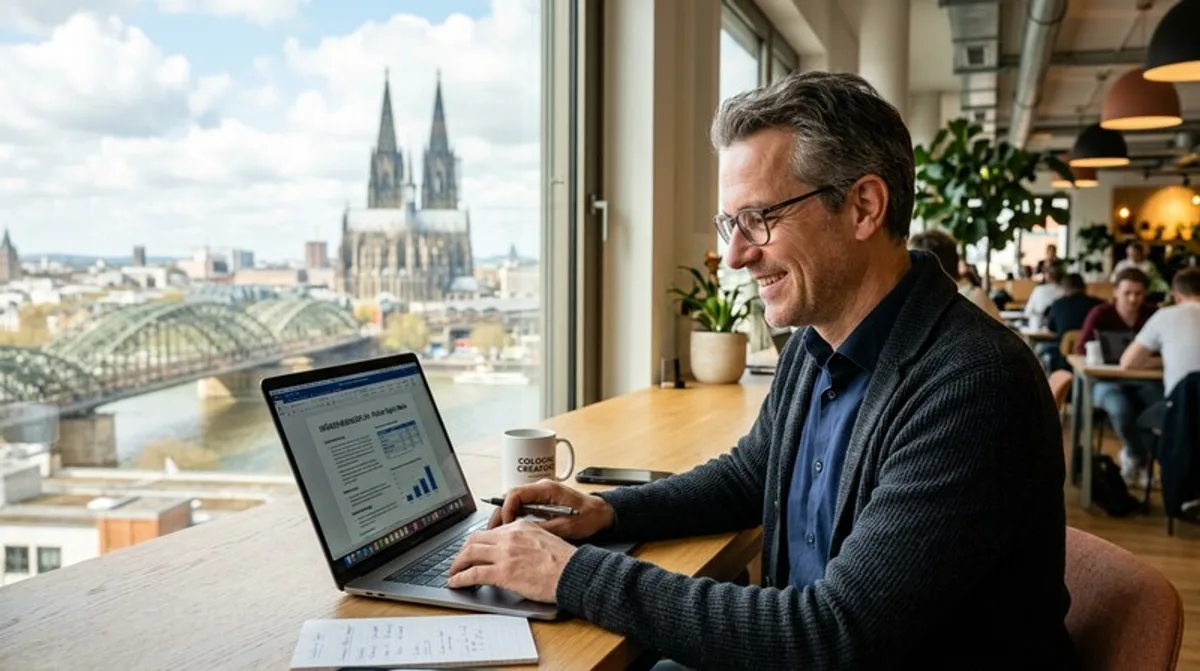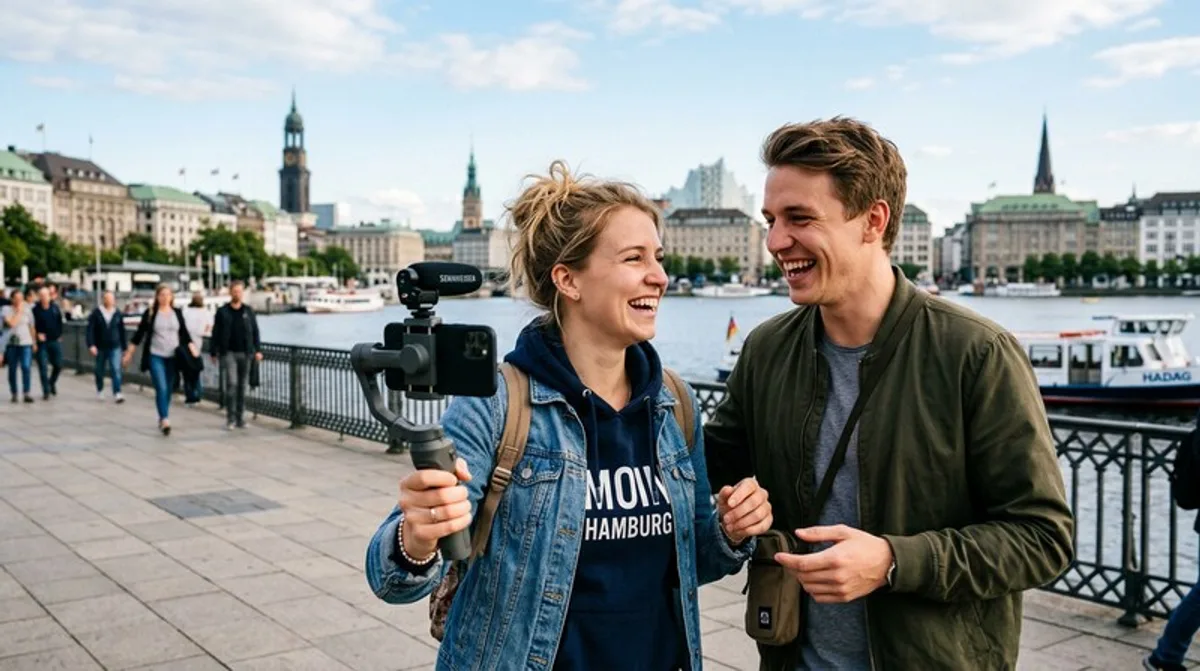
National influencer marketing campaigns make headlines, but some of the most cost-effective influencer programs are running at the local level — restaurants, salons, gyms, retail shops, and service businesses using hyper-local creators to drive foot traffic and fill appointment books. Local influencer marketing is a fundamentally different discipline than national campaign execution, with different creator ecosystems, different deal structures, different success metrics, and much lower budgets.
This guide covers everything a local business owner or regional marketing manager needs to know to build an effective local influencer program — from finding the right creators to measuring whether the investment is working. Use our free calculator to estimate what local creators in your area typically earn per post.
Related: Influencer Pricing by Follower Count: Complete Rate Table for Every Tier, Micro Influencer Campaign Guide: How to Run a Successful Creator Program
Why Local Influencer Marketing Is Different from National Campaigns

The core challenge of national influencer marketing — reaching enough of the right people — does not apply at the local level in the same way. A restaurant in Denver does not need to reach audiences in New York or Los Angeles. Ninety percent of the ideal audience lives within 15 miles of the restaurant. This hyper-local targeting requirement changes everything about how the campaign should be structured.
National campaigns optimize for scale and broad awareness. Local campaigns optimize for geographic concentration and intent. A creator with 500,000 followers spread across the country is worth far less to a local business than a creator with 15,000 followers where 80% live in the same city. National creator platforms and their follower counts are largely irrelevant for local applications — audience geography is the primary qualification criterion.
The practical implication: local businesses should stop looking at national creator databases and focus on community-native discovery. The best local influencer for a Brooklyn bakery might be a food blogger with 8,000 Instagram followers who has covered every notable café opening in the borough for three years. Her audience converts for local food businesses at a rate no national celebrity endorsement can match.
The Local Creator Ecosystem
Every mid-sized city and most smaller towns have a functioning local creator ecosystem that most businesses have never mapped. The categories to look for include:
City-specific lifestyle bloggers: Creators who cover local events, restaurant openings, neighborhood culture, and city life. Often have small but intensely local audiences built over years.
Local food and restaurant reviewers: Food influencers who document every notable dining experience in a region. These creators often have audiences that actively seek their recommendations before choosing where to eat.
Regional fitness and wellness creators: Yoga instructors, personal trainers, and wellness coaches who build Instagram or TikTok audiences around their local client base and regional lifestyle content.
Local parents and family bloggers: In most cities there are active parent creator communities on Facebook, Instagram, and local forums. These audiences respond strongly to family-friendly local business recommendations.
Community event creators: People who document local festivals, markets, concerts, and community events. These creators often have genuine community credibility that extends to business recommendations.
Neighborhood-specific accounts: Instagram accounts dedicated to specific neighborhoods ("Things to Do in Capitol Hill," "Best of the French Quarter") that curate local experiences for residents and visitors.
How to Find Local Micro and Nano Creators
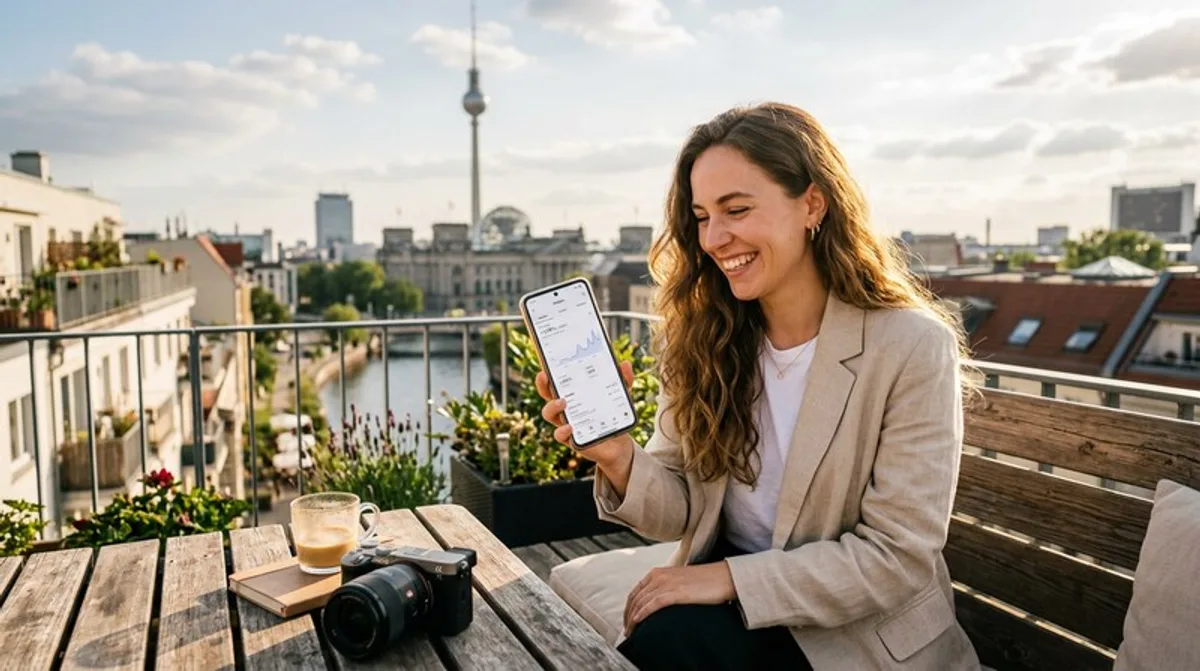
Standard influencer discovery platforms are built for national scale and are largely ineffective for local search. More effective local discovery methods include:
Location hashtag research: Search Instagram and TikTok for hashtags like #[CityName]Food, #[CityName]Eats, #[CityName]Lifestyle, #[NeighborhoodName]. Accounts that consistently produce highly-engaged content under these tags are your local creator candidates.
Google Maps and Yelp review analysis: Look at who is posting detailed, photo-rich reviews of your competitors. Prolific local reviewers often maintain social media accounts where they share the same content.
Local event coverage: Attend or review coverage of local food festivals, pop-up markets, and community events. Creators who cover these events professionally often have qualified local audiences.
Check who is already tagging you: If your business is already active on social media, review who has tagged your location or mentioned your brand. Some of these organic posters may be micro creators worth engaging formally.
Local Facebook groups: Community groups for neighborhoods, parenting, food, and local recommendations often have members who are local micro creators. Monitoring which recommendations get the most engagement reveals community trust signals.
Local Influencer Rate Expectations
Local creators typically charge significantly less than the national market rates for the same follower count. Several factors explain this discount: local audiences are smaller, many local creators are not primarily monetizing their content, and awareness of market rates is lower in local creator communities than in major coastal markets.
| Creator Type | Follower Range | Typical Local Rate | Often Accepts Product-Only? |
|---|---|---|---|
| Nano local creator | 1,000 – 5,000 | Product/service only or $25–$100 | Yes, frequently |
| Micro local creator | 5,000 – 25,000 | $50 – $300 per post | Often for premium experiences |
| Mid-tier local creator | 25,000 – 75,000 | $200 – $800 per post | Sometimes, for high-value items |
| Regional macro creator | 75,000 – 200,000 | $500 – $2,500 per post | Rarely — fee expected |
These rates are substantially lower than national market rates because audience size is smaller and deal volume for local creators is lower — many local creators have little experience negotiating rates and will accept reasonable product-plus-small-fee offers that national creators at the same follower count would decline.
Deal Structures for Local Businesses
The most effective deal structures for local businesses balance creator compensation with measurable business outcomes. Common structures include:
Free product or service plus content rights: The creator receives the full experience — a meal, a treatment, a class, a product — at no cost in exchange for an Instagram post and/or Stories coverage. This works best for businesses with high-perceived-value experiences where the product itself is compelling content. A $150 dinner at a new restaurant is meaningful compensation for a creator with 5,000 local followers.
Small fee plus experience: For creators with 10,000–50,000 followers, a nominal fee of $50–$250 combined with a complimentary experience is often the sweet spot. The fee signals respect for the creator's work while keeping total cost manageable for local business budgets.
Event attendance and coverage: Inviting creators to grand openings, product launches, tasting events, or exclusive preview nights gives creators compelling content and the business gets multiple creators posting from the same event. This is one of the most cost-effective local influencer tactics because the content is organically interesting without requiring manufactured scenarios.
Ongoing ambassador arrangements: Local businesses with recurring visits (restaurants, fitness studios, salons) often benefit from long-term creator relationships. A monthly agreement where a creator visits, posts, and mentions the business in exchange for complimentary services creates a consistent presence in local feeds that builds brand awareness over time.
Measuring Local Influencer ROI
Measurement is the most challenging aspect of local influencer marketing because physical foot traffic is difficult to attribute to a specific social post. The most practical tracking methods include:
Unique promo codes: Each creator receives a unique discount code (e.g., SARAH15 for 15% off). Redemptions directly attribute visits and purchases to the creator's content. This is the most reliable attribution method for retail and restaurant businesses.
Reservation mentions: Ask reservation-based businesses (restaurants, spas, salons) to track how guests heard about the business at booking. "Saw a post from [creator]" provides direct attribution data.
Before/after foot traffic analysis: Track customer volume in the period immediately following creator posts versus baseline. Requires a consistent data collection process but provides aggregate impact measurement even without individual attribution.
Story poll and link responses: When creators use Instagram Stories with poll stickers or link stickers pointing to your booking page or website, the click data provides a direct response metric for the campaign.
Direct social follower growth: Local creators who mention and tag your business drive their local audience to your account. Tracking new followers in the days following a creator post provides a secondary signal of campaign effectiveness.
Geo-Targeted Boosting of Local Creator Content
One of the highest-ROI tactics in local influencer marketing is creator whitelisting combined with geo-targeted paid promotion. After a local creator publishes content featuring your business, you can (with the creator's permission) run that content as a paid social ad targeted specifically to users within 5–15 miles of your location. The social proof of a real person's recommendation, combined with precise geographic targeting, typically outperforms brand-created ad content significantly.
Instagram and Facebook allow city-level and zip code-level geo-targeting. A $200–$500 ad spend boosting a single creator post within a 10-mile radius can produce meaningful reach within the local community at a cost that fits most small business marketing budgets.
Franchise vs. Independent Local Business Approaches
Franchise businesses face a different strategic situation than independent local businesses. A franchise location must coordinate influencer activity with brand guidelines and, in some cases, corporate marketing direction. Most franchise agreements prohibit individual locations from running independent paid influencer campaigns without brand approval, to protect brand consistency.
Independent businesses have full flexibility. They can build authentic, community-native relationships with local creators that feel genuinely grassroots — because they are. This authenticity is a competitive advantage over franchise competitors, whose influencer marketing often feels more templated and corporate.
Budget Guide: Starting a Local Influencer Program for $500–$2,000 per Month
| Monthly Budget | Recommended Allocation | Expected Outcome |
|---|---|---|
| $500/month | 3–5 nano/micro creators, product-only or small fee + product | 15–30 local posts/month, brand awareness in community |
| $1,000/month | 2–3 paid micro creators ($200–$300 each) + product gifting | Consistent local presence, measurable promo code redemptions |
| $2,000/month | 1 mid-tier local creator ($500–$800) + 3–4 nano/micro creators + $400–$500 boosting budget | Broad local reach + targeted paid amplification, trackable ROI |
Most local businesses find that a $1,000–$2,000 monthly influencer budget, managed consistently over 3–6 months, produces measurable increases in foot traffic and new customer acquisition when combined with unique promo code tracking. The key is consistency — sporadic influencer activity rarely produces meaningful results. Monthly engagement with a small network of trusted local creators outperforms a single large spend on one creator.
For rate tables across all tiers, formats and platforms, see our influencer marketing pricing guides.
Frequently Asked Questions
Get the market rate for any creator — free
Enter followers, niche, and content type. Get an instant benchmark with CPM equivalent and fair/high/low verdict.
Open Rate Calculator →