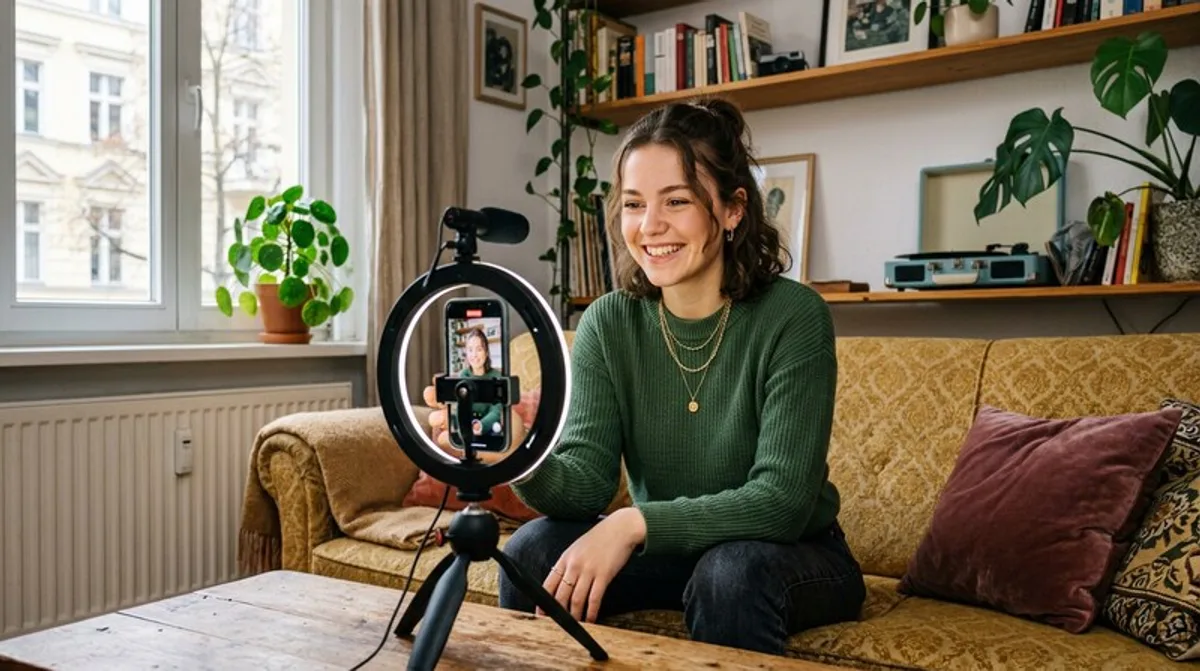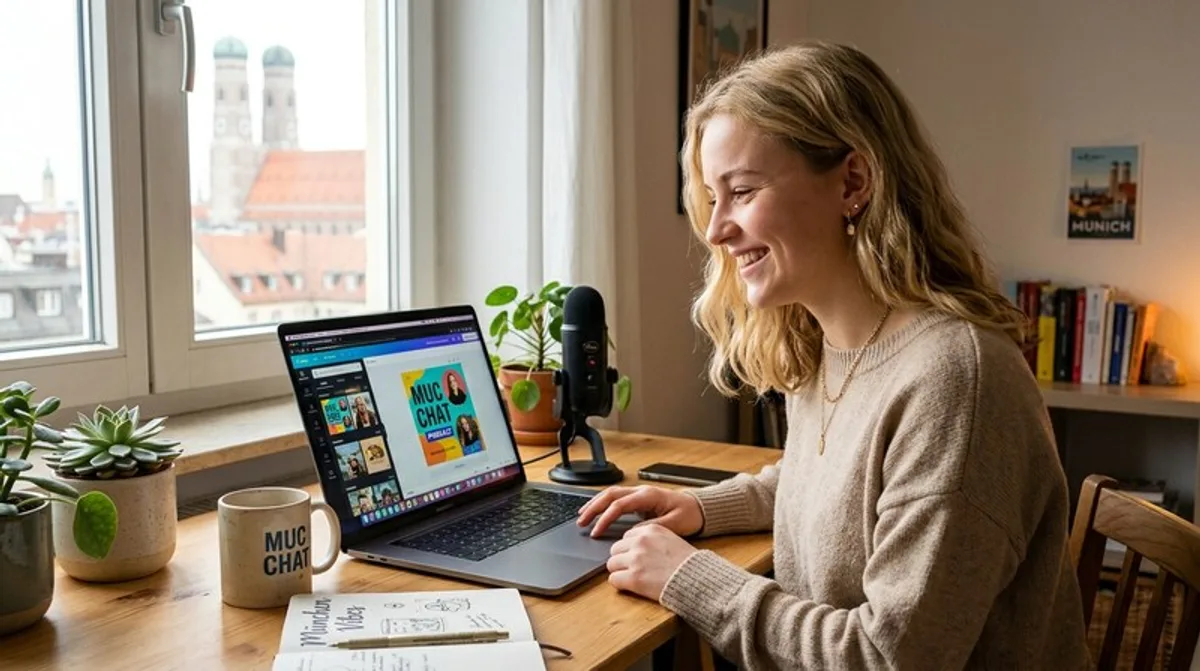
Food and consumer packaged goods brands were among the earliest adopters of influencer marketing, and the category has evolved dramatically over the past decade. From the polished recipe photography of early Instagram to the raw, experimental energy of TikTok's FoodTok community, food creator content now spans every format, platform, and audience segment. This guide covers the full food brand influencer marketing landscape — creator ecosystem, rate benchmarks, deal structures, TikTok virality mechanics, and how to measure ROI beyond social metrics.
Before building your food brand influencer strategy, use our free calculator to benchmark creator rates for any tier. Food brand deals often combine cash fees with product gifting, and understanding the baseline cash rate helps you structure hybrid compensation packages that work for both parties.
Related: Food Influencer Rates 2026: What Brands Pay Food and Recipe Creators, Food Influencer Pricing 2026: Rates for Recipe, Restaurant & CPG Creator Deals
The Food Creator Ecosystem

Food influencer content is one of the most diverse creator categories, with meaningfully different audience demographics, engagement patterns, and commercial expectations across each subcommunity.
Recipe Instagram. The original food influencer category. Recipe creators build audiences through high-quality food photography, step-by-step recipe breakdowns, and aspirational home cooking content. These creators tend to have older, more female-skewed audiences (25 to 45) who are actively engaged in home cooking. Brand integration in recipe content is the most natural form of food influencer marketing — a pasta brand appearing in a homemade pasta recipe post is as native as any sponsored content can be.
FoodTok (TikTok food content). TikTok's food community, known as FoodTok, operates by entirely different dynamics from Instagram recipe content. Content is faster-paced, more experimental, more personality-driven, and far more likely to go viral regardless of the creator's follower count. Trending formats like "restaurant-style at home," "ingredient hack" videos, and "I tried making [dish] every day for a week" challenges have launched unknown food creators to millions of views overnight. For food brands, FoodTok represents both a massive opportunity and a challenge: the content style that performs best on FoodTok is raw and spontaneous, not polished brand-brief-compliant.
YouTube cooking channels. Long-form cooking content on YouTube covers everything from professional chef technique breakdowns to budget meal planning for families. YouTube food audiences index high for engagement, information-seeking behavior, and purchase intent. A viewer watching a 15-minute video on how to make restaurant-quality ramen at home is deeply invested in the subject — and highly susceptible to relevant ingredient or cookware brand recommendations from a host they trust. Mid-roll sponsorships in cooking tutorial content are among the most effective brand placement formats in food marketing.
Meal prep content. Meal prep YouTube and TikTok creators — "I meal prepped for the whole week" videos — attract audiences of health-conscious, time-pressured adults who are making active dietary choices. These audiences are highly receptive to convenient food products, protein-dense ingredients, sauces and marinades, and meal planning tools. Meal prep creators are among the most commercially effective partners for food brands with health-positioned products.
Restaurant and food review creators. Restaurant review content — visiting new restaurants, reviewing food delivery, rating fast food chains — attracts broad audiences and is particularly relevant for restaurant chains, delivery services, and condiment brands. These creators often have very high organic reach due to the broad appeal of food opinion content, but brand integration requires more careful alignment to avoid seeming like a paid review rather than an authentic experience.
Cultural food content. Creators focusing on specific cuisines — Korean home cooking, authentic Mexican food, traditional Italian recipes — have built dedicated communities of diaspora audience members and food adventurers. For food brands with cultural products or ingredients, these creators offer exceptional audience fit and often deliver strong engagement rates because their communities are tightly connected around a shared cultural identity.
Rate Table by Platform and Creator Tier
| Creator Tier | Instagram Post | Instagram Reel | TikTok Video | YouTube Integration | YouTube Dedicated |
|---|---|---|---|---|---|
| Nano (1K–10K) | $50 – $200 | $75 – $300 | $50 – $200 | $200 – $600 | N/A |
| Micro (10K–100K) | $200 – $1,800 | $300 – $2,500 | $150 – $1,500 | $600 – $6,000 | $1,500 – $8,000 |
| Mid-Tier (100K–500K) | $1,800 – $7,000 | $2,500 – $9,000 | $1,500 – $6,500 | $6,000 – $20,000 | $8,000 – $28,000 |
| Macro (500K–2M) | $7,000 – $28,000 | $9,000 – $35,000 | $6,500 – $25,000 | $20,000 – $60,000 | $28,000 – $80,000 |
Why Food Brands Rely Heavily on Gifting and Organic Strategy
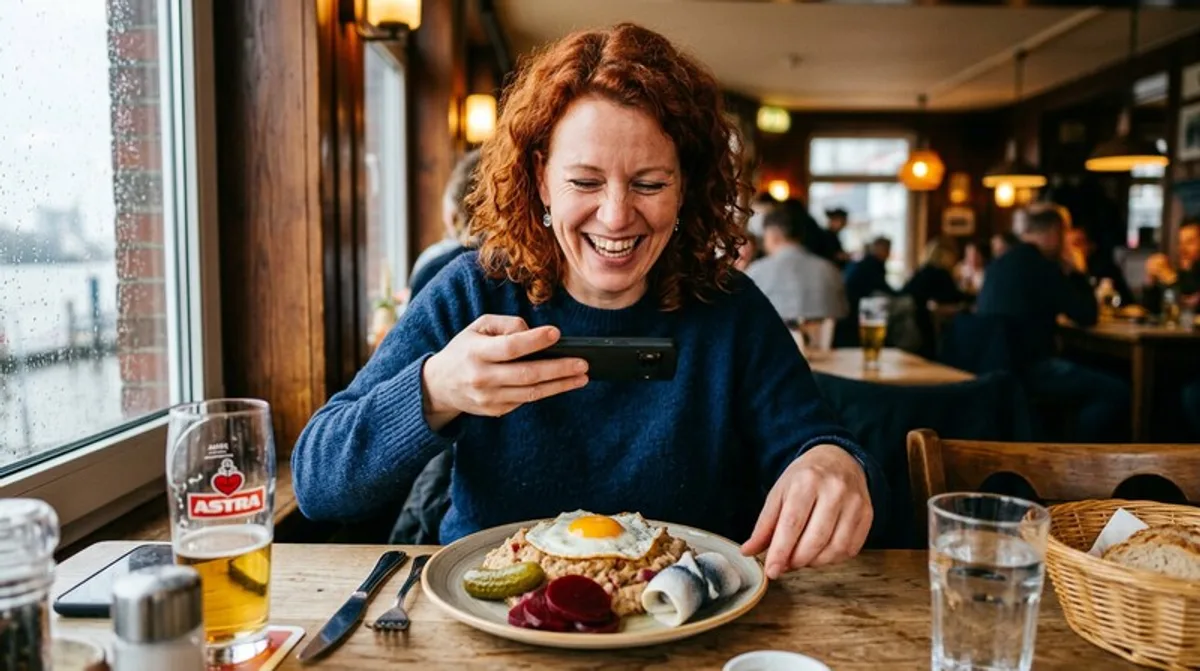
More than almost any other product category, food brands generate organic creator content without any paid arrangement. Creators eat, cook, and share food experiences as a core part of their content — and genuinely delicious or interesting food products naturally appear in that content without brand facilitation.
For food brands, a gifting-and-organic strategy can be highly effective at the early stage of brand development:
Sending product to 50 to 100 micro food creators who align with your product type costs relatively little in product and fulfillment — often $3,000 to $8,000 total — and can generate 20 to 50 pieces of organic content with no contractual obligation. The content feels completely authentic because the creator has no financial stake in promoting the product. If the product is genuinely good, this approach can create significant initial awareness and social proof.
The limitation of pure gifting strategy is control and scale. Gifted products may not be featured prominently, may be mentioned once and never again, and cannot be directed toward specific messaging or campaign timing. As a brand grows, combining an organic gifting foundation with paid flat-fee arrangements for high-priority creators and campaign moments provides the best of both approaches.
For CPG brands entering retail — moving from DTC to grocery store distribution — the economics of gifting shift. At that stage, the goal is driving retail trial and repeat purchase rather than online conversion, which requires reaching a much broader audience and driving in-store awareness in specific geographic markets. Paid creator campaigns with clear retail channel messaging and geo-targeted amplification become necessary at scale.
CPG Brand Deal Structures
Retail launch campaigns. When a CPG brand enters a new retail chain, influencer campaigns targeting consumers in the retailer's geography serve as the cost-efficient alternative to traditional trade marketing. Deal structures for retail launches typically involve a flat-fee payment to creators for one to two posts featuring the product in the retail context ("just found [product] at [retailer]!") with the brand handling paid amplification via whitelisting to drive reach in the target geography. Budget for retail launch influencer campaigns varies widely: small regional launches might spend $10,000 to $30,000 on creators; national chain entries from major CPG brands spend $100,000 to $500,000 or more.
Recipe integration campaigns. The most brand-safe and versatile CPG deal structure. The brand provides a product, the creator integrates it into an original recipe that showcases the product's best use case, and the result is content that serves both the creator's audience (who gets a recipe they actually want to make) and the brand (which gets authentic demonstration of the product's value in a real cooking context). Recipe integration campaigns are typically flat-fee with 30 to 90-day usage rights for the brand to repurpose the content.
Seasonal campaigns. Food brands have natural seasonal alignment that maps directly to creator content calendars. A sauce brand sponsoring content around grilling season, a hot chocolate brand partnering with cozy winter recipe creators, or a juice brand integrating into summer refreshment content — these partnerships feel organic because they align with what audiences already want to see. Seasonal campaigns command a slight premium (10 to 20 percent above standard rates) when demand for seasonal content is high, but can deliver significantly above-average engagement because the content is timely and relevant.
Social challenge campaigns. Particularly effective on TikTok, challenge campaigns invite creators and their audiences to make their own version of a recipe using the brand's product. Done well, challenge campaigns generate earned media that extends far beyond the initial creator partner investment. The challenge must be genuinely fun and accessible — the best food brand challenges have a clear, easy-to-replicate format and produce visually satisfying results. Frito-Lay, Heinz, and several hot sauce brands have run successful challenge campaigns that generated millions of organic uses of branded hashtags at relatively modest initial creator investment.
TikTok Food Virality Mechanics (FoodTok Algorithm)
FoodTok operates under TikTok's general interest graph algorithm, but several dynamics specific to food content shape virality in this category:
The satisfaction factor. Food content that produces a deeply satisfying visual or auditory experience — crispy sounds, perfect slices, smooth pours, beautiful plating — has a disproportionate chance of viral spread because it triggers a near-universal positive response. For food brands, this means products with sensory appeal (crunchy, colorful, visually interesting) have a structural advantage on FoodTok. Brands should brief creators to lead with the most visually satisfying moment of product use.
The trend-riding opportunity. FoodTok trends move fast and can be enormous: feta pasta, baked oats, "nature's cereal," and dozens of others turned ordinary food products into sell-out items overnight. Brands that identify emerging food trends and align with FoodTok creators already producing in that space before the trend peaks can achieve massive organic reach. This requires real-time trend monitoring and fast activation — a brand that sponsors baked oat content two weeks after the trend peaks gets a fraction of the organic distribution of the brand that was first.
Authenticity over production quality. Unlike Instagram, where polished production is rewarded, FoodTok audiences respond better to authentic, low-production-value content that feels like a real person's genuine experience. Brands that brief creators toward highly controlled, aesthetically perfect content will consistently underperform versus brands that give creators freedom to produce in their natural style. The brief should focus on what to communicate, not how to film it.
Comment section engagement. FoodTok comments are commercially significant. Viewers asking "where do I buy this?" in the comment section of a creator video drive real search and purchase behavior. Brands should ensure product availability and discoverability are optimized before any TikTok campaign goes live — a video that drives demand for a product that is hard to find results in frustrated potential customers and wasted campaign spend.
Platform Comparison for Food Brands
| Platform | Best Content Format | Audience Reach | Conversion Mechanism | Best For |
|---|---|---|---|---|
| TikTok | Short recipe / reaction | Very high (algorithm) | TikTok Shop, link in bio | DTC food, trend-aligned products, launches |
| Recipe photo / Reel | Moderate | Link in bio, story swipe-up | Lifestyle brands, premium positioning | |
| YouTube | Tutorial / cooking channel | High (search) | Link in description, discount code | Cooking equipment, specialty ingredients |
| Recipe pin | Long-tail, high intent | Recipe site traffic | Ingredient brands, meal kit companies |
Measuring Food Campaign ROI
Measuring ROI for food influencer campaigns is more complex than for DTC-only brands because food products are often sold through multiple channels — direct online, retail, restaurant/foodservice — with different attribution capabilities.
Direct attribution methods. Custom discount codes, unique affiliate links, and TikTok Shop click-through data are the most direct measurement tools. These work well for DTC food brands and subscription food services. Expect 1 to 5 percent of video views to use a discount code, with meaningful variation based on content engagement quality and discount depth.
Retail sales lift measurement. For CPG brands in retail, the standard measurement is retail sales lift — the increase in retail scanner data sales in the period following a creator campaign compared to the baseline trend. This requires access to retailer POS data (available through IRI, Nielsen, or direct retailer partnership programs) and careful construction of control vs. exposed markets. Retail sales lift measurement is sophisticated but the most accurate way to measure the real commercial impact of influencer campaigns for CPG brands.
Coupon redemption tracking. Brands that generate printable or digital coupons tied to influencer content can track redemptions directly at retail. While coupon creation and distribution has overhead, the direct link between creator content and register-level redemption makes this one of the cleanest measurement tools available for CPG campaigns targeting in-store purchase.
Brand search volume. For awareness-oriented campaigns, tracking brand name search volume on Google before and during a campaign provides a directional signal of campaign impact. A TikTok video that generates significant organic reach typically produces a visible spike in branded search within 24 to 72 hours. Google Trends and Google Search Console are sufficient tools for monitoring this signal without sophisticated measurement infrastructure.
For rate tables across all tiers, formats and platforms, see our influencer pricing by niche benchmarks.
Frequently Asked Questions
Get the market rate for any creator — free
Enter followers, niche, and content type. Get an instant benchmark with CPM equivalent and fair/high/low verdict.
Open Rate Calculator →