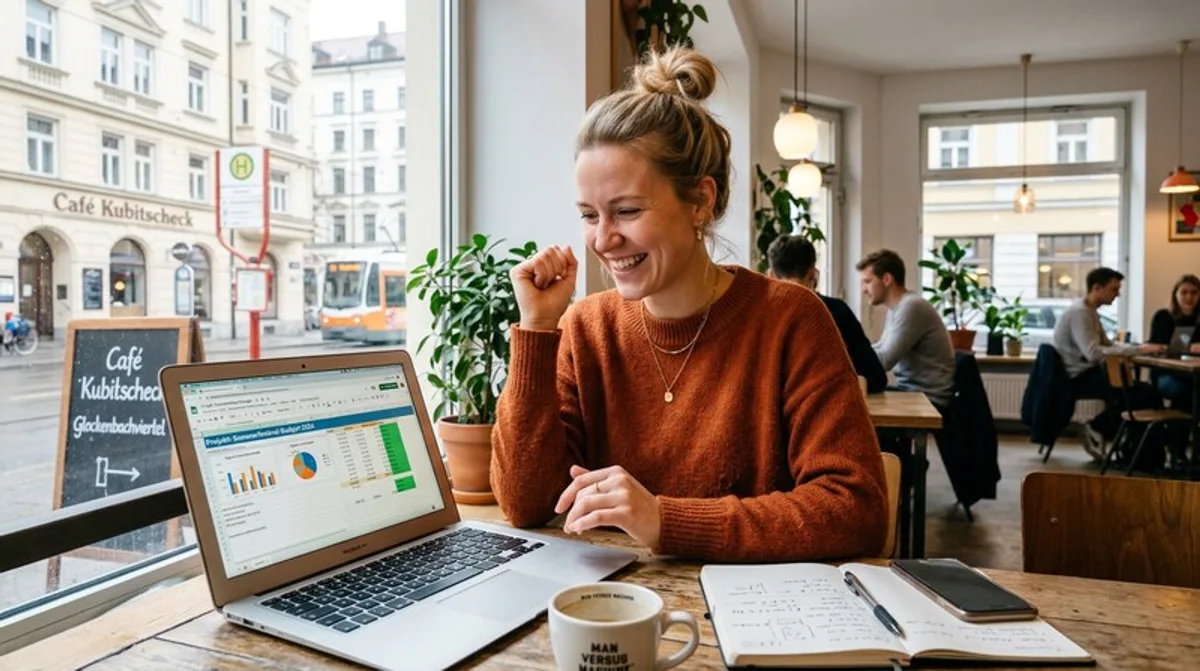



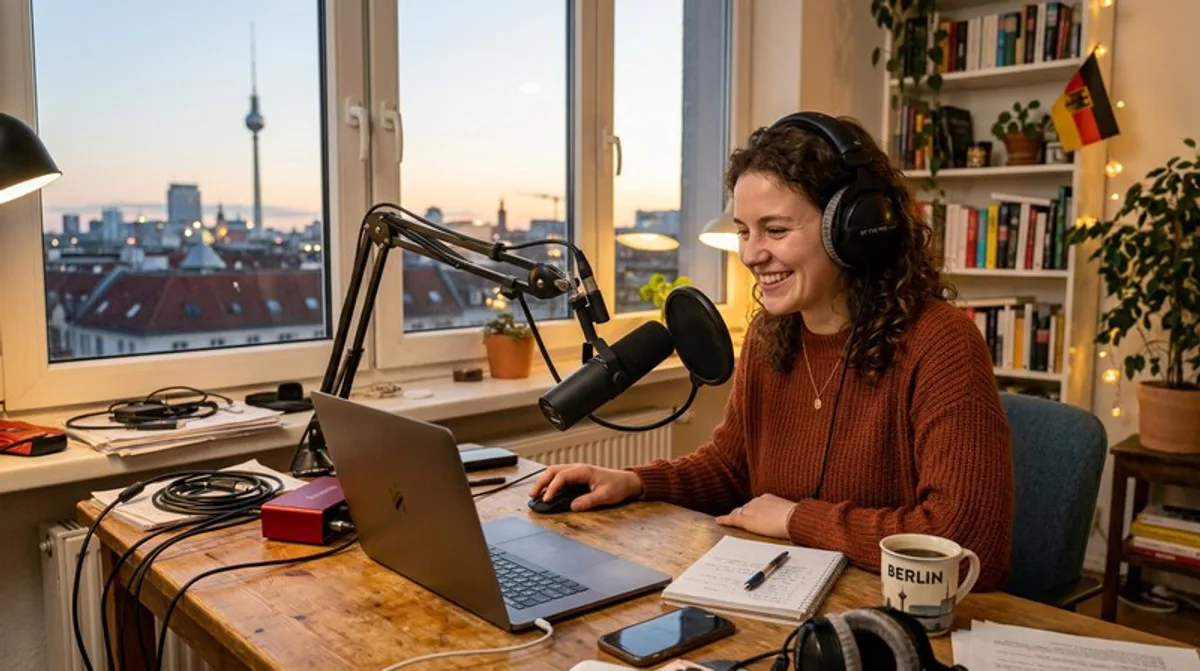


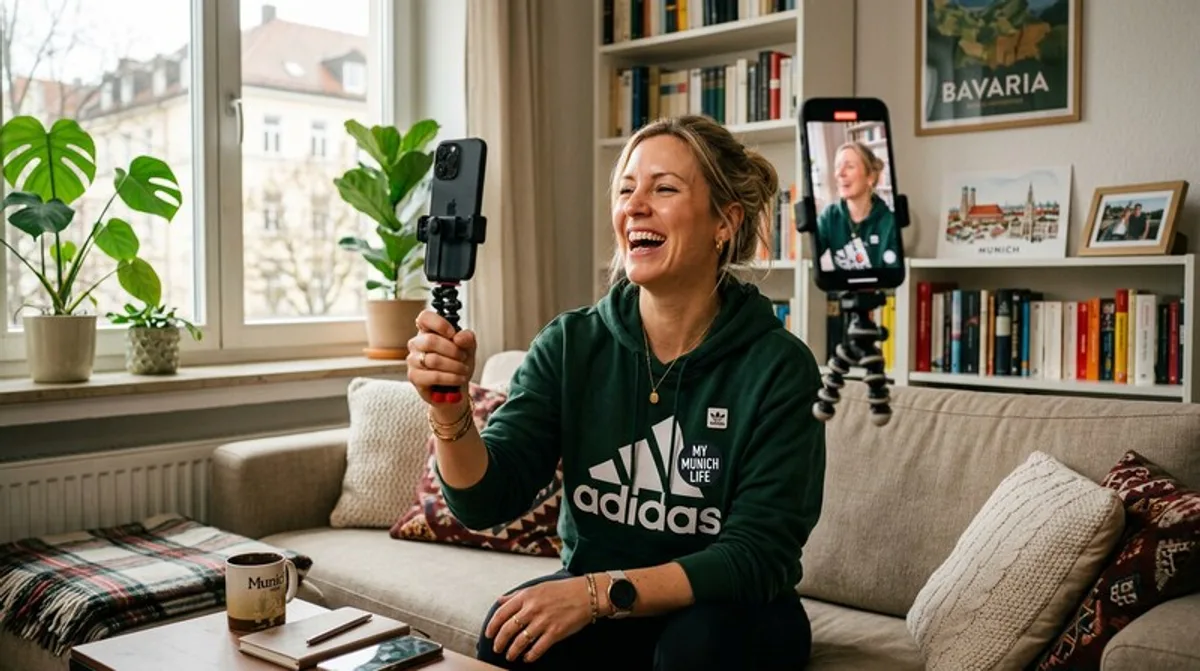
The home barista YouTuber and the cafe lifestyle Instagrammer both post coffee content, but they are not the same channel — and treating them as interchangeable is one of the most common budget mistakes in coffee influencer marketing. A 30,000-subscriber YouTube channel reviewing espresso machines is talking to an audience mid-research for a $400 to $1,500 purchase. A 120,000-follower Instagram account posting morning flat lays is building aspirational brand awareness for a much broader, less purchase-intent audience. These two creator types convert at fundamentally different rates, at different funnel stages, and for different product categories. Understanding that split — and matching your brand to the right side of it — is where coffee campaign ROI is actually made.
This guide covers the full coffee creator landscape, rate benchmarks by tier and platform, deal structures that work in this category, and the seasonal timing that maximizes campaign impact. Use the free calculator to build a custom rate estimate for any coffee creator you are considering.
Related: Beverage Brand Influencer Marketing: Rates and Strategy for Drinks Brands, Influencer Marketing for Cooking Brands: Rates, Kitchen Appliance Strategy, and Seasonal Timing
Home Barista YouTubers vs. Cafe Lifestyle Instagrammers: Two Different Conversion Economies

Coffee content lives across every major platform, but the creator types differ significantly in audience intent and brand alignment. Understanding who creates coffee content — and why their audience follows them — is the first step to choosing the right partners.
Barista TikTok creators are the fastest-growing segment. These are working baristas, home espresso enthusiasts, and latte art specialists who post short-form skill content: pour-over technique, espresso dial-in, steaming microfoam, and recipe experimentation. Their content is inherently educational and process-driven, which drives strong completion rates and save behavior. Audiences range from casual coffee drinkers inspired by craft to serious home baristas replicating cafe-quality espresso at home.
Coffee review YouTubers occupy the long-form end of the spectrum. These creators review beans by origin and roast level, compare espresso machines side by side, and produce deep-dive guides on brewing methods. Their audiences are among the most purchase-ready in the coffee space — a viewer watching a 20-minute espresso machine comparison is actively considering a purchase. For equipment brands and specialty roasters, these creators represent the highest-conversion channel in the ecosystem.
Cafe lifestyle Instagram creators curate the aesthetic side of coffee culture: flat lays, cafe visits, morning routine posts, and travel-adjacent coffee content. They skew toward a broader, aspirational audience that connects coffee with identity — slow mornings, creative work, and intentional living. These creators are well-suited for brand awareness campaigns, lifestyle product launches, and subscription coffee services that want to communicate a particular aesthetic rather than a specific product specification.
Home brewing communities exist primarily on Reddit, YouTube, and niche forums, but many of the most influential voices in this segment also maintain YouTube channels or Instagram accounts. Home barista content covers everything from entry-level espresso setups to modding vintage machines. Creators in this space have extremely high audience trust, and their endorsements carry significant weight for equipment and specialty coffee purchases.
Why the Equipment-Review Creator Commands a 20–35% Rate Premium
Coffee punches above its average category weight in influencer marketing for three structural reasons.
First, coffee is a ritual product. People make it every day, often multiple times. Content about coffee slots naturally into morning routine videos, productivity content, and lifestyle storytelling — which means brand integrations feel organic rather than interruptive. An espresso machine appearing in a home office setup video is not an ad; it is set dressing that audiences register as authentic.
Second, coffee community identity is unusually strong. Self-identified "coffee people" follow coffee creators with genuine interest, not passive scrolling. Engagement rates in coffee content consistently run above platform averages. Specialty coffee audiences in particular combine high household income, strong purchase intent, and loyalty to brands that earn their recommendation.
Third, the product lends itself to demonstration. Pour-over technique, latte art, cold brew ratios, and espresso extraction are all visual processes. Demonstration content educates while selling, which reduces the "ad-ness" of sponsored content and increases audience receptivity. A barista showing how to use a new grinder is teaching a skill; the brand association comes with that teaching, not despite it.
Rate Table: Coffee-Adjacent Creators by Tier and Platform
| Tier | Followers | Instagram Post | Instagram Reel | TikTok Video | YouTube Integration | YouTube Dedicated |
|---|---|---|---|---|---|---|
| Nano | 1K–10K | $50–$150 | $75–$200 | $50–$175 | $150–$400 | $250–$600 |
| Micro | 10K–100K | $200–$800 | $300–$1,200 | $250–$1,000 | $500–$2,500 | $800–$4,000 |
| Mid-Tier | 100K–500K | $800–$3,000 | $1,200–$5,000 | $1,000–$4,500 | $2,500–$8,000 | $4,000–$12,000 |
| Macro | 500K–1M | $3,000–$8,000 | $5,000–$12,000 | $4,500–$10,000 | $8,000–$20,000 | $12,000–$30,000 |
| Mega | 1M+ | $8,000–$25,000 | $12,000–$35,000 | $10,000–$30,000 | $20,000–$60,000 | $30,000–$80,000 |
Coffee-specific creator rates tend to land in the middle of their tier ranges. Unlike luxury fashion or finance categories, coffee content does not command significant niche premiums on standard posts. However, equipment-focused creators (espresso machines, grinders, brewers) run 20–35% above these benchmarks due to their high-purchase-intent audiences and demonstrated conversion rates for high-ticket items.
Matching Coffee Brand Type to Creator Type
The coffee brand universe breaks into several segments, each with distinct influencer marketing needs:
Specialty roasters (Blue Bottle, Onyx, Intelligentsia, independent roasters) prioritize authenticity and craft storytelling. They typically run gifting-plus-fee programs with micro and mid-tier creators who have genuine coffee enthusiasm. Their audiences overlap heavily with the home barista and coffee review communities. Monthly subscription models make affiliate programs viable — commissions of 15–20% on $20–$50/month subscriptions generate meaningful passive income for creators at volume.
Espresso machine and coffee equipment brands (Breville, De'Longhi, Fellow, Baratza, Nespresso) have the highest average deal values in the coffee category. Equipment gifting alone represents $150–$1,500+ in product value, which typically justifies a combination of gifted product plus a flat fee for review or tutorial content. These brands almost always work with YouTube creators for long-form review content, supplemented by TikTok for reach and Instagram for aesthetics.
Coffee subscription services (Trade Coffee, Atlas, Mistobox, Bottomless) are natural affiliate partners. Their recurring revenue model supports CPA (cost-per-acquisition) deals at $10–$30 per new subscriber, and creators who genuinely use a subscription can integrate it repeatedly across content — morning routine videos, coffee haul content, and seasonal recommendations.
RTD cold brew and canned coffee brands (Chameleon, La Colombe, Canned Cold Brew segment) lean more toward lifestyle creators and food/beverage Instagram rather than specialty coffee communities. They need reach and trial awareness more than deep craft credibility.
Flavored syrups and add-ins (Torani, Monin, Ghee syrup brands, mushroom coffee add-ins) are popular for recipe content. TikTok is their primary platform — viral "Starbucks dupe" recipe content has driven significant awareness for syrup brands with minimal spend.
Deal Structures That Work for Coffee Brands
Monthly coffee subscription plus flat fee is the most common structure for specialty roasters and subscription services. The creator receives ongoing product (their actual monthly coffee supply) plus a negotiated flat fee per post or per month. This works because the creator becomes a genuine user of the product, which shows in content quality and authenticity.
Equipment gifting plus review fee is standard for hardware brands. The gifted equipment has intrinsic value to the creator (baristas and home enthusiasts genuinely want new equipment), and the flat fee compensates for production time, editing, and posting. For YouTube review content, $500–$3,000 on top of product gifting is reasonable at the micro to mid-tier level.
Affiliate programs with 15–25% commission are effective for subscription and consumable products. Because coffee is repurchased regularly, a creator who drives initial subscriptions generates ongoing commission income from renewals — creating alignment between creator effort and brand value. Platforms like ShareASale and Impact host most coffee affiliate programs.
Recipe integration fees are a separate line item when a brand wants a creator to develop an original recipe using their product (a cold brew cocktail, a flavored latte variant, a coffee smoothie). Recipe development is creative labor beyond standard sponsored posting, and professional food/beverage creators charge an additional $200–$800 for original recipe development on top of posting fees.
Platform Comparison: Where Each Coffee Creator Type Converts
| Platform | Best Content Type | Audience Intent | Best For | Typical CPM |
|---|---|---|---|---|
| TikTok | Barista tricks, ASMR pouring, recipe videos, "Starbucks dupe" content | Discovery, entertainment | RTD cold brew, syrups, entry-level equipment | $8–$18 |
| YouTube | Equipment reviews, brewing tutorials, roaster profiles, head-to-head comparisons | Research, purchase consideration | Espresso machines, grinders, specialty roasters | $15–$40 |
| Aesthetic flat lays, cafe visits, morning routine Reels, lifestyle integration | Aspiration, brand awareness | Subscription services, RTD, premium accessories | $10–$25 | |
| Recipe pins, morning routine boards, coffee aesthetic | Planning, recipe discovery | Flavored syrups, recipe-adjacent products | $5–$15 |
Seasonal Campaign Timing for Coffee Brands
Fall pumpkin spice season (September–November) is the highest-engagement period in coffee content. Pumpkin spice, apple cider, and warm-spiced coffee content consistently outperforms baseline engagement by 30–60% during this period. Any coffee brand with a fall seasonal offering should plan their creator campaigns to launch in late August for early-adopter content, with the main push running through October.
January productivity season is the second major opportunity. New Year's resolution content (productivity, wellness, morning routines) creates natural demand for coffee content framed around focus, energy, and intentional mornings. Specialty subscription services and functional coffee products (mushroom coffee, adaptogen blends) perform particularly well in this window.
Summer cold brew season (May–August) drives recipe content and RTD product discovery. Cold brew tutorials, iced coffee recipes, and "coffee alternatives to beat the heat" content peak in early summer. TikTok recipe content in this period can generate millions of views for small brands that get the format right.
Valentine's Day (February) is a secondary window for premium and gifting-oriented coffee brands. Specialty coffee gift sets, premium equipment, and subscription gift boxes perform well with gifting-angle content in the two weeks before February 14.
Measuring ROI: Why Last-Click Understates YouTube's Value
For subscription and consumable products, promo code redemption is the cleanest attribution method. Give each creator a unique discount code (10–15% off first order works well for coffee subscriptions) and track redemptions directly. This is not perfect — some viewers will search organically rather than use the code — but it provides a directional conversion rate.
For equipment brands, last-click attribution understates influencer value significantly. A viewer who watches a 15-minute espresso machine review does not always click the creator's link immediately; they may visit the brand site directly three days later. UTM parameters on creator-specific landing pages capture more of this traffic than simple referral tracking — and for high-ticket equipment where the research cycle runs days or weeks, this gap between last-click and actual influence is substantial.
For brand-awareness-focused campaigns (lifestyle creators, RTD launch), brand lift studies or share-of-voice tracking are more appropriate metrics than direct conversion. These require either paid third-party measurement tools or survey-based approaches.
For rate tables across all tiers, formats and platforms, see our influencer pricing by niche benchmarks.
Coffee influencer marketing rewards brands that invest in genuine creator relationships rather than one-off transactional placements. The specialty coffee community values authenticity above almost everything else, and audiences are skilled at identifying sponsored content that does not reflect genuine product use. Brands that provide product for real use, offer competitive fees, and give creators creative latitude consistently outperform those running rigid, scripted campaigns. For help scoping your coffee influencer budget, use the free calculator to benchmark rates by tier and platform.
Get the market rate for any creator — free
Enter followers, niche, and content type. Get an instant benchmark with CPM equivalent and fair/high/low verdict.
Open Rate Calculator →