
Influencer marketing disclosure requirements are not optional — they are federal law in the United States, enforced by the FTC with escalating enforcement actions, and equivalent regulations exist across the UK, EU, and most major global markets. Yet disclosure compliance remains inconsistent across creator partnerships, with many brands and creators treating disclosure as an afterthought rather than a fundamental campaign requirement. The consequences of non-disclosure range from FTC warning letters and formal complaints to multi-million dollar settlements. This guide covers everything brands and creators need to know about influencer disclosure rules in 2026: what's required by law, what specific disclosure language works, platform-specific requirements, and how to build disclosure compliance into your campaign workflow.
Why Influencer Disclosure Matters Legally
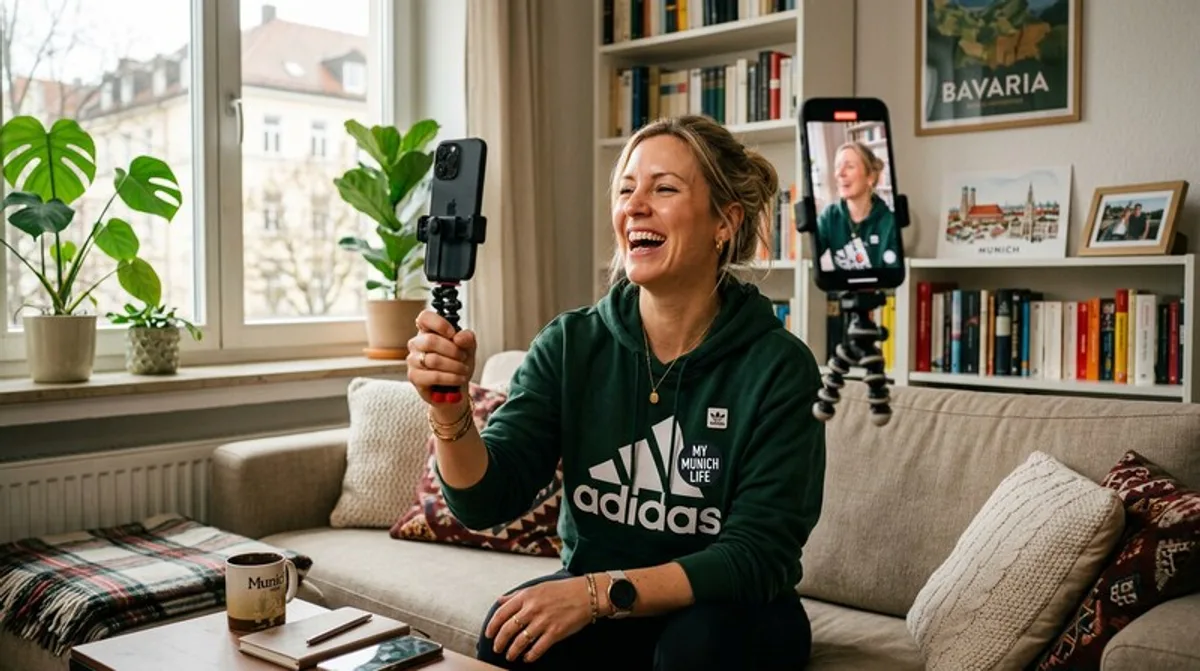
The legal foundation for influencer disclosure requirements is simple: consumers have the right to know when content is paid advertising, not organic recommendation. Without disclosure, a consumer cannot assess whether a creator's enthusiasm for a product reflects genuine experience or financial incentive. The FTC's Section 5 authority (unfair or deceptive trade practices) has been applied to influencer marketing since 2009, with enforcement escalating significantly through the 2020s.
Related: Influencer Marketing Contract Guide: What Every Deal Must Include, Influencer Marketing Mistakes to Avoid: 8 Errors That Kill Campaign ROI
Key legal developments in 2026:
- FTC's 2023 revised Endorsement Guides expanded the definition of "material connection" to include free products, equity stakes, and family relationships with brand employees
- FTC enforcement now targets brands directly — not just creators — making brands responsible for ensuring their creator partners comply with disclosure requirements
- European DSA (Digital Services Act) and UK ASA (Advertising Standards Authority) create parallel disclosure obligations for campaigns running in these markets
- Class action litigation based on FTC disclosure violations has increased — brands face private plaintiff risk beyond regulatory enforcement
What Qualifies as a Material Connection Requiring Disclosure
A "material connection" exists — and must be disclosed — whenever:
- The creator received money (flat fee, CPA, commission) from the brand for the content
- The creator received free products, services, or experiences from the brand
- The creator received discounts, early access, or other benefits from the brand
- The creator has an equity stake, employment relationship, or family/close personal connection to brand leadership
- The creator is part of an affiliate program earning commission on sales from the content
The threshold for disclosure is whether the relationship would be "material" to a consumer's evaluation of the recommendation. When in doubt, disclose — there is no legal risk from over-disclosing, only from under-disclosing.
Required Disclosure Language and Format

What Works
| Context | Acceptable Disclosure | Why It Works |
|---|---|---|
| Paid partnership (flat fee) | #ad, #sponsored, "Paid partnership with [Brand]" | Clearly communicates financial relationship |
| Free product (no payment) | #gifted, "Gifted by [Brand]", "[Brand] sent this for review" | Discloses material benefit even without cash |
| Affiliate commission | #affiliate, "affiliate link below", "I earn commission on this" | Discloses financial incentive in the link |
| Ambassador / brand partnership | "[Brand] ambassador", "#brandpartner" | Acknowledged ongoing commercial relationship |
What Does Not Work
- Buried hashtags: Disclosure buried at the end of a long list of hashtags (#cat #beauty #ad #lifestyle) does not meet FTC requirements — disclosure must be "clear and conspicuous."
- Unclear abbreviations: "#spon" or "#collab" without clear definition are insufficient — FTC guidance requires language that consumers clearly understand as advertising disclosure.
- Platform-only disclosure tools: Instagram's "Paid Partnership" label alone may not satisfy FTC requirements for disclosures that appear in the post caption itself.
- Video audio-only disclosure: For video content, disclosure should appear as on-screen text during the integrated portion of the video, not only as a verbal mention that viewers who skip or watch on mute will miss.
Platform-Specific Disclosure Requirements
| Platform | Native Disclosure Tool | Additional Required? | Recommended Practice |
|---|---|---|---|
| "Paid Partnership" label (Meta) | Yes — add to caption | Meta label + "#ad" or "Paid partnership with [Brand]" in caption | |
| TikTok | "Branded Content" toggle | Yes — add to caption/video | Branded content toggle + "#ad" in caption + verbal disclosure in first 30 seconds |
| YouTube | "Includes paid promotion" label | Yes — verbal + on-screen | YouTube label + verbal disclosure at start + on-screen text at integration point |
| Twitter/X | No native tool | Yes | "#ad" or "Paid by [Brand]" clearly at the start of the tweet |
| No native tool | Yes | "[Brand] sponsored" or "#ad" in post header |
Building Disclosure Compliance Into Campaign Workflow
Brands are responsible for ensuring creators comply with disclosure requirements — "the creator didn't disclose" is not a defense for a brand that paid for the post. Build compliance into your campaign process:
- Include disclosure requirements in the brief: Specify exact disclosure language in your campaign brief. Do not leave disclosure phrasing to creator discretion.
- Require disclosure in the contract: Include a clause requiring FTC-compliant disclosure and stating that non-disclosure is a material breach. This creates both legal clarity and creator accountability.
- Review compliance before approving content: Add disclosure check to the content approval checklist. If the draft doesn't include proper disclosure, return it for revision before approving.
- Monitor live posts: After content goes live, verify disclosure is visible and correctly formatted. Some creators remove disclosures post-approval or format them non-compliantly.
International Disclosure Requirements
Brands running campaigns in multiple markets face overlapping regulatory frameworks:
For rate tables across all tiers, formats and platforms, see our influencer marketing pricing guides.
- UK: The ASA requires "Ad" or equivalent disclosure prominent in the content — UK requirements are stricter than US FTC requirements in some respects. "#gifted" alone is insufficient for content where the creator exercised editorial control.
- European Union: The EU's Digital Services Act and individual national advertising standards bodies (Germany's Wettbewerbszentrale, France's ARPP) require disclosure. German law has been among the most aggressively enforced.
- Australia: ACCC guidelines follow similar principles to FTC requirements — paid content must be clearly disclosed.
Confirming Market Rates Before Disclosure Obligations Are Triggered
Disclosure requirements kick in the moment a material connection exists — which means the compensation structure needs to be defined, and defensible, before content goes live. Run each creator's profile through the Instagram Analyzer before finalizing deal terms: knowing the benchmarked market rate ensures the fee in the contract reflects genuine commercial value, which matters if the FTC or a competitor ever reviews whether the deal was an arm's-length transaction.
When selecting between multiple creator candidates for a campaign that will involve paid partnership disclosures, the Profile Comparison Tool shows engagement scores and implied rates side by side. This helps identify which creators deliver the strongest audience quality per disclosure-triggering dollar spent — because every deal requiring a #ad tag represents a real ad spend that should be benchmarked accordingly.
Frequently Asked Questions
Get the market rate for any creator — free
Enter followers, niche, and content type. Get an instant benchmark with CPM equivalent and fair/high/low verdict.
Open Rate Calculator →