
Influencer marketing is one of the fastest-growing digital advertising channels in the world, crossing $21 billion in global spend in 2026. Yet for many brands just entering the space — and for creators trying to understand how they fit into the ecosystem — the mechanics of how a campaign actually works remain unclear. This guide covers everything: the definition, the ecosystem, how payments work, the five creator tiers, platform differences, legal requirements, and how to measure results.
What Is Influencer Marketing?

Influencer marketing is a form of paid media in which a brand pays a creator — someone with an established audience on a social media platform — to produce and distribute content promoting the brand's products or services. The core exchange: the brand gets access to the creator's audience and the trust that creator has built with that audience. The creator gets compensated, either financially or through gifted products (though in professional campaigns, financial compensation is standard).
Related: Influencer Marketing Glossary: 50 Terms Every Brand and Creator Must Know, How Much Does an Influencer Marketing Campaign Cost? Complete Budget Guide 2026
What makes influencer marketing fundamentally different from traditional advertising is trust transfer. When a creator tells their audience about a product, their personal credibility — built over months or years of consistent content — transfers to the brand. A 30-second Instagram Reel from a trusted fitness creator carries far more persuasive weight with a fitness audience than a brand-produced TV spot, because the audience already trusts the creator's judgment on fitness-related topics.
The Influencer Marketing Ecosystem
The influencer marketing space has four main groups of participants:
Brands: Companies that want to reach new audiences, build brand awareness, or drive conversions. Brands range from Fortune 500 companies with eight-figure influencer budgets to DTC startups running their first $5,000 micro-influencer campaign. They either manage influencer partnerships in-house or hire an agency to handle sourcing, contracting, and campaign management.
Creators: Content producers who have built an audience on one or more social media platforms. Creators range from nano influencers (1,000–10,000 followers) to mega influencers and celebrities with tens of millions of followers. They create content, post it to their channels, and charge brands for access to their audience and their creative output.
Agencies and platforms: Influencer marketing agencies manage campaigns on behalf of brands, handling creator sourcing, negotiation, contracting, creative briefing, content review, and performance reporting. Influencer platforms (Grin, Modash, AspireIQ, CreatorIQ, etc.) are software tools that help brands discover creators, manage contracts, and track performance. Agencies typically charge 15–25% of total campaign spend; software platforms charge monthly SaaS fees.
Audiences: The people who follow creators and consume their content. Audiences are ultimately what brands are paying to reach. An engaged, niche audience of 50,000 people can be more valuable to a brand than a passive, generic audience of 2,000,000.
Why Influencer Marketing Works
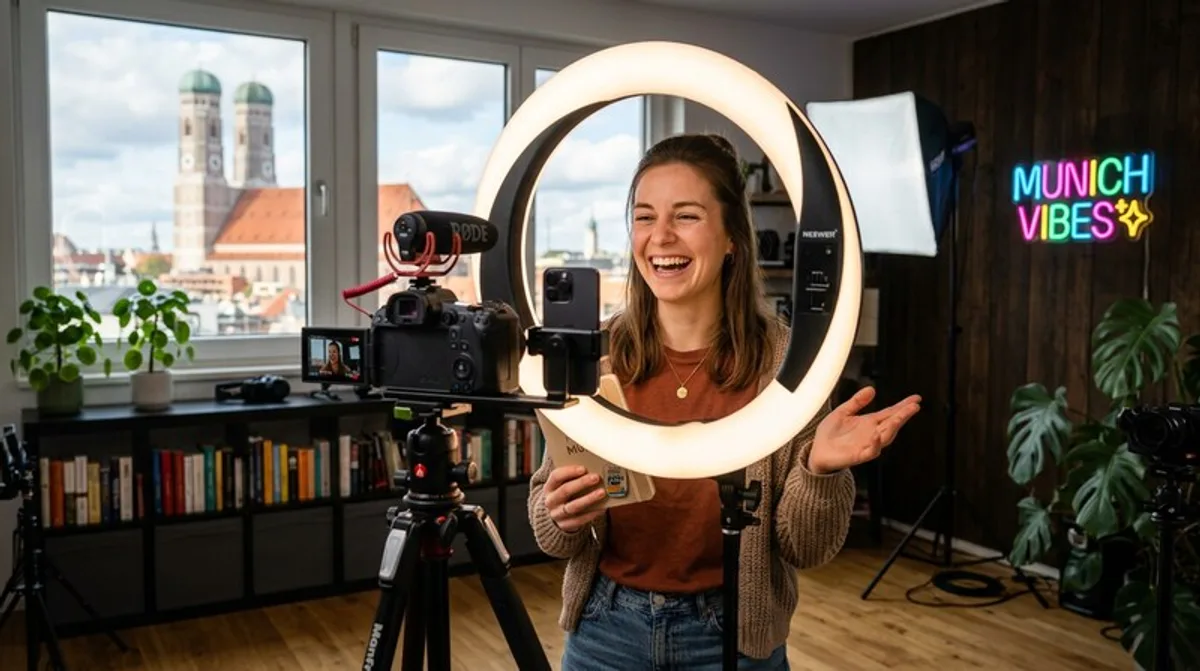
Three mechanisms explain influencer marketing's effectiveness:
Social proof: Seeing a real person use and endorse a product signals to viewers that the product is worth considering. This is the same mechanism behind word-of-mouth recommendations — the most trusted form of marketing throughout human history — applied at scale through social media.
Trust transfer: Creators build genuine relationships with their audiences over time. Followers trust a creator's product recommendations in a way they do not trust brand advertising, because they believe the creator has personal experience with the product and would not recommend something that undermines their credibility. This trust is the core asset brands are paying for.
Niche targeting: Social media allows creators to build highly specific audiences around narrow interests — sustainable fashion, keto cooking, vintage watches, B2B SaaS sales, competitive Pokémon. For brands targeting those niches, a mid-tier creator with 150,000 highly engaged niche followers can outperform a celebrity with 10,000,000 generic followers. Niche relevance multiplies the value of reach.
How a Typical Campaign Runs — Step by Step
A professional influencer marketing campaign follows a consistent workflow from first contact to final report:
1. Strategy and brief development: The brand (or agency) defines campaign objectives (awareness, conversions, app installs, etc.), target audience, budget, creator tier, and platform. A creative brief is drafted outlining messaging requirements, mandatory disclosures, forbidden claims, posting timeline, and deliverables.
2. Creator sourcing and outreach: Creators are identified through an influencer platform, agency roster, or manual search. Initial outreach is made via email or DM, typically with a short pitch describing the brand and campaign opportunity. Top creators receive hundreds of brand inquiries weekly — clear, professional outreach with a specific offer performs significantly better than vague collaboration requests.
3. Negotiation: Rate, deliverables, exclusivity, usage rights, posting timeline, and revision terms are negotiated. Brands should know benchmark rates before entering negotiation — our Instagram Analyzer provides tier-specific rate estimates by platform and format. For larger campaigns, a deal memo summarizing key terms is often circulated before a full contract.
4. Contract: A formal agreement is signed by both parties covering all deliverables, payment terms, FTC disclosure requirements, content approval rights, revision limits, kill fee terms, and usage rights. Never proceed without a signed contract.
5. Content creation: The creator produces the content. Professional creators generally do not want brands writing their scripts word-for-word — the value of creator content is that it sounds natural and authentic in the creator's voice. Brands should provide clear messaging requirements and non-negotiables, then leave creative execution to the creator.
6. Review and approval: The brand reviews the content before posting. Most contracts specify a review window (typically 48–72 hours) and a limited number of revision rounds (typically 1–2). Excessive revision requests damage the brand-creator relationship and undermine the natural quality of creator content.
7. Posting: The creator publishes the content on the agreed date and time. Most contracts require the creator to confirm posting by sending a link or screenshot within 24 hours.
8. Performance reporting: The creator provides performance data (views, reach, impressions, engagement, link clicks) for each deliverable. Brands compile results against campaign benchmarks and calculate ROI metrics. Some platforms allow direct analytics integration, eliminating the need to rely on creator-reported data.
The 5 Creator Tiers — What Each Is Used For
| Tier | Follower Range | Typical Use Case | Average Engagement Rate |
|---|---|---|---|
| Nano | 1,000 – 10,000 | Gifting, UGC, local campaigns | 5% – 10%+ |
| Micro | 10,000 – 100,000 | Niche targeting, DTC launches, performance campaigns | 3% – 6% |
| Mid-tier | 100,000 – 500,000 | Awareness + conversion balance, brand building | 2% – 4% |
| Macro | 500,000 – 2,000,000 | Broad awareness, product launches, PR moments | 1% – 2.5% |
| Mega / Celebrity | 2,000,000+ | Mass awareness, prestige signaling, cultural moments | 0.5% – 1.5% |
Nano influencers are hyper-local and hyper-niche. Their audiences are often personal networks with strong trust. Brands use nano influencers for gifting campaigns (sending products without cash payment), UGC generation (creating content assets brands can repurpose), and local market activation. They are not cost-effective for national awareness campaigns.
Micro influencers are the workhorses of performance-focused influencer marketing. They combine genuine niche expertise, relatively high engagement, and accessible pricing. A brand can run 20 micro-influencer partnerships for the cost of one macro-influencer deal — and in many cases, those 20 micro campaigns will outperform the single macro on total reach, engagement, and conversions. Micro influencers are the top choice for DTC brands, app marketers, and niche product categories.
Mid-tier influencers have professional production quality, consistent posting schedules, and experienced media kits. They are professional creators who depend on brand partnerships for income, meaning they are reliable, responsive, and experienced at delivering quality sponsored content. Mid-tier is the sweet spot for brands that need a balance of reach and relevance without paying macro rates.
Macro influencers provide genuine scale. A single macro post can reach 500,000–2,000,000 people in a target demographic. Brands use macro influencers for product launches requiring mass awareness, trend-jacking campaigns, and brand repositioning. The tradeoff is cost and less personal audience connection than smaller tiers.
Mega influencers and celebrities deliver cultural impact and prestige signaling. A product endorsed by a celebrity with 20 million followers signals social status to consumers in a way no performance metric fully captures. Major fashion brands, luxury goods companies, and entertainment properties use celebrity influencer deals as part of integrated marketing campaigns, not as standalone performance drivers.
Platform Breakdown — Instagram, TikTok, YouTube
Instagram remains the most widely used influencer marketing platform in 2026. Reels are the dominant format for awareness and reach; Stories are used for conversion-focused content with link integration; static posts still serve catalog and lifestyle imagery. Instagram's strength is its massive creator ecosystem across virtually every niche, its established brand partnership infrastructure, and its integration with Meta's ad platform for whitelisting and Spark-equivalent amplification. The primary audience skews 18–34, with strong female representation in beauty, fashion, wellness, and lifestyle categories.
TikTok has become the highest-reach platform for younger demographics and viral potential. A TikTok post from a mid-tier creator can reach 5–10× their follower count through the algorithm's organic distribution, making it uniquely powerful for content that has mass appeal. TikTok Spark Ads — TikTok's version of creator whitelisting — allow brands to amplify organic creator content as paid ads. The platform's creative culture favors native, authentic, lo-fi content over polished production. TikTok is the priority platform for brands targeting Gen Z and younger millennials.
YouTube delivers depth of message and longevity. A YouTube integration sits inside a creator's long-form video — often a 10–20 minute piece — giving brands 60–90 seconds of undivided attention from a viewer who is already highly engaged. YouTube content has indefinite shelf life; a video from three years ago can still drive conversions today. YouTube is the platform of choice for high-consideration purchases (software, financial products, consumer electronics), educational brands, and any product that benefits from demonstration. Rates are higher than Instagram or TikTok on a per-deliverable basis, but cost-per-engaged-minute is often lower.
How Payments Work in Influencer Marketing
Payment terms in influencer marketing are not standardized. Most professional creators invoice brands net 30 or net 60, meaning payment is due 30 or 60 days after the invoice date. Many creators require a deposit — typically 50% — at contract signing, with the remaining 50% due upon delivery or post-publication.
Payment methods vary: wire transfer and ACH are standard for larger deals; PayPal is common for smaller transactions; some platforms have built-in payment processing. International creators may prefer Wise (TransferWise) or bank wire to avoid PayPal's international fees. Brands should confirm payment method preference during contract negotiation.
Withholding taxes may apply for US-based brands paying US creators — a W-9 form should be collected from any creator paid $600 or more in a calendar year. For international creators, a W-8BEN form documents foreign status. Gifted products above minimal value may also constitute taxable income for creators under IRS guidelines.
FTC Disclosure Requirements
The Federal Trade Commission requires creators to clearly and conspicuously disclose any material connection to a brand — including cash payment, free products, or other compensation — whenever they post promotional content. This applies to all platforms and all content formats, including Stories, Reels, short-form video, and long-form video.
The disclosure must be clearly visible and understandable. "Ad," "Paid partnership," "Sponsored," or "#ad" placed prominently in the post caption or spoken aloud in video content satisfies the requirement. Vague disclosures like "#sp" or "#collab" buried at the end of a 30-hashtag caption do not. Brands are responsible for ensuring their contracted creators comply — brands can face FTC action for creator non-compliance on their campaigns.
Measuring Campaign Success
Performance metrics in influencer marketing depend on campaign objective. Awareness campaigns are measured by reach, impressions, and view count. Engagement campaigns use engagement rate, comment volume, and shares. Conversion campaigns track link clicks, promo code redemptions, and attributed sales. App install campaigns track installs and cost-per-install. Full-funnel campaigns require a blended measurement approach that captures both awareness and conversion metrics.
Use UTM tracking links and unique promo codes for every creator to accurately attribute conversions. Without attribution, it is impossible to separate influencer-driven sales from other marketing channels.
Why Influencer Marketing Has Grown From $1.7B to $21B+
In 2016, global influencer marketing spend was approximately $1.7 billion. By 2025, that figure has exceeded $21 billion — a 12× growth in under a decade. Several forces drive this expansion: social media has become the primary media consumption platform for audiences under 40; ad fatigue and ad-blocking have eroded the effectiveness of traditional digital advertising; the creator economy has professionalized, producing a large supply of high-quality creator content across every niche; and brands have accumulated enough performance data to demonstrate that influencer campaigns deliver measurable ROI across the funnel.
The shift is structural, not cyclical. Audiences increasingly trust people over brands. Creators have built media empires with loyal audiences that rival traditional publishers. And brands have discovered that allocating even a portion of their media budget to creator partnerships improves performance across other channels — creator content improves email open rates, raises paid ad CTR when whitelisted, and generates authentic brand mentions that support organic search. Influencer marketing has moved from experimental to essential.
For rate tables across all tiers, formats and platforms, see our influencer marketing pricing guides.
Verifying Creator Rates Before Your First Campaign
Every influencer marketing campaign starts with the same question: what should you pay this creator? The answer depends on their actual engagement quality, not just their follower count. Before signing any contract or agreeing to a rate, run the creator's Instagram through the Instagram Analyzer to see their engagement rate, follower growth trend, and whether their audience activity supports the rate they are quoting. A mid-tier creator at 200K followers with 3.5% engagement is worth significantly more than one at the same follower count with 0.6% — and the difference in what you should pay is substantial.
For building a creator mix across multiple tiers — combining nano and micro for performance campaigns with one mid-tier anchor — the Profile Comparison Tool shows engagement scores and implied rates side by side, making it straightforward to allocate your campaign budget across tiers before you begin outreach.
Frequently Asked Questions
Get the market rate for any creator — free
Enter followers, niche, and content type. Get an instant benchmark with CPM equivalent and fair/high/low verdict.
Open Rate Calculator →