



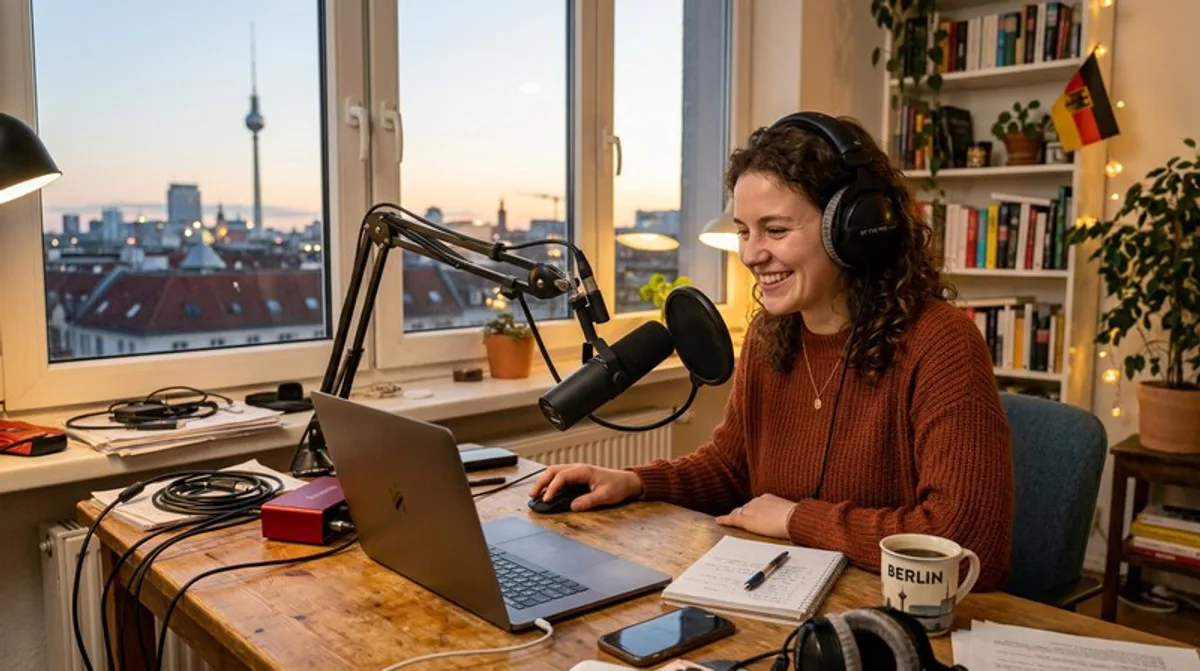


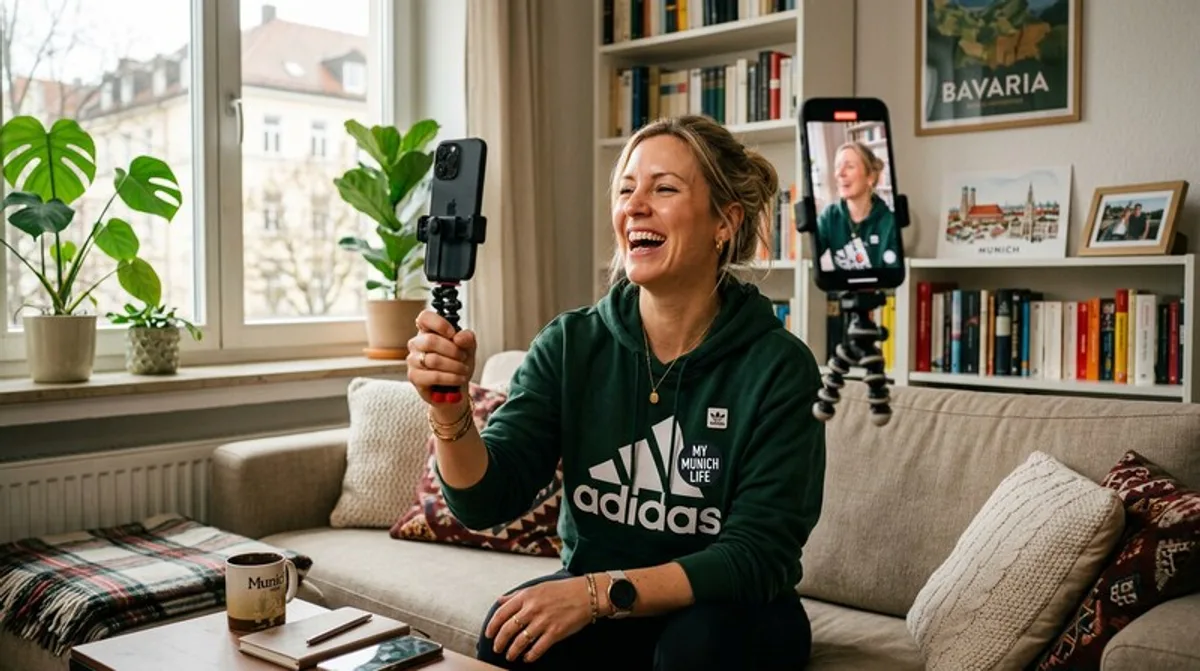
Influencer marketing campaigns fail for predictable, preventable reasons. Most brands make the same ten mistakes repeatedly — overpaying for follower counts that do not convert, ignoring usage rights until the invoice arrives, running one-off deals that never compound into brand equity, and measuring success with metrics that do not correlate with revenue. Understanding each mistake in detail — what goes wrong, the financial cost, and how to correct it — turns an expensive guessing game into a systematic process. Use our free influencer rate calculator to start with accurate pricing benchmarks before any of these mistakes can take hold.
Mistake 1: Pricing by Follower Count Instead of Engagement

What goes wrong: Brands pay rates based on follower tiers without verifying engagement quality. A creator with 500,000 followers and a 0.5% engagement rate delivers fewer real audience interactions per dollar than a creator with 80,000 followers and a 4.8% engagement rate. Follower count is a vanity metric that predicts reach ceiling — engagement rate predicts actual audience responsiveness, which is what generates conversions.
Cost impact: Brands that price purely by follower count routinely overpay by 40–200% on a cost-per-engagement basis. A macro creator at $25,000 with 0.6% engagement delivers 3,000 engagements at $8.33 per engagement. A micro creator at $3,500 with 4.5% engagement (50K followers) delivers 2,250 engagements at $1.56 per engagement. The micro creator is more than 5x more cost-efficient per engagement despite the significant rate difference.
How to fix it: Set a minimum engagement rate threshold before rate negotiation begins. Industry benchmarks: nano (1K–10K) should average 5–8%; micro (10K–100K) should average 3–6%; mid-tier (100K–500K) should average 1.5–3.5%; macro (500K–2M) should average 0.8–2%. Calculate cost-per-engagement for every quote and compare across candidates within a campaign before committing budget.
Mistake 2: No Exclusivity Clause — Or No Pricing for It
What goes wrong: Brands pay for an influencer partnership without specifying that the creator cannot promote a direct competitor during the campaign period. The creator posts your campaign on Monday and a competing brand's campaign on Thursday. Your brand equity message is immediately diluted. Alternatively, brands request exclusivity but do not account for it in the rate — and creators either push back or agree to an unpaid constraint that breeds resentment.
Cost impact: The direct cost of failing to address exclusivity is brand message dilution on paid-for campaigns — waste estimated at 20–40% of campaign value when direct competitor content appears within the exclusivity window. The cost of incorrectly pricing exclusivity is excess spend: 30-day category exclusivity should add 25–40% to base rates. 90-day exclusivity should add 50–100%. Missing this and paying full rate anyway means paying for exclusivity you did not get.
How to fix it: Every brand contract should define: (1) the exclusivity scope (category or direct competitor only); (2) the exclusivity period (30/60/90 days post-publication); (3) the exclusivity premium as a line item in the rate. Standard industry practice is 25–50% premium for 30-day category exclusivity. Define "competitive category" explicitly — a fitness creator posting for both a protein supplement brand and a meal prep service may or may not be in violation depending on the category definition in the contract.
Mistake 3: Ignoring Usage Rights
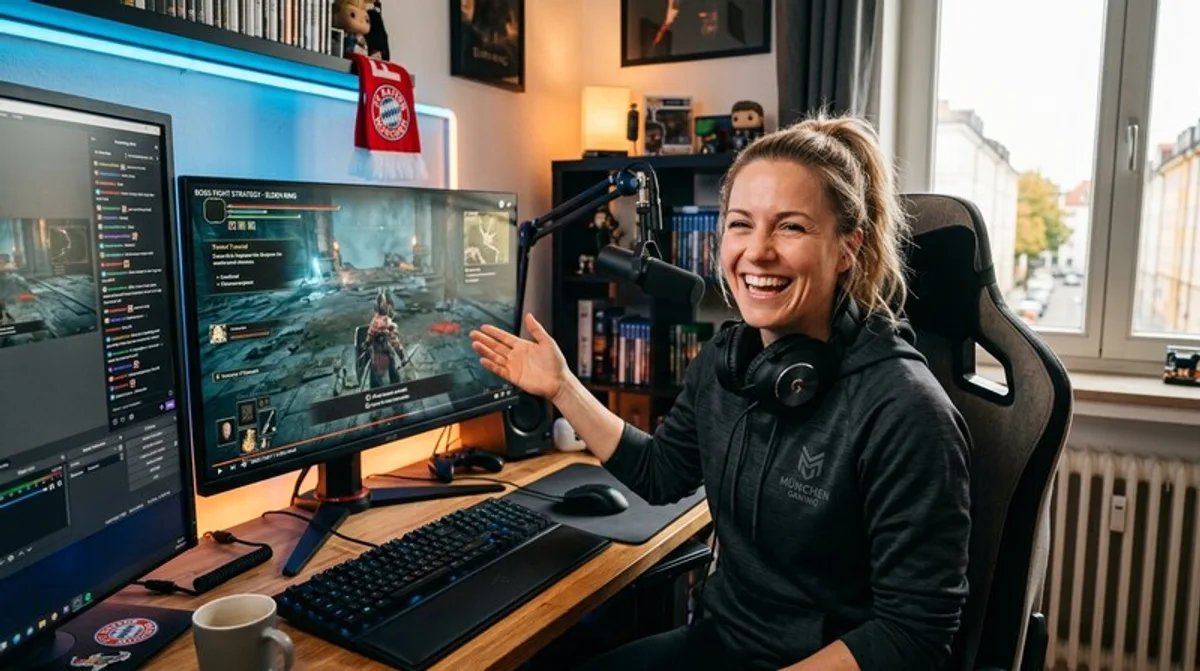
What goes wrong: Brands commission influencer content with no usage rights language and then repurpose the content in paid ads, on their website, in email campaigns, or in retail environments. The creator is legally entitled to additional compensation for each usage type and usage period beyond the original organic post. Many brands discover this reality after the fact — when the creator requests additional fees or issues a cease-and-desist for unauthorized content use.
Cost impact: Usage rights fees are typically 25–100%+ of the base creative fee per usage type per time period. A $5,000 brand deal with no usage rights language becomes a $7,500–$10,000+ invoice when the brand wants to run the content as a paid social ad for six months. For brands running influencer content in paid ads at scale, unplanned usage rights costs can add 50–150% to campaign costs versus negotiating rights upfront.
How to fix it: Negotiate and price usage rights in the original contract. Standard usage rights premiums: organic social only (base rate); website and owned channels (+15–25%); paid social ads 30 days (+25–40%); paid social ads 90 days (+40–75%); paid social ads 12 months (+75–150%); TV or out-of-home (+100–200%+). Bundle the full rights package you need at the time of deal signing. Retroactive usage rights negotiation is always more expensive than upfront negotiation.
Mistake 4: No Content Approval Process
What goes wrong: Brands provide a vague brief or no brief at all, creators produce content based on their interpretation, and the result does not align with brand guidelines, messaging requirements, or legal compliance needs. The content goes live without brand review, or worse, a brand tries to exercise heavy post-production approval rights that were not in the contract — creating creator friction and delayed publication.
Cost impact: Reshoots and content revisions after publication cost 1.5–3x the original creative fee in total campaign time and potential relationship damage. Legal compliance failures (undisclosed paid partnerships, misleading product claims) carry FTC fine exposure of up to $50,000 per violation for brands. Brand-misaligned content that goes viral in the wrong direction generates negative brand value that can exceed campaign costs entirely.
How to fix it: Every campaign should specify in the contract: (1) the right to one round of draft review before publication; (2) the brand's maximum revision scope (factual corrections and legal compliance, not creative rewriting); (3) the approval timeline (brands should respond within 48–72 hours or approval is deemed granted). Do not over-script content — creator authenticity is why you hired them. Review for legal compliance and factual accuracy, not brand voice control.
Mistake 5: Single-Platform Dependency
What goes wrong: Brands build influencer programs entirely on one platform. When that platform's algorithm changes, the brand gets demonetized, or regulatory risk materializes (as with TikTok in the US), the entire creator marketing operation is exposed. This has happened to brands whose entire influencer strategy was built on Instagram Stories in 2018, on TikTok in 2023–2024 during regulatory uncertainty, and on Facebook organic reach after the 2018 algorithm changes.
Cost impact: Platform disruption forces rapid strategy rebuilding — finding new creators on alternative platforms, re-educating teams on new platform norms, losing accumulated audience relationships. Brands that had to rebuild from Instagram to TikTok between 2020–2022 spent an estimated 30–50% of their prior year influencer budgets on transition costs alone.
How to fix it: Maintain creator relationships across at least three platforms relevant to your category. Most brands should have primary spend on one platform and tested, relationship-active programs on at least two others. For DTC consumer brands: TikTok primary, Instagram secondary, YouTube tertiary is the 2025 standard configuration. Brief all creators to cross-post to their secondary platforms when content is relevant — this builds multi-platform relationship at no additional cost.
Mistake 6: Ignoring Micro and Nano Creators
What goes wrong: Brands over-allocate budget to macro and mega creators for brand awareness while under-utilizing micro and nano creators for conversion. Macro creators generate reach and awareness efficiently. Micro and nano creators generate trust, authenticity, and purchase conversion more efficiently — but require more management per dollar spent. Brands that ignore the micro tier miss the highest conversion efficiency segment of the creator ecosystem.
Cost impact: Micro creator campaigns consistently report 3–7x higher engagement rates and 2–4x higher conversion rates per dollar spent compared to macro creator campaigns in the same category. A brand spending $100,000 on one macro creator deal may generate fewer direct conversions than a brand spending the same $100,000 across 50–100 micro creators — particularly for considered purchases where authentic peer recommendation drives the final decision.
How to fix it: Allocate 30–50% of influencer budget to micro and nano tiers for conversion-focused campaigns, reserving macro and mega for brand awareness and reach goals. Use a creator platform (Grin, AspireIQ, Collabstr) to manage micro creator pools efficiently at scale. Track conversion separately by tier — the data will typically confirm that micro creators generate better cost-per-conversion even with higher management overhead.
Mistake 7: No Performance Measurement Framework
What goes wrong: Brands run influencer campaigns and measure success by likes and follower count. No UTM tracking, no unique promo codes, no pixel attribution, no sales lift measurement. After the campaign, the brand cannot answer whether the influencer spend generated any revenue — and ends up renewing or canceling relationships based on gut feeling rather than data.
Cost impact: Without measurement, underperforming creators stay in the roster and top performers are not identified for increased investment. Research suggests that the top 20% of creators in a typical brand's roster generate 60–80% of measurable conversions. Brands without tracking cannot identify this top-performing segment and capture the full value of reinvesting in proven converters.
How to fix it: Every influencer campaign needs three tracking mechanisms: (1) unique UTM parameters per creator, per post, per platform; (2) unique discount codes or affiliate links for creators in purchase-intent content; (3) audience overlap analysis to measure brand awareness lift. For TikTok campaigns with TikTok Shop integration, Shop analytics provide direct sale attribution. For off-platform tracking, post-purchase surveys asking "How did you hear about us?" consistently capture influencer attribution that pixel tracking misses due to cross-device behavior.
Mistake 8: No Brief or Over-Scripted Brief
What goes wrong: One of two failure modes: brands provide no creative brief at all (creators produce content that has no relationship to campaign goals); or brands provide a script with required dialogue, precise camera angles, mandated hashtags, and rigid talking points (creators produce robotic content that audiences recognize as corporate, generating low engagement and no trust signals). Both extremes destroy campaign value.
Cost impact: Over-scripted content typically generates 40–70% lower engagement rates than authentically-voiced creator content in the same category. If you pay $8,000 for a dedicated video that generates 0.3% engagement instead of a typical 2.5%, you have paid for the reach but not the engagement — the primary value driver. No-brief campaigns result in off-message content that may require reshoot fees or simply fail to move any brand metrics at all.
How to fix it: The ideal brief is 1–2 pages covering: brand and product background (2–3 sentences); campaign goal (awareness, consideration, or conversion); required inclusions (FTC disclosure language, specific product feature to mention, link or promo code); content restrictions (competitor mentions, prohibited claims); tone guidance (professional but conversational, not clinical); and content examples from well-performing past campaigns. What the brief should not include: scripts, required phrases, or dictation of the creator's voice. Trust the creator's editorial judgment on presentation — that is why you hired them.
Mistake 9: One-Off Deals Instead of Building Relationships
What goes wrong: Brands treat every creator deal as a transactional one-off — brief, post, pay, done. No ongoing relationship, no ambassador structure, no multi-campaign continuity. This approach perpetually resets the trust-building process. Audiences know when a creator has used a product for six months versus when they received a product last week — repeated authentic endorsement over time builds purchase intent; single-post mentions often do not.
Cost impact: Acquisition-only creator relationships are 30–50% more expensive on a cost-per-converted-customer basis compared to long-term ambassador relationships with the same creators. Long-term ambassador deals typically come with rate discounts of 15–25% per post (creators value guaranteed income stream) while generating compounding audience familiarity with the brand that drives conversion without incremental per-impression cost.
How to fix it: Identify the top 10–20% of creators by conversion performance in your program after the first campaign. Approach those creators with 3–6 month ambassador structures — guaranteed number of posts per month, exclusive category arrangements, and a consistent presence in their content calendar. Structure contracts with performance clauses that bonus top performers and provide exit options if performance drops significantly. Even a small ambassador program of 5–10 proven creators delivering consistent monthly content outperforms 50 one-off campaign deals in brand equity terms.
Mistake 10: Not Tracking Attribution
What goes wrong: Brands that run influencer campaigns alongside paid social, email, and other digital channels fail to implement separate tracking for each channel. Influencer-driven traffic gets lumped into "direct" or "social" in Google Analytics. Sales influenced by influencer content get attributed to last-click paid ads. The influencer program appears underperforming by every metric, budget gets cut, and the brand loses access to a high-performing channel based on measurement failure rather than actual performance.
Cost impact: Misattribution of influencer-driven sales leads to systematic undervaluation of influencer ROI and budget allocation errors. Studies of multi-touch attribution models consistently show that influencer content plays a significant role in purchase journeys that complete through other channels — eliminating influencer spend based on last-click attribution data typically results in 15–35% drops in total conversion volume as the top-of-funnel channel is removed.
How to fix it: Implement multi-touch attribution that gives credit to influencer content for assists, not just last-click conversions. Use UTM parameters consistently and analyze the conversion paths that include influencer touchpoints — not just the final touchpoint. Post-purchase surveys ("How did you first hear about us?") consistently identify influencer as a first-touch attribution source that pixels cannot capture. Build a custom influencer attribution dashboard combining UTM data, promo code redemptions, and survey responses to build the most accurate picture of influencer campaign value.
For rate tables across all tiers, formats and platforms, see our influencer marketing pricing guides.
| Mistake | Cost Impact | Priority Fix |
|---|---|---|
| Pricing by follower count | 40–200% overpay on CPE | Engagement rate minimum threshold before budgeting |
| No exclusivity pricing | 25–100% rate premium missed | Add exclusivity clause and line-item rate to every contract |
| Ignoring usage rights | 50–150% cost overrun post-deal | Bundle all needed rights in original contract |
| No content approval process | 1.5–3x creative costs in revisions | One-round review right in every contract |
| Single-platform dependency | 30–50% rebuild cost on disruption | Maintain 3-platform creator relationships |
| Ignoring micro creators | 2–4x higher CPConversion missed | 30–50% budget to micro/nano tier |
| No performance measurement | 60–80% of budget misallocated | UTM + promo code + survey for every campaign |
| Wrong brief approach | 40–70% lower engagement | 1–2 page goal-focused brief, no scripts |
| One-off deals only | 30–50% higher CPA | Ambassador structures for top converters |
| No attribution tracking | 15–35% conversion loss on budget cuts | Multi-touch attribution + post-purchase surveys |
Frequently Asked Questions
Get the market rate for any creator — free
Enter followers, niche, and content type. Get an instant benchmark with CPM equivalent and fair/high/low verdict.
Open Rate Calculator →