



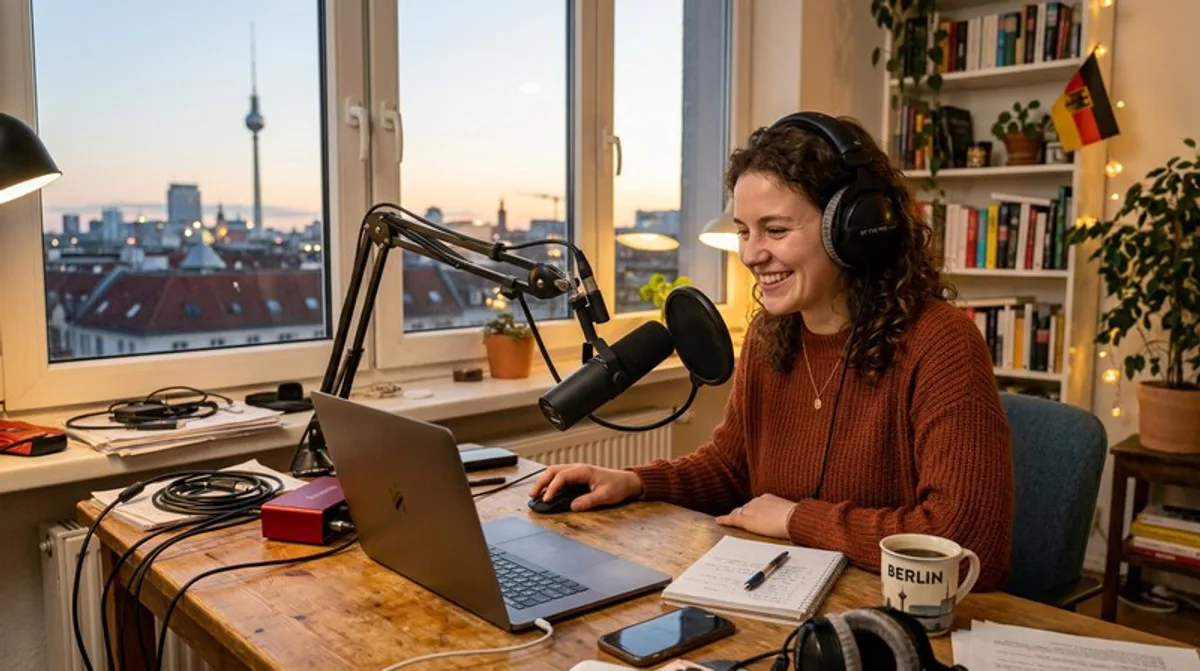


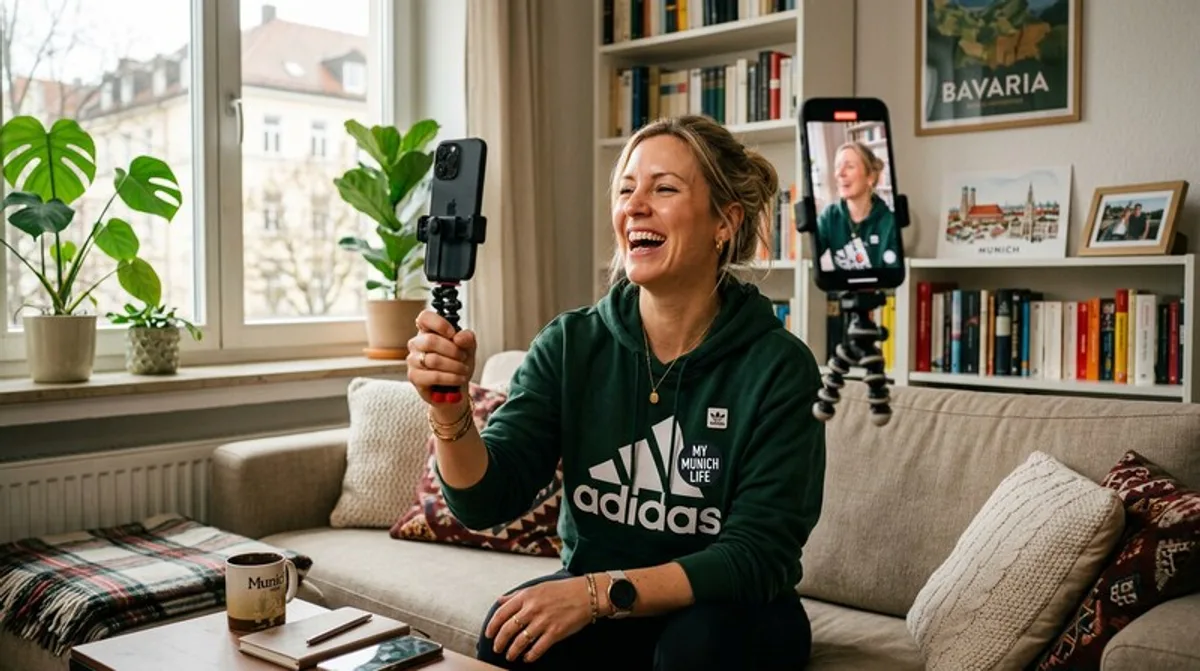
Restaurant influencer deals are almost entirely gifting-based at the nano and micro tier — the gifted meal is the currency, and for local food creators with under 25,000 local followers, a $100–$180 dining experience generates genuine content without a single dollar of cash changing hands. The interesting question for restaurant operators is not whether gifting works at that tier (it does), but when the math requires a cash deal instead. That threshold is driven by one variable: the creator's local follower concentration relative to the restaurant's average cover value. A restaurant with a $65 average check size needs a local creator to drive roughly 5–10 covers to break even on a $350 cash deal — a calculation that changes entirely at a $180 per-person tasting menu, where a single table books the deal to profit. Understanding this AOV math determines whether a restaurant should run gifting programs, cash campaigns, or both, and at what creator tier the transition makes sense. This guide breaks down the deal structure decision tree, rate benchmarks, and the gifting-to-cash threshold by restaurant type.
The Gifting-to-Cash Threshold: When a Free Meal Is Not Enough

The gifting-only model works because the economics are right at the nano tier. A local food creator with 8,000 followers, 65% of whom are in your city, receives a $130 dinner experience and posts three Stories and a Reel to their local-concentrated audience. The restaurant's cost is $130 in food and labor. The content reaches approximately 5,200 highly relevant local people. That is a $25 CPM — competitive with any paid local advertising channel, and the content has a shelf life of weeks rather than hours.
Related: Restaurant Influencer Marketing Cost: Local Food Creator Pricing, Food Influencer Pricing 2026: Rates for Recipe, Restaurant & CPG Creator Deals
The model breaks down at higher creator tiers for one simple reason: creators with larger audiences have established content businesses, and a gifted meal that represents a fraction of their typical deal value is not sufficient compensation for their time, production effort, and audience access. A local food creator with 85,000 followers and 45% local concentration is still a highly valuable restaurant marketing partner — but they expect cash compensation, and the restaurant needs to calculate whether cash is justified.
The cash deal justification calculation starts with average cover value. A fast-casual restaurant with an $18 average check needs a creator post to drive 20 new customers just to cover a $360 creator fee — a high bar that requires confidence in both the creator's conversion rate and the post's attribution tracking. A fine dining restaurant with a $140 per-person average check needs only 3 new customers to cover the same fee. The cash deal makes economic sense much earlier in the follower-tier progression for premium and fine dining restaurants than it does for casual dining, which is why you see fine dining operators running cash deals with mid-tier creators (100K–300K local reach) while most casual dining operators stay almost entirely in the gifting tier.
Why Restaurant Influencer Marketing Has Different Economics from Every Other Category
- Geography is everything: The most important variable in restaurant creator selection is audience location, not follower count. A 10,000-follower food creator with 60% Austin-based audience is worth more for an Austin restaurant than a 200,000-follower food creator with 5% Austin audience.
- The experience is the product: Restaurant influencer marketing sells the dining experience through aspirational content — beautiful food photography, atmosphere, and service quality communicated through creator storytelling. The content quality and aesthetic has to represent the restaurant accurately.
- Attribution is harder: Unlike e-commerce, restaurant table reservations and walk-ins are partially attributable (reservation links, asking "how did you hear about us?") but never fully captured. Restaurant influencer ROI requires more qualitative assessment than digital product sales.
- Local creator ecosystem is often untapped: Many restaurants overlook the local food creator ecosystem — food bloggers, local lifestyle creators, and local foodie communities that have significant geographic audience concentration but limited mainstream influencer recognition.
Restaurant Influencer Deal Structures: The Full Spectrum

Complimentary Meal for Content
The most common restaurant creator deal: the restaurant provides a complimentary meal for the creator and 1–2 guests in exchange for content coverage. Standard expectations for a complimentary meal deal at different creator tiers:
- Nano food creators (1K–10K local followers): complimentary meal ($60–$150 value), typically 1–3 Stories + 1 post
- Local micro creators (10K–50K local followers): complimentary meal + possible cash payment ($50–$300), 2–4 posts or Reels
- Regional/national food creators (50K+ followers): cash payment ($300–$3,000+) plus complimentary meal
Press Event / Soft Launch Coverage
Inviting 8–20 local creators to a private tasting event before or shortly after opening generates simultaneous multi-creator content wave during the most critical awareness period. Structure: free event access and full dining experience, creators post organically as they choose (no mandatory post requirement). Expected post rate: 60–80% from nano/micro local creators at a well-executed event. Total investment: food and beverage cost ($30–$70 per creator) plus event coordination.
Recurring Monthly Partnership
A local food creator visits monthly and creates content covering seasonal menu changes, specials, and new dishes. Retainer structure: $200–$1,500/month for micro creators, including 2–4 posts per month. Maintains sustained audience exposure rather than a single post spike. Best for restaurants with significant seasonal menu variation that benefits from ongoing content documentation.
Event and Special Occasion Coverage
Restaurant brands invite creators for specific events: new menu launches, holiday specials, chef's table experiences. Event-specific content generates novelty appeal that routine visits don't — "exclusive dinner with the executive chef" creates aspirational content that drive reservations from the creator's local audience.
Restaurant Influencer Rate Benchmarks 2025
| Creator Type | Local Followers | Comp Meal + Post | Paid Instagram Reel | Paid TikTok Video |
|---|---|---|---|---|
| Local nano food | 1K – 10K (60%+ local) | $60–$150 meal value | $50 – $300 | $40 – $250 |
| Local micro food | 10K – 50K (50%+ local) | $100–$300 meal value | $200 – $1,200 | $150 – $1,000 |
| Regional food creator | 50K – 200K (30%+ local) | Meal + cash required | $600 – $4,000 | $400 – $3,000 |
| National food creator | 200K+ (often 10–20% local) | Meal + cash required | $2,000 – $20,000 | $1,500 – $15,000 |
Local nano and micro creators represent the highest ROI for most restaurants because they have highly concentrated local audiences at minimal cost. A $150 dinner generating 3 social media posts reaching 8,000 local food enthusiasts is excellent marketing ROI. Use our free calculator to estimate effective CPM for local creator campaigns.
How to Find Local Food Creators Before They Get Expensive
The most effective discovery methods for restaurant-relevant local creators:
For rate tables across all tiers, formats and platforms, see our influencer pricing by niche benchmarks.
- Hashtag research: Search [City] + food hashtags on Instagram and TikTok — #AustinFood, #NYCEats, #LondonFoodie. Filter by "Recent" to find active local creators.
- Competitor restaurant tags: Look at who has tagged nearby restaurants or similar dining concepts. These creators are self-identifying as food content creators in your market.
- Local foodie communities: Facebook groups, subreddits (r/FoodNYC), and local lifestyle blogs featuring food content. These communities identify local food creators before they have significant Instagram followings.
- Review platform profiles: Active Yelp Elite reviewers, Google Local Guides with photo contributions, and OpenTable reviewers often have connected social profiles with local food content.
Measuring Restaurant Influencer ROI: The Metrics That Actually Track Covers
- Reservation tracking: Unique OpenTable or Resy booking links tied to specific creator campaigns. Ask "how did you hear about us?" at reservation confirmation.
- Coupon or code attribution: Creator-specific promotion code ("CREATOR10 for 10% off") tracks direct visitor attribution without requiring customers to remember the source.
- Google Maps performance: Monitor Google Business Profile searches, website clicks, and direction requests in the week following major creator posts. Food creator posts consistently spike Google Maps visibility for tagged restaurants.
- Instagram mentions and saves: Content about your restaurant that generates saves indicates audience intent to visit. High save rates on restaurant content are a strong predictor of future visit conversion.
Frequently Asked Questions
Get the market rate for any creator — free
Enter followers, niche, and content type. Get an instant benchmark with CPM equivalent and fair/high/low verdict.
Open Rate Calculator →