






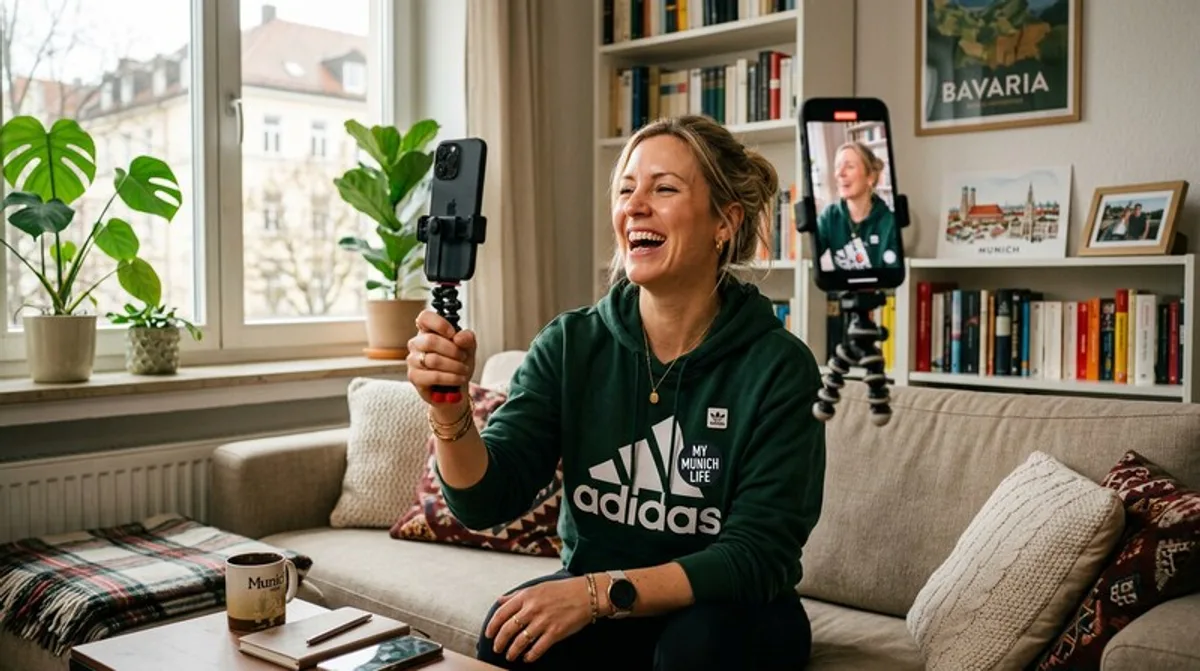
E-commerce and direct-to-consumer (DTC) brands have become among the most active and sophisticated buyers of influencer marketing — and for measurable reasons. The combination of trackable attribution (affiliate links, promo codes, UTM parameters), product-gifting economics, and the natural fit between creator content formats and product discovery makes influencer marketing exceptionally well-suited to e-commerce business models. Understanding what e-commerce influencer campaigns cost, how DTC brands structure deals to maximize attribution, and which creator profiles deliver the strongest ROI gives online retailers a framework for building programs that drive actual sales.
E-Commerce Influencer Marketing Pricing by Tier
| Creator Tier | Followers | Instagram Reel | TikTok Video | YouTube Review |
|---|---|---|---|---|
| Nano | 1K – 10K | $50 – $400 | $50 – $350 | Product-gifting only |
| Micro | 10K – 100K | $400 – $4,000 | $300 – $3,000 | $500 – $5,000 |
| Mid-tier | 100K – 500K | $3,000 – $20,000 | $2,000 – $15,000 | $4,000 – $35,000 |
| Macro | 500K – 2M | $15,000 – $75,000 | $10,000 – $60,000 | $25,000 – $150,000 |
E-commerce brands typically blend product gifting (for nano and some micro creators) with paid fees (for mid-tier and above). The product-gifting-only model works at the nano tier because the content value to the brand is comparable to the product cost, and authentic user-generated content from genuine customers is valuable for social proof. Use our free calculator to estimate campaign costs by platform and creator tier.
DTC Brand Deal Structures That Work
TikTok Shop Affiliate Model
The most cost-efficient e-commerce influencer deal structure in 2026: activate 50–200 nano and micro creators in your product category as TikTok Shop affiliates. Creators receive free product, post authentic reviews, and earn 5–20% commission on sales their content generates. Brand cost: product COGS + commission on actual sales. This model generates authentic content at scale, builds a database of creator performance data (which creators convert for your product), and creates a self-funding creator network where you only pay meaningful fees to creators who prove conversion performance. Nano and micro TikTok Shop affiliates are the entry point; flat-fee deals with the top performers follow.
Promo Code + Flat Fee Hybrid
For Instagram and YouTube deals, the standard e-commerce structure is a flat fee (80–90% of standard rate) plus a unique promo code the creator mentions in content (e.g., "use code CREATOR15 for 15% off"). The promo code serves dual purposes: audience discount incentive (driving conversion) and attribution mechanism (brand tracks exactly how many sales each creator drives). This structure is preferred over pure flat-fee for e-commerce because it provides the conversion data brands need to identify which creators to reinvest in and which not to renew.
LTK and ShopMy Integration
LikeToKnow.it (LTK) and ShopMy are creator shopping platforms where creators curate product links with affiliate commission structures. For e-commerce brands, LTK creator partnerships offer established infrastructure for affiliate product promotion with built-in shopping feeds, commission tracking, and a creator community already primed for product-discovery content. LTK creators charge 30–50% below equivalent Instagram rates for LTK-specific content but often generate stronger attributable sales because the platform is designed for direct purchase attribution.
Calculating E-Commerce Influencer ROAS

Return on Ad Spend (ROAS) is the primary metric for e-commerce influencer campaigns. Calculate it as: ROAS = Tracked Revenue ÷ Campaign Cost. A 3× ROAS (generating $3 for every $1 spent) is a viable baseline; 5× or above is strong performance. Critically, tracked revenue from promo codes and affiliate links systematically undercounts total impact — many buyers see creator content, purchase later without the code, and never appear in direct attribution. Actual ROAS is typically 1.5–2× measured ROAS for well-run campaigns with proper lift measurement. Brands that only track direct promo code ROAS will chronically undervalue influencer campaigns compared to channels with cleaner last-click attribution.
Product Gifting Strategy for E-Commerce
Product gifting (sending free products to creators in exchange for organic content) is distinct from paid sponsorship and follows different rules. Gifted content must still be disclosed (#gifted or #ad in many jurisdictions), but creators aren't contractually obligated to post. A gifting program works best when: products genuinely impress creators in your niche, packaging and unboxing experience creates visual content worth sharing, and you're targeting nano and micro creators who value free product as meaningful compensation. A well-executed gifting program generating 20–40 authentic posts from genuinely happy customers can cost $1,000–$5,000 in product and create content that would cost $20,000–$60,000 in paid sponsorships.
E-Commerce Creator Selection Criteria
For e-commerce brands, creator selection criteria beyond standard engagement metrics include: demonstrated purchase-driving behavior (do they use affiliate links? do their followers buy?), content style alignment with your brand aesthetic, audience demographic match with your customer profile, and history of authentic product promotion versus mass-volume paid promotion. Creators who post 10+ sponsored products per week have diluted audience trust regardless of follower count. Creators who integrate 2–3 relevant product recommendations into otherwise original content maintain trust that translates to conversion.
For rate tables across all tiers, formats and platforms, see our influencer pricing by niche benchmarks.
Frequently Asked Questions
For broader influencer marketing ROI frameworks, see our how to calculate influencer ROI guide. For TikTok-specific e-commerce pricing, see our TikTok influencer pricing guide. Build your e-commerce influencer campaign budget with our free calculator.
Get the market rate for any creator — free
Enter followers, niche, and content type. Get an instant benchmark with CPM equivalent and fair/high/low verdict.
Open Rate Calculator →