Who Is Beyoncé?
Beyoncé Giselle Knowles-Carter is the most commercially and critically decorated female artist in Grammy history — 32 Grammy Awards as of 2024, more than any artist of any gender in the award's history — and the architect of a social media strategy that operates on the exact opposite principle from every other celebrity at her scale. Where most major artists post multiple times daily, Beyoncé posts rarely, without caption, without announcement, and without advance notice. Each post becomes a cultural event precisely because of its scarcity. That principle — that social media attention is worth more when deliberately rationed — has made her Instagram one of the most-analyzed accounts in the history of the platform, and her brand partnerships among the most expensive individual placements any advertiser has ever purchased.[1]
Latest videos · Open channel ↗
The Ivy Park x Adidas partnership, which generated $93 million in its first product drop in 2020, is the case study for what cultural authority converts to in consumer goods. The surprise album drop strategy — pioneered with the unannounced release of "Beyoncé" on iTunes in December 2013 — redefined how major artists release music and has been credited with changing industry practices at labels that had nothing to do with her directly.
Early Life & Destiny's Child
Beyoncé Giselle Knowles was born on September 4, 1981, in Houston, Texas. Her father Mathew Knowles became her manager and eventually the manager of Destiny's Child, the group he assembled around her in 1990. She showed performance ability early enough to win a talent show at age seven with a rendition of John Lennon's "Imagine" — a performance frequently cited in retrospective coverage as the earliest documented evidence of what would become one of the most technically accomplished live performance careers in pop history.[2]
Destiny's Child — Beyoncé, Kelly Rowland, and Michelle Williams in its final lineup — became the best-selling girl group of all time with over 60 million records sold. The group's commercial peak (1999–2004) established Beyoncé's brand identity: vocal power, dance performance quality, and an unapologetic ambition that translated into a solo career far more commercially successful than most group-to-solo transitions in pop history.
Solo Career & the Surprise Drop Strategy
Her 2013 self-titled visual album — released on iTunes at midnight without any advance announcement, marketing campaign, or single — generated 828,773 sales in its first three days globally and permanently altered how the music industry thought about album releases. The strategy worked because she had the cultural authority to make the absence of promotion itself the story. Every major artist who has since released an album without traditional rollout has cited Beyoncé's 2013 strategy as the proof of concept.[3]
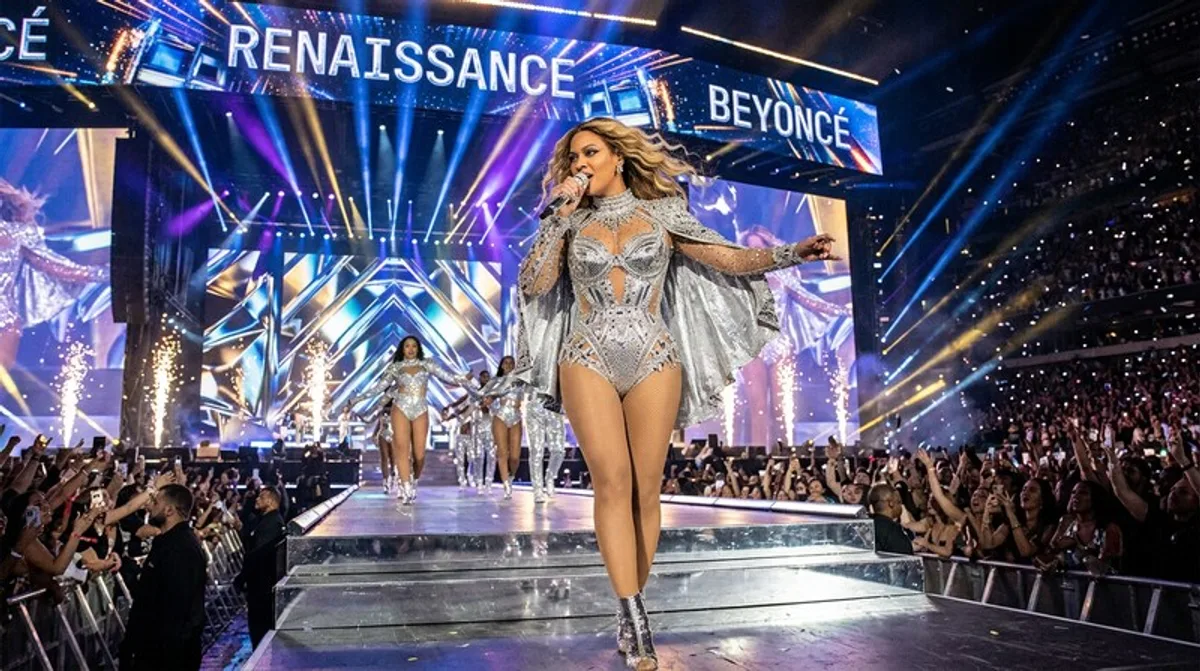
Lemonade (2016) — simultaneously a visual album, an HBO film, and a commercial product launch — raised the production ambition further and won the Peabody Award. Renaissance (2022) generated the highest-grossing tour by a Black artist in history. Cowboy Carter (2024), her country music album, debuted at number one and became the first album by a Black woman to top the Billboard country albums chart.
Career Timeline
Ivy Park & Business Ventures
Ivy Park launched as a collaboration with Topshop in 2016 before Beyoncé bought out her partner following Topshop founder Philip Green's sexual harassment scandal. The relaunched Ivy Park x Adidas partnership in 2020 generated $93 million in its first product drop — a figure that placed it among the most successful celebrity-athletic brand partnerships in history. Beyoncé's equity stake in the partnership, rather than a flat fee deal structure, means she benefits from the brand's long-term commercial performance rather than a one-time placement payment.[4]
Brand Deals & Cultural Authority Premium
Beyoncé's brand deals are among the most expensive individual celebrity placements documented: Pepsi ($50 million, 2013), H&M (2013), L'Oréal (long-term), and Tiffany & Co. (2021). The Tiffany campaign — featuring "Moon River" — was notable for the commercial trust it required: a heritage luxury brand commissioned content where Beyoncé's creative direction was the product, not a standard ambassador arrangement. Her estimated Instagram post rate exceeds $2 million, but the scarcity of her posts means the effective CPM per placement is orders of magnitude above that figure. For context on celebrity rates at the top tier, see our YouTube influencer pricing guide.
The principle her commercial career demonstrates is that cultural authority and platform reach are different variables — and that cultural authority commands a premium that follower count alone cannot explain. How brand deals are structured at this level, and how her rates compare to other celebrity accounts, is covered in our celebrity influencer pricing breakdown.
Related Creators
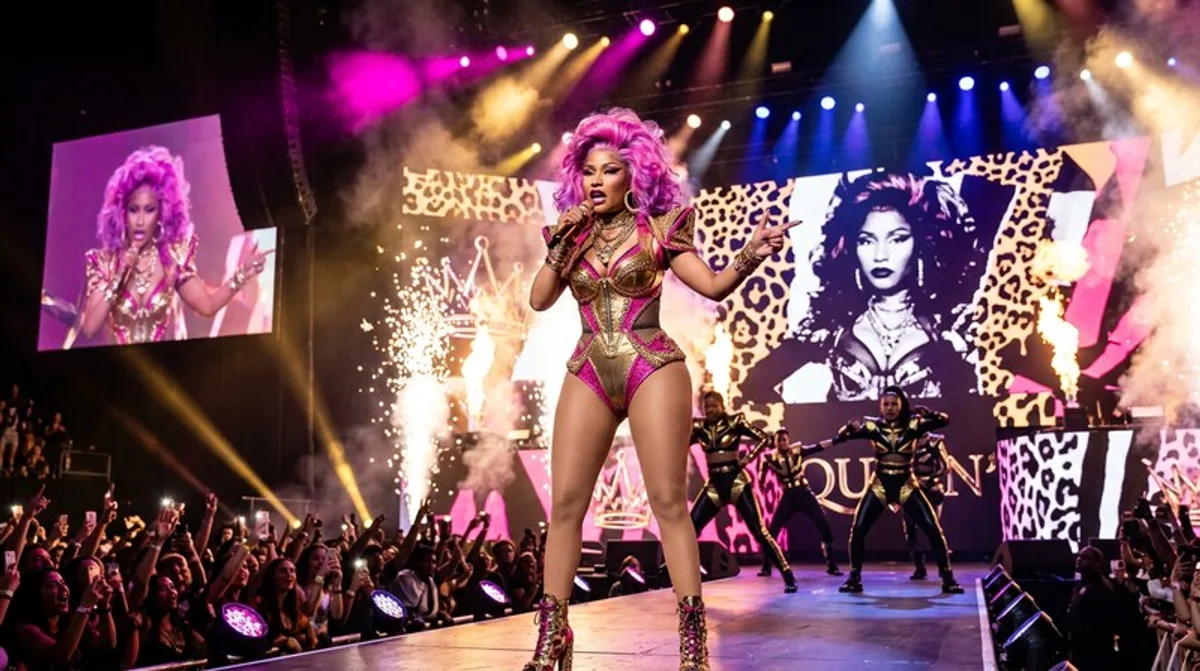
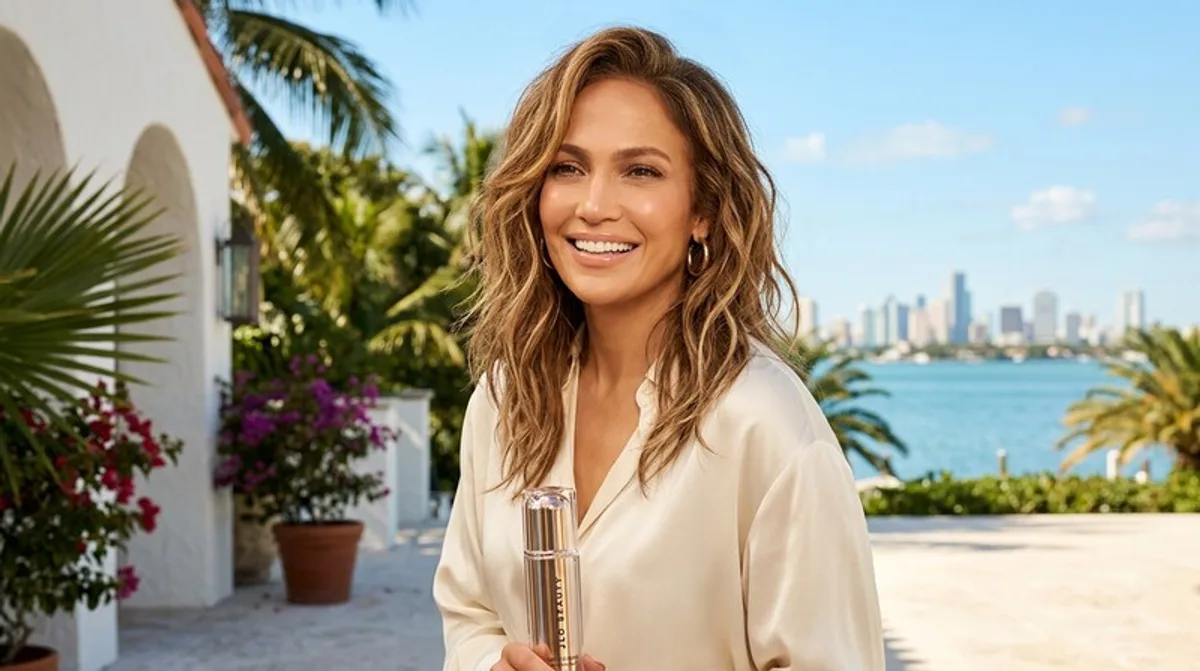
Ariana Grande is the closest contemporary in terms of sustained vocal-quality-as-brand-foundation and the trajectory toward multiple chart-topping albums — a career arc that references Beyoncé's own path from teen pop to critically respected artist. Nicki Minaj collaborated on "Feeling Myself" and represents the hip-hop-adjacent space that Beyoncé has navigated across multiple albums. Jennifer Lopez represents the multi-decade entertainment career built across music, acting, and business simultaneously — the closest structural comparison for longevity, though the creative critical reception has differed significantly.
Sources
- 1 The New York Times — Beyoncé and the Art of the Rare Post (2021)
- 2 Rolling Stone — Beyoncé: The Complete Story (2022)
- 3 Billboard — How Beyoncé's Surprise Album Changed Everything (2013)
- 4 Forbes — Ivy Park x Adidas: Inside the $93 Million Launch (2020)
Platform Statistics
Channel Growth History
| Year | YouTube Subscribers | Monthly Views | Est. Annual Earnings |
|---|---|---|---|
| 2026 | 0 | 0 | $24.0M – $96.0M |
| 2022 | 0 | 0 | $24.0M – $84.0M |
| 2019 | 0 | 0 | $12.0M – $42.0M |
| 2014 | 0 | 0 | $2.4M – $7.2M |
Data sourced from Social Blade & public estimates. Updated annually.
Estimated Sponsorship Rates
Market estimates — actual rates vary by deal structure & exclusivity
Brand Deals & Sponsorships
| Brand | Year | Deal Type | Source |
|---|---|---|---|
| Ivy Park x Adidas | 2020 | Founder / Co-Design | Press Release |
| Pepsi | 2012 | Brand Ambassador | Press Release |
| L'Oreal | 2001 | Long-term Ambassador | Press Release |
Frequently Asked Questions
Beyoncé's real name is Beyoncé Giselle Knowles-Carter.
Beyoncé was born on September 4, 1981, and is 45 years old as of 2026.
Beyoncé's net worth is estimated at $540 million, based on platform ad revenue, brand partnerships, merchandise, and business ventures. This is an estimate — exact figures are not publicly disclosed.
Beyoncé is American, born in Houston, Texas, USA.
Beyoncé — Official Social Media & Links
All accounts below are the verified official profiles for Beyoncé. Follower counts are approximate and updated periodically.
Sponsorship Rates & Booking
- Youtube: 24M followers
- Instagram: 305M followers
- Tiktok: 8.5M followers
- Twitter: 15M followers